-
Shop
- Advanced Technologies
- AI Skills for Creators & Freelancers
- AI Client Management
- AI Ethics
- AI Mindset
- AI Tools & Prompts
- AI Writing & Content Creation
- Audio, Voice & Music
- Design & Visual Creation
- Email, Messaging & Communication
- Freelancing & Business
- Marketing, Ads & Conversion
- Productivity, Workflow & Automation
- SEO & Search Optimization
- Social Media Content & Growth
- Strategy, Planning & Analytics
- Video Creation & Editing
- AI Skills Mastery 2026 Collection
- Bathroom
- Best-Sellers
- Car Accessories
- Confidence
- Dating & Social Skills
- Digital Resources
- Easter Products
- Education & Learning
- Family & Parenting
- Fashion
- Fashion Accessories
- Furniture
- Gadgets
- Health & Beauty
- Health & Wellness
- Home & Garden
- Home Electronics
- Home Supplies
- Jewelry
- Kids & Babies
- Kitchen
- Lighting
- Patio, Lawn & Garden
- Personal Growth
- Pet Care
- Pet Supplies
- Pets
- Shoes
- Smart Home Living Guides
- Sport & Outdoors
- Stress Relief & Relaxation
- Super Deals
- TikTok Growth & Monetization Mastery
- Travel
- Travel & Adventure
- Wealth
- Wellness
Waterproof Hard Shell Top Tube Triangle Bag (MTB/Road)
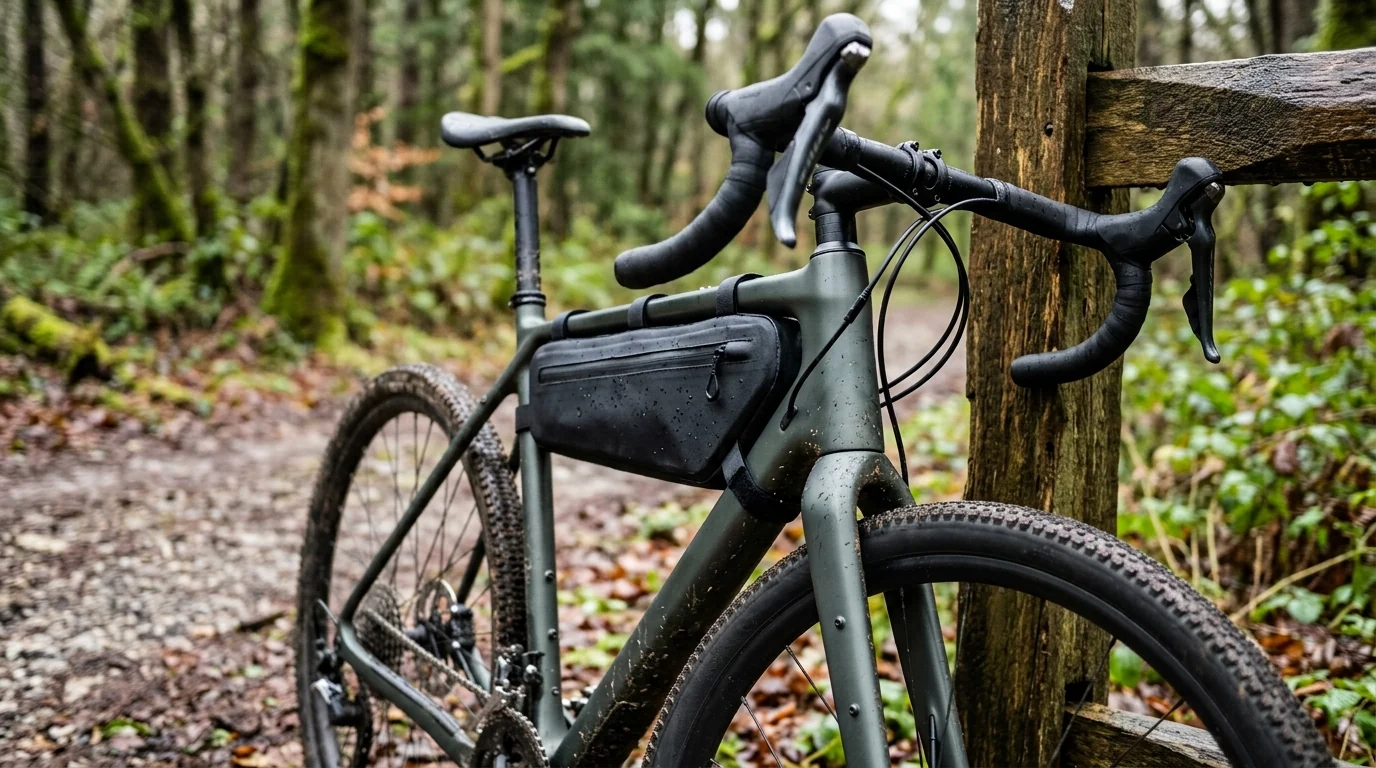
Waterproof Hard Shell Bike Top Tube Triangle Bag for MTB & Road Bikes
A top tube triangle bag keeps essentials close without crowding pockets or adding bulky racks. A hard shell design helps protect items from impacts and trail chatter, while waterproof construction is built for wet commutes, muddy singletrack, and unpredictable shoulder-season rides. This guide covers what the bag is best for, how it fits on different bikes, what to carry, and how to get the most durability from daily use. For more guidance, see Best Bike Frame Bags of 2026 – Treeline Review.
What a hard shell top tube triangle bag is good for
A hard shell top tube triangle bag is ideal when the goal is fast access without sacrificing bike handling. Positioned near the head tube, it’s easy to reach while stopped—and on steady sections of road or gravel—without the “stuffed jersey” feel.
- Quick-access storage for items that need to stay within reach: phone, snacks, mini pump, tire levers, CO₂, small multitool, keys, cash/cards.
- A structured shell helps prevent contents from being crushed and reduces bulging into the knees compared with soft pouches.
- Useful for both MTB and road setups where frame space is limited or where a full frame bag is unnecessary.
- Helps keep weight centered on the bike for stable handling versus stuffing jersey pockets or hanging weight from the bars.
Best uses by ride type
| Ride type | Typical conditions | What to store | Why it helps |
|---|---|---|---|
| Daily commute | Rain, road spray, frequent stops | Phone, wallet, keys, small lock cable | Keeps valuables dry and easy to grab at lights or parking |
| Weekend road ride | Mixed weather, higher speeds | Energy gels, mini tool, tube, CO₂ | Low-profile storage without jersey pocket overload |
| Trail MTB ride | Dust, vibration, occasional impacts | Multitool, tire plugs, quick link, snacks | Hard shell protects gear and stays stable on rough terrain |
| Gravel / bikepacking day trip | All-day exposure, variable terrain | Power bank, snacks, spares | Centralized storage for frequently used items |
Fit and compatibility on MTB and road bikes
Fit is mostly about clearance—both for your body and your bike’s control systems. Before committing to any top tube triangle bag, take a minute to check the “busy zone” around the head tube where housing, spacers, and knees can all compete for space.
- Measure the available triangle area at the top tube and head tube junction to confirm the bag won’t interfere with cables, headset spacers, or your knees when standing.
- Check strap or mounting positions so the bag can sit snug without pressing on brake/shift housing; light contact is usually fine but pinching can affect shifting or braking feel.
- On compact road frames, prioritize a slimmer profile to avoid thigh rub during out-of-saddle efforts.
- On full-suspension MTBs, ensure the bag does not contact moving linkages or rear shock hardware at any point in the travel.
If you’re unsure, a quick “bar-turn test” helps: turn the bars fully left and right and confirm nothing binds or rubs. It’s also smart to do a short driveway ride, standing and rocking the bike side-to-side, to confirm your knees track cleanly past the bag.
Weather protection and durability details that matter
Waterproof hard shell bags are built to resist rain and spray, but real-world durability depends on a few simple habits. A well-sealed closure is only as good as the grit and mud you keep out of it.
- Waterproofing works best when the shell material and zipper/closure system limit water ingress; keep the zipper path clean to maintain sealing performance.
- A rigid exterior helps shed spray and mud; wiping down after wet rides reduces grit that can abrade seams or zipper teeth over time.
- Look for firm attachment points and non-slip contact surfaces to prevent micro-movement that can scuff frame paint; protective frame tape under straps is a good idea.
- Impact resistance is valuable when the bike tips over or brushes obstacles; hard shell construction helps prevent punctures compared with thin fabric bags.
For routine safety and reliability, basic bike checks pair well with daily bag use—especially if you ride in rough weather. Sheldon Brown’s overview of bicycle daily checks and maintenance basics is a solid reference. For wet-road considerations, British Cycling’s guide to riding in the rain covers practical equipment and safety notes.
How to pack it for stability and fast access
A top tube bag sits close to the steering axis, so smart packing keeps handling predictable. The best approach is “dense items anchored, light items layered,” with a little extra attention to rattle control.
Setup tips for a clean install
A practical option for wet rides and mixed terrain
If you’re ready to add compact, weather-ready storage to your cockpit area, see the current details here: Waterproof Hard Shell Bike Top Tube Triangle Bag for MTB & Road Bikes.
FAQ
Will a top tube triangle bag fit on any MTB or road bike?
Most do, but fit depends on frame size, top tube shape, cable routing, and the open space near the head tube. Measure the mounting area, confirm full handlebar-turn clearance, and check for knee rub when pedaling out of the saddle.
How waterproof are hard shell bike bags in real rain?
Waterproof materials and well-designed closures can handle rain and road spray, but performance depends on zipper sealing and proper closure. Keeping the zipper path clean improves sealing, and a small inner pouch adds extra protection for electronics.
Can a frame bag damage paint or carbon frames?
Yes—grit trapped under straps can scuff paint or dull clear coat over time. Clean contact points, apply protective frame tape, and keep straps snug to reduce movement and rubbing.
Recommended for you


Was this article helpful?
Yes
No









Leave a comment