-
Shop
- Advanced Technologies
- AI Skills for Creators & Freelancers
- AI Client Management
- AI Ethics
- AI Mindset
- AI Tools & Prompts
- AI Writing & Content Creation
- Audio, Voice & Music
- Design & Visual Creation
- Email, Messaging & Communication
- Freelancing & Business
- Marketing, Ads & Conversion
- Productivity, Workflow & Automation
- SEO & Search Optimization
- Social Media Content & Growth
- Strategy, Planning & Analytics
- Video Creation & Editing
- AI Skills Mastery 2026 Collection
- Bathroom
- Best-Sellers
- Car Accessories
- Confidence
- Dating & Social Skills
- Digital Resources
- Easter Products
- Education & Learning
- Family & Parenting
- Fashion
- Fashion Accessories
- Furniture
- Gadgets
- Health & Beauty
- Health & Wellness
- Home & Garden
- Home Electronics
- Home Supplies
- Jewelry
- Kids & Babies
- Kitchen
- Lighting
- Patio, Lawn & Garden
- Personal Growth
- Pet Care
- Pet Supplies
- Pets
- Shoes
- Smart Home Living Guides
- Sport & Outdoors
- Stress Relief & Relaxation
- Super Deals
- TikTok Growth & Monetization Mastery
- Travel
- Travel & Adventure
- Wealth
- Wellness
Low-Maintenance Pets for Busy Beginners: Real Care Needs
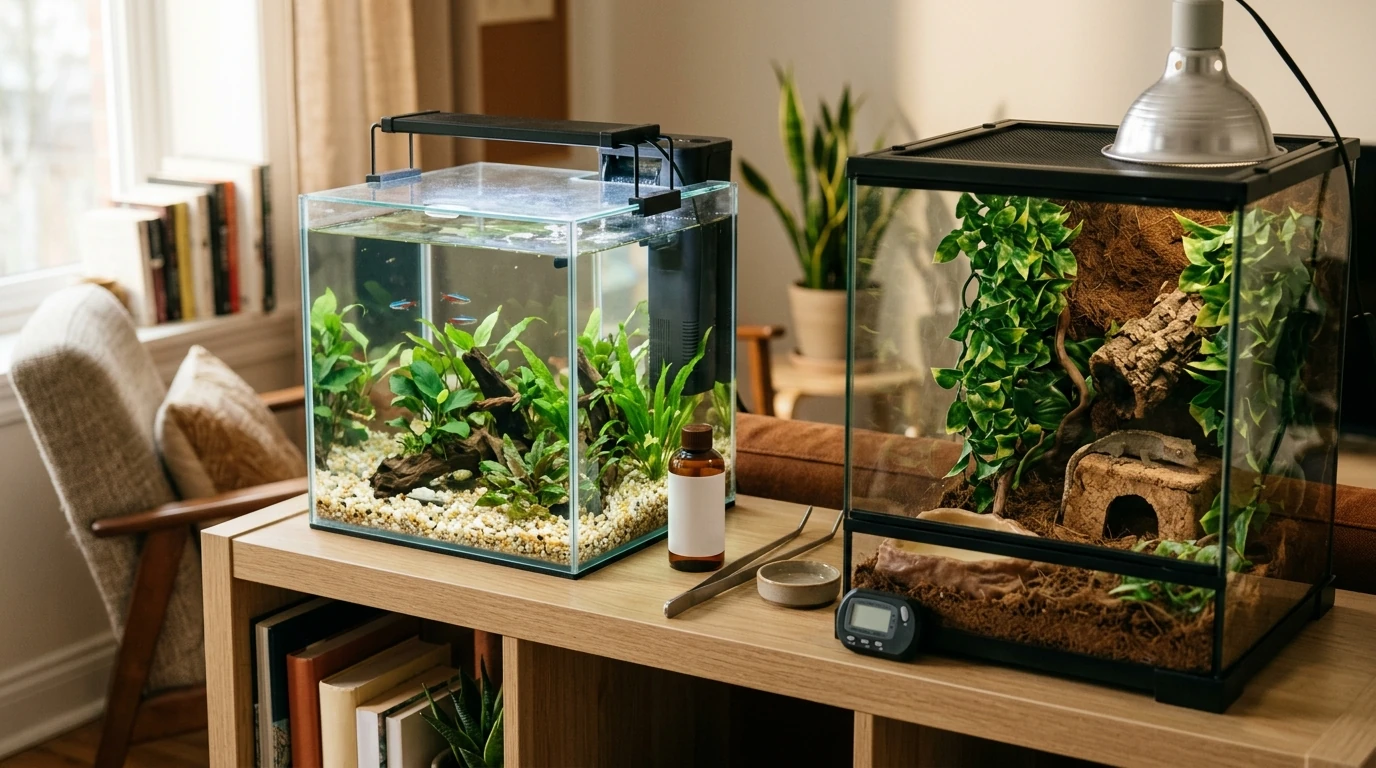
Low-Maintenance Pets for Busy Beginners: A Practical Guide to Easier Pet Care
Some pets fit into a packed schedule better than others—but “low maintenance” never means “no care.” The goal is to pick an animal whose daily routine matches your time, space, and comfort level, then set up the habitat so upkeep stays predictable. Below is a realistic look at what daily, weekly, and occasional responsibilities look like across popular beginner-friendly pets, plus time and cost considerations that can save you stress later.
What “Low Maintenance” Really Means
Every pet—no matter how independent—still relies on you for the basics: appropriate housing, species-appropriate food, clean water, sanitation, enrichment, and basic health monitoring. “Low maintenance” usually means fewer hands-on tasks each day, not fewer needs overall.
The biggest time drivers tend to be cleaning frequency, feeding complexity (fresh foods, live feeders, supplements), social needs, and veterinary care access. There are also trade-offs: pets that don’t need daily cuddling may require more careful habitat setup (heat gradients, filtration, cycling, secure lids), and “cheap” pets can still come with pricey vet visits—especially when an exotic vet is required.
A quick reality check: any pet becomes high-effort if the enclosure is undersized, the diet is off, or early signs of illness are missed. A stable setup and a simple routine are what keep care easy.
Quick Comparison: Which Pets Usually Need the Least Hands-On Care?
Use this as a starting point, then confirm species-specific requirements and any local legal restrictions. These estimates assume a properly sized enclosure, correct temperature/lighting when needed, and routine cleaning.
| Pet type | Daily hands-on time | Cleaning cadence | Space needs | Typical beginner pitfalls |
|---|---|---|---|---|
| Betta fish (single, heated filtered tank) | 5–10 min | Partial water changes weekly; deep clean monthly | Small footprint (tank stand) | Tiny unheated bowls; skipping water testing |
| Neocaridina shrimp (freshwater) | 5 min | Light weekly maintenance; stable tank is key | Small footprint | Overfeeding; unstable parameters |
| Small snail (aquarium) | 5 min | Weekly tank upkeep | Small footprint | Copper exposure; inadequate algae/food |
| Leopard gecko | 10–15 min | Spot clean daily; full refresh weekly/biweekly | Moderate (20–40 gal recommended) | Incorrect heating; calcium/vitamin mistakes |
| Corn snake | 5–10 min (not daily handling required) | Spot clean as needed; deep clean monthly | Moderate (secure enclosure) | Poor enclosure security; wrong temps/hides |
| Hamster (species-appropriate setup) | 10–20 min | Spot clean daily; partial bedding changes weekly; deep clean less often | Moderate-to-large floor space | Cages that are too small; stress from daytime handling |
Easiest Options for Apartments and Tight Schedules
For many apartment dwellers, aquarium pets are the quietest, least disruptive choice. When tanks are maintained, they’re typically low odor and low noise—but they do reward careful upfront setup more than last-minute improvising.
Reptiles can also be a strong “busy schedule” match: many are naturally quiet and don’t need constant interaction. The catch is that heat gradients, hides, and basic observation are non-negotiable. Small mammals can still be beginner-friendly, but they often require more space and more frequent cleaning than people expect, and some are surprisingly noisy at night.
Low-Maintenance Pet Profiles (What Care Actually Looks Like)
Aquarium pets (betta, shrimp, snails)
Leopard gecko
Corn snake
Hamster
When a “low-maintenance” pet needs help
Watch for reduced appetite, lethargy, unusual droppings, abnormal shedding, rapid breathing, persistent hiding, or (for aquariums) poor water quality readings. Early action is usually faster and less expensive than waiting until a problem becomes an emergency. For general pet-care guidance and safe handling tips, see resources from the ASPCA and health guidance from the CDC.
Upfront Setup That Reduces Ongoing Work
Make cleaning faster with dedicated tools (a small siphon for tanks, separate scoopers for bedding), and keep a simple weekly checklist. Budget for essentials you can’t “wing”: test kits and water conditioner (aquariums), filters/heaters, thermometers/thermostats (reptiles), and quality bedding plus enrichment (small mammals). If you’re still deciding which pet fits your lifestyle, the American Veterinary Medical Association (AVMA) offers helpful guidance for matching pets to households.
Beginner Mistakes That Create Extra Work
A Short, Practical Plan for the First 14 Days
A Handy Reference for Choosing the Right Low-Maintenance Match
A Simple Companion Resource for New Owners
If you want a structured way to compare pet options, estimate time and cost, and avoid common setup errors, consider a dedicated checklist-style guide: A Smart Guide to Pets That Practically Care for Themselves | Low-Maintenance Pet Guide for Beginners | Learn which pets need the least care. For day-to-day hygiene around feeding and cleaning routines, a simple household tool that many owners like keeping on hand is the Triple-Sided Ultra-Fine Soft Bristle Toothbrush for Enhanced Oral Health.
FAQ
What is the lowest-maintenance pet for a beginner?
It depends on how much interaction you want and whether you’re willing to do proper setup. Aquarium pets like shrimp or snails (and a betta in a heated, filtered tank) can be low hands-on day to day, and certain reptiles can be low-interaction with consistent heating and habitat basics. “No care” doesn’t exist—every pet needs routine checks.
Are fish actually easy to take care of?
Daily work can be small, but success depends on the right tank size, cycling, filtration/heating, and regular water testing. Tiny bowls tend to create unstable water conditions, which usually causes more work and more problems.
Which pets can be left alone for a weekend?
Most pets still need at least a daily check for water, temperature, and safety. Some established setups may manage 1–2 days with preparation (timers, stable environment, pre-portioned food), but arranging a sitter is safest for anything longer and is especially important for animals that rely on heat or filtration.
Recommended for you



Was this article helpful?
Yes
No









Leave a comment