-
Shop
- Advanced Technologies
- AI Skills for Creators & Freelancers
- AI Client Management
- AI Ethics
- AI Mindset
- AI Tools & Prompts
- AI Writing & Content Creation
- Audio, Voice & Music
- Design & Visual Creation
- Email, Messaging & Communication
- Freelancing & Business
- Marketing, Ads & Conversion
- Productivity, Workflow & Automation
- SEO & Search Optimization
- Social Media Content & Growth
- Strategy, Planning & Analytics
- Video Creation & Editing
- AI Skills Mastery 2026 Collection
- Bathroom
- Best-Sellers
- Car Accessories
- Confidence
- Dating & Social Skills
- Digital Resources
- Easter Products
- Education & Learning
- Family & Parenting
- Fashion
- Fashion Accessories
- Furniture
- Gadgets
- Health & Beauty
- Health & Wellness
- Home & Garden
- Home Electronics
- Home Supplies
- Jewelry
- Kids & Babies
- Kitchen
- Lighting
- Patio, Lawn & Garden
- Personal Growth
- Pet Care
- Pet Supplies
- Pets
- Shoes
- Smart Home Living Guides
- Sport & Outdoors
- Stress Relief & Relaxation
- Super Deals
- TikTok Growth & Monetization Mastery
- Travel
- Travel & Adventure
- Wealth
- Wellness
Natural Ways to Support Teen Depression: Sleep, Food, Light
What are some natural remedies for depression in teenagers?
Natural, everyday supports can make a meaningful difference for teens who are feeling low—especially when they’re paired with compassionate connection and, when needed, professional care. The most helpful “remedies” tend to be consistent routines and safe relationships that reduce isolation and rebuild hope.
Prioritize sleep that’s actually restorative
Depression and sleep problems often reinforce each other. Aim for a steady wake-up time, limit late-night scrolling, and keep the bedroom cool and dim. Even small improvements—like no caffeine after lunch and a predictable wind-down routine—can reduce irritability and improve mood stability over time.
Use movement as mood support, not punishment
Regular activity can gently lift energy and reduce stress. Start small: a 10–20 minute walk, shooting hoops, dancing to one song, or biking with a friend. Consistency matters more than intensity, and choosing something enjoyable improves the odds they’ll keep doing it.
Build “steady fuel” meals and hydration
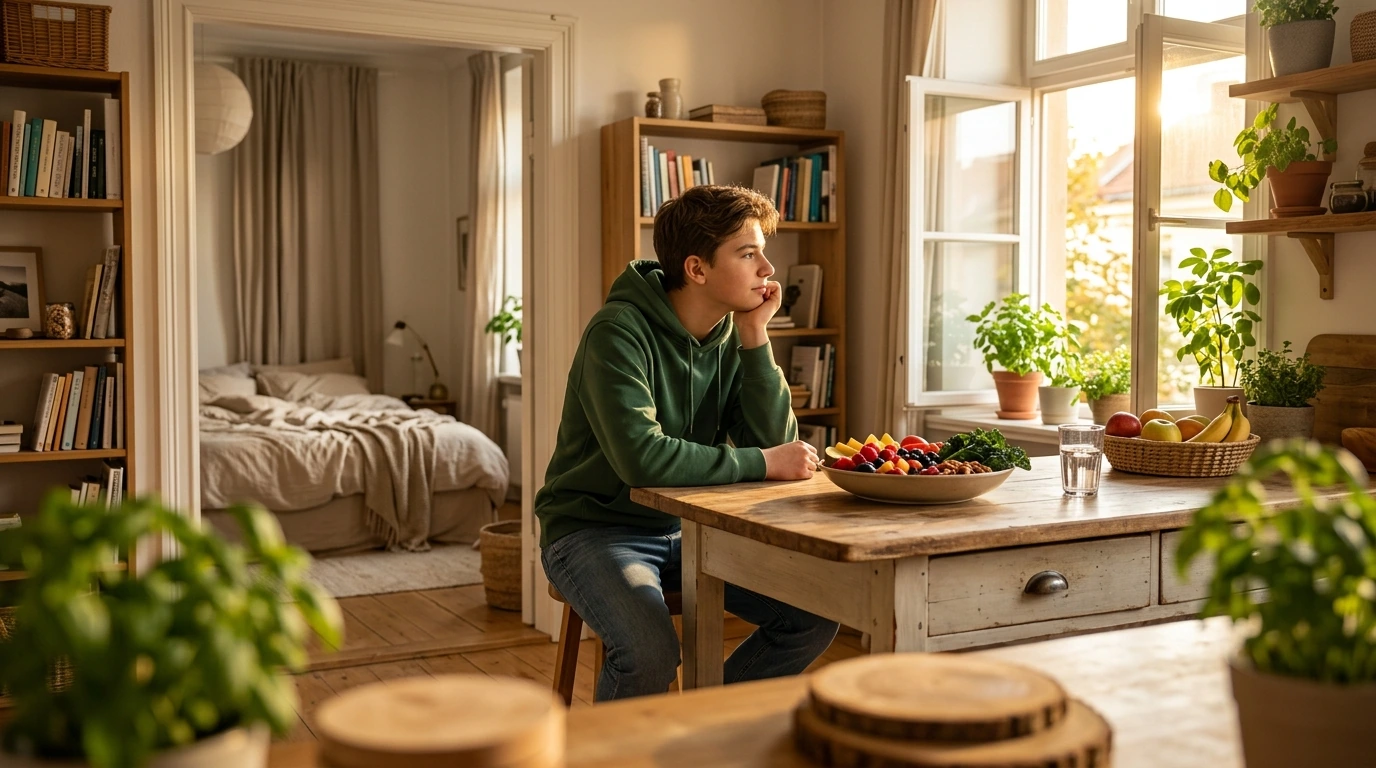
Skipping meals and sugar spikes can worsen fatigue and mood swings. Encourage balanced meals with protein, fiber, and healthy fats (eggs, yogurt, beans, nuts, whole grains), plus water throughout the day. If appetite is low, try smaller, more frequent snacks.
Get daylight and reduce screen overload
Morning light helps regulate the body clock and can support mood. A few minutes outside soon after waking can help. If social media leaves them feeling worse, try gentle boundaries—like screen-free meals or a nightly cutoff—without shaming or power struggles.
Encourage connection that feels safe
Isolation feeds depression. Low-pressure contact—texting a trusted friend, joining a club, spending time with a relative, or doing a shared activity—can be more effective than “talking about feelings” on demand. If you’re parenting a teen who’s struggling, see more supportive steps here: gentle steps for parents to motivate a depressed teen.
When to get extra help
If symptoms last more than two weeks, interfere with school or relationships, or include self-harm, talk of death, or sudden risky behavior, reach out to a pediatrician or mental health professional promptly. Natural supports are best used alongside appropriate care, not as a replacement.
FAQ
Can vitamin D or omega-3s help teen mood?
They may help some teens, especially if there’s a deficiency or low dietary intake. A pediatrician can recommend appropriate testing or dosing, since supplements can interact with other conditions and medications.
Recommended for you



Was this article helpful?
Yes
No









Leave a comment