-
Shop
- Advanced Technologies
- AI Skills for Creators & Freelancers
- AI Client Management
- AI Ethics
- AI Mindset
- AI Tools & Prompts
- AI Writing & Content Creation
- Audio, Voice & Music
- Design & Visual Creation
- Email, Messaging & Communication
- Freelancing & Business
- Marketing, Ads & Conversion
- Productivity, Workflow & Automation
- SEO & Search Optimization
- Social Media Content & Growth
- Strategy, Planning & Analytics
- Video Creation & Editing
- AI Skills Mastery 2026 Collection
- Bathroom
- Best-Sellers
- Car Accessories
- Confidence
- Dating & Social Skills
- Digital Resources
- Easter Products
- Education & Learning
- Family & Parenting
- Fashion
- Fashion Accessories
- Furniture
- Gadgets
- Health & Beauty
- Health & Wellness
- Home & Garden
- Home Electronics
- Home Supplies
- Jewelry
- Kids & Babies
- Kitchen
- Lighting
- Patio, Lawn & Garden
- Personal Growth
- Pet Care
- Pet Supplies
- Pets
- Shoes
- Smart Home Living Guides
- Sport & Outdoors
- Stress Relief & Relaxation
- Super Deals
- TikTok Growth & Monetization Mastery
- Travel
- Travel & Adventure
- Wealth
- Wellness
Dog Grooming Schedule by Coat Type: Brushing, Baths & More
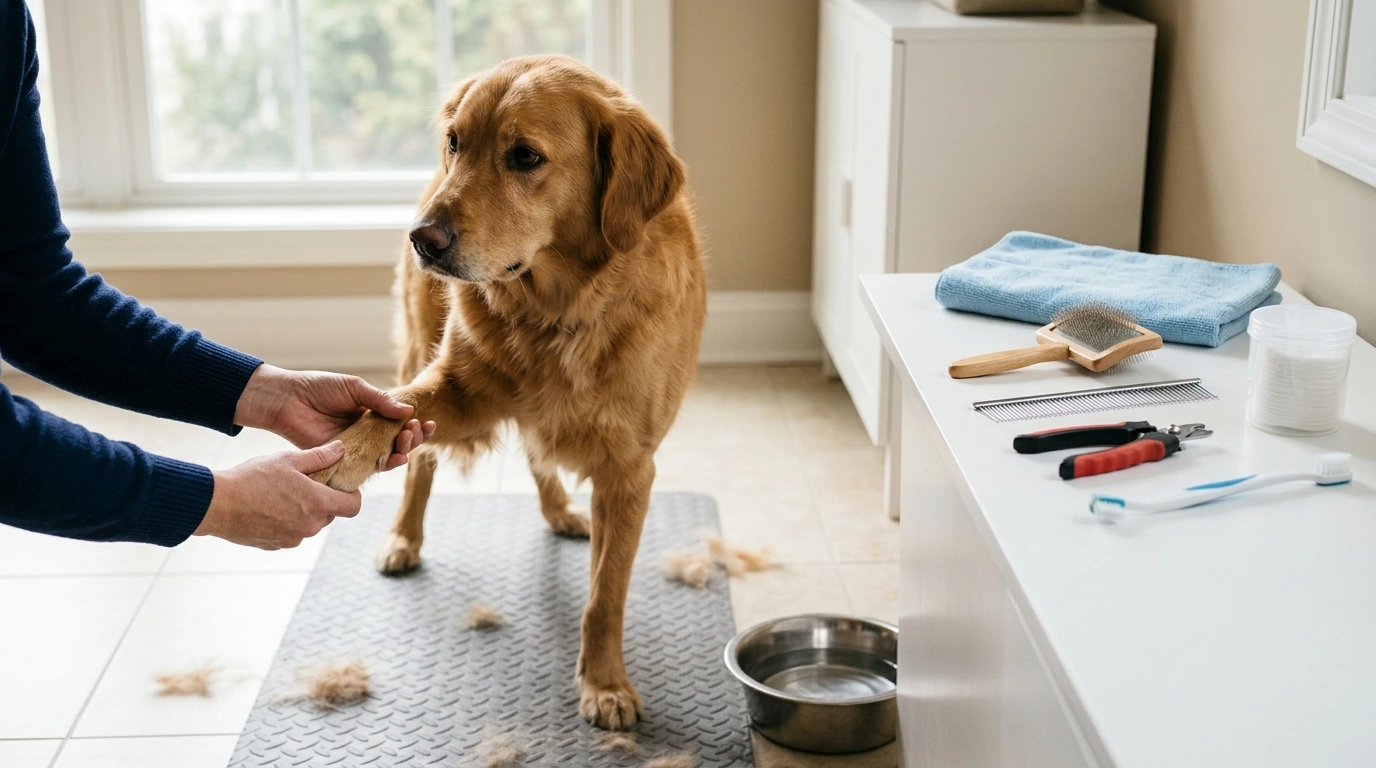
Paws and Polish: How Often Should You Groom Your Dog?
A consistent grooming routine keeps skin, coat, ears, teeth, and nails healthy—and makes issues like parasites, hot spots, and lumps easier to catch early. The right frequency depends on coat type, lifestyle, season, and age. Use the schedule below as a starting point, then adjust based on what the coat and skin are telling you.
What determines grooming frequency
“How often” isn’t one-size-fits-all. The best schedule is the one that prevents mats, keeps skin comfortable, and fits your dog’s real life.
- Coat type: Short/smooth coats shed differently than double coats; curly and long coats mat more easily and need more frequent brushing.
- Lifestyle: Dogs that hike, swim, visit dog parks, or roll in grass need more frequent checks and spot-cleaning.
- Skin sensitivity and allergies: Frequent baths can dry skin for some dogs, while medicated routines may be recommended for others by a veterinarian.
- Season and climate: Shedding spikes in spring/fall; winter salt, summer sand, and humidity all change coat and paw-care needs.
- Age and health: Seniors may need shorter, gentler sessions; puppies benefit from frequent low-stress handling to build comfort.
Grooming schedule by coat and lifestyle (starting point)
| Task | Short/Smooth Coat | Double Coat | Long/Silky Coat | Curly/Wavy Coat | Wire Coat |
|---|---|---|---|---|---|
| Brushing | 1–2×/week | 3–5×/week (daily during shedding) | Daily or every other day | Daily (to prevent mats) | 2–3×/week (plus hand-strip support as needed) |
| Bathing | Every 4–8 weeks or as dirty | Every 6–10 weeks; avoid over-bathing | Every 4–6 weeks | Every 3–6 weeks | Every 4–8 weeks |
| Nail trim | Every 2–4 weeks | Every 2–4 weeks | Every 2–4 weeks | Every 2–4 weeks | Every 2–4 weeks |
| Ear check/clean | Weekly check; clean as needed | Weekly check; clean as needed | Weekly check; clean as needed | Weekly check; clean more often if floppy ears | Weekly check; clean as needed |
| Teeth brushing | Daily (aim for 5–7×/week) | Daily (aim for 5–7×/week) | Daily (aim for 5–7×/week) | Daily (aim for 5–7×/week) | Daily (aim for 5–7×/week) |
| Professional groom | As needed | Every 8–12 weeks | Every 6–10 weeks | Every 4–8 weeks (clip schedule varies) | Every 6–12 weeks (coat work varies) |
Daily and weekly essentials that prevent bigger problems
Small, frequent check-ins tend to beat long, stressful “catch-up” grooms—especially for dogs prone to tangles, ear issues, or nail anxiety.
- Quick daily scan (1–2 minutes): Check eyes, paws, and coat for burrs, ticks, redness, and new bumps; separate toes to look for irritation.
- Brushing basics: Focus friction areas (behind ears, armpits, collar line, groin) where mats start first; keep sessions short and calm.
- Paw care: Wipe after walks; check for cracks, foxtails, and winter salt irritation; trim fur between pads if it traps debris (as appropriate for the breed/coat).
- Ear routine: Sniff-and-look check weekly; clean only when needed and never push tools deep into the ear canal.
- Oral care: Frequent tooth brushing is more effective than occasional deep cleans; pair with vet-approved dental chews if brushing is limited.
Bathing: how often is too often?
Bathing should improve skin comfort, not create itch. If your dog seems drier or scratchier after a bath, the interval—or the products and rinsing—may need adjusting.
- Bath frequency depends on coat and skin: Some dogs do well with monthly baths; others need fewer to avoid dryness, dandruff, or itchiness.
- Use dog-specific shampoo and rinse thoroughly: Leftover product is a common cause of itch.
- Conditioning and detangling help: Long and curly coats often do better with coat-friendly conditioning; careful blow-drying (cool/warm, not hot) can reduce tangles.
- Spot-clean between baths: Wipe paws and underside, rinse mud off legs, and use a damp cloth for “dog smell” areas to stretch time between full baths.
- Red flags to pause bathing and ask a veterinarian: Persistent odor, greasy coat, recurrent hot spots, scabs, hair loss, or intense scratching.
For broader grooming basics and safety reminders, reputable overviews from the American Kennel Club and the ASPCA can be helpful references.
Nails, paw pads, and mobility
Nails and paw pads are easy to overlook until a dog starts slipping, licking, or walking differently.
Coat-specific tips: mat prevention and shedding control
When professional grooming makes sense
Build a routine your dog will accept
Digital guide: ready-to-use schedule and checklists
For a ready-made set of schedules and checklists, see
Paws and Polish: How Often Should You Groom Your Dog (Digital Guide).
For daily dental consistency, a dedicated brush can make the habit easier to stick with:
Triple-Sided Ultra-Fine Soft Bristle Toothbrush for Enhanced Oral Health.
Dental best practices and the importance of frequent home care are also emphasized in the
AAHA dental care guidelines.
FAQ
How often should a dog be bathed?
Many dogs do well with baths about every 4–8 weeks, but the ideal range depends on coat type, activity level, and skin sensitivity. Over-bathing can dry the skin, so use a dog-safe shampoo, rinse thoroughly, and follow your veterinarian’s plan if your dog has a skin condition.
How often should dog nails be trimmed?
A typical nail-trim interval is every 2–4 weeks, or sooner if you hear nails clicking on hard floors. Growth varies with activity and walking surfaces, and it’s smart to use a professional if black nails, anxiety, or pain makes trimming unsafe at home.
Should double-coated dogs be shaved to reduce shedding?
Generally no—double coats help regulate temperature and protect skin, and shaving can interfere with coat function and regrowth. Regular brushing and de-shedding during heavy shed periods is usually more effective, with shaving reserved for medical reasons under veterinary direction.
Recommended for you



Was this article helpful?
Yes
No









Leave a comment