-
Shop
- Advanced Technologies
- AI Skills for Creators & Freelancers
- AI Client Management
- AI Ethics
- AI Mindset
- AI Tools & Prompts
- AI Writing & Content Creation
- Audio, Voice & Music
- Design & Visual Creation
- Email, Messaging & Communication
- Freelancing & Business
- Marketing, Ads & Conversion
- Productivity, Workflow & Automation
- SEO & Search Optimization
- Social Media Content & Growth
- Strategy, Planning & Analytics
- Video Creation & Editing
- AI Skills Mastery 2026 Collection
- Bathroom
- Best-Sellers
- Car Accessories
- Confidence
- Dating & Social Skills
- Digital Resources
- Easter Products
- Education & Learning
- Family & Parenting
- Fashion
- Fashion Accessories
- Furniture
- Gadgets
- Health & Beauty
- Health & Wellness
- Home & Garden
- Home Electronics
- Home Supplies
- Jewelry
- Kids & Babies
- Kitchen
- Lighting
- Patio, Lawn & Garden
- Personal Growth
- Pet Care
- Pet Supplies
- Pets
- Shoes
- Smart Home Living Guides
- Sport & Outdoors
- Stress Relief & Relaxation
- Super Deals
- TikTok Growth & Monetization Mastery
- Travel
- Travel & Adventure
- Wealth
- Wellness
Limit Kids’ Screen Time: Benefits + Printable Checklist
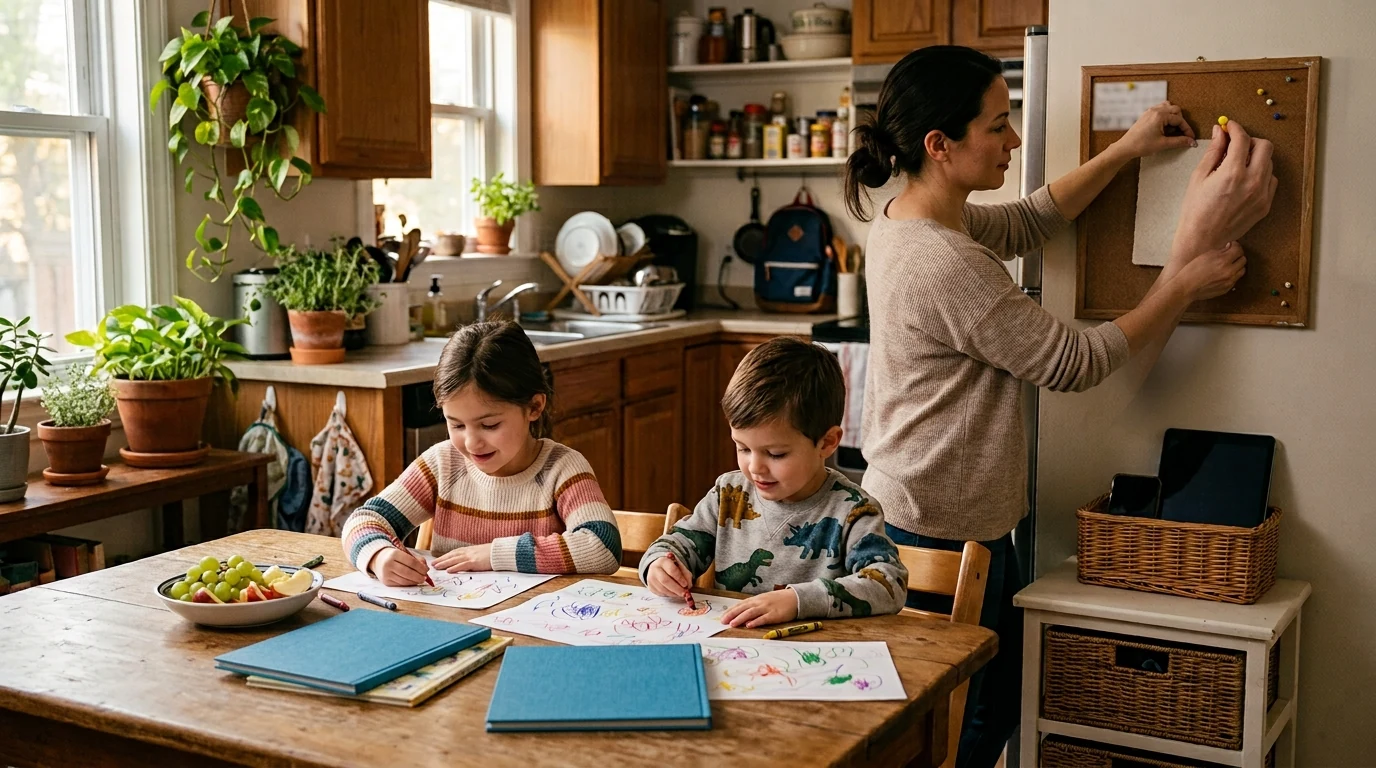
Benefits of Limiting Kids’ Screen Time (and a Printable Checklist to Make It Easier)
Screens are part of daily life—school assignments, group chats, streaming, and games are hard to avoid. But when screen use spreads into mornings, meals, homework time, and bedtime, it can quietly push out the basics kids rely on: sleep, movement, focused learning, and real connection. Setting clear, consistent boundaries isn’t about banning technology; it’s about protecting the habits that help kids feel steady, capable, and well-rested.
If you want a simple way to stay consistent (especially across busy weeks), consider using a one-page routine you can post where it matters most. The Printable checklist and digital guide for limiting kids’ screen time is designed to reduce daily negotiations by turning boundaries into repeatable steps.
Why screen limits matter more than ever
Screens compress a lot of stimulation into a small space. When a child’s default “pause button” becomes a video, game, or scrolling feed, it can crowd out active play, face-to-face conversation, and even boredom—the kind that often leads to creativity and self-directed problem-solving.
Without clear rules, screen use tends to expand into the moments that matter most: rushed mornings, mealtimes, homework blocks, and bedtime. These are also the moments most tied to mood, cooperation, and school readiness.
Thoughtful limits help protect the foundations of development: sleep, movement, learning, and relationships. For guidance and tools that many families use as a starting point, the American Academy of Pediatrics offers a helpful resource hub: Media and Children Communication Toolkit.
Core benefits of limiting kids’ screen time
Better sleep quality
Fewer late-day screens can reduce bedtime battles and help kids fall asleep faster. A simple rule—devices charge outside bedrooms—often has an outsized impact because it removes temptation and late-night “just one more” loops.
Improved attention and learning
When screens are always available, it’s harder for kids to stay with tasks that require effort, like reading or multi-step schoolwork. Clear boundaries reduce interruptions from games, videos, and notifications, making longer focus more doable.
Stronger emotional regulation
Predictable limits can reduce arguments because the rule is the rule—no daily debate needed. Over time, kids get practice with transitions, patience, and coping skills (all while learning that frustration is manageable and temporary).
Healthier movement and posture
Less sitting time naturally makes room for outdoor play, sports, walks, and healthier posture habits. For children under 5, the World Health Organization emphasizes balancing activity, sedentary time, and sleep as a whole-day pattern: Guidelines on physical activity, sedentary behaviour and sleep.
More family connection
Screen-free meals and routines create more conversation, shared laughter, and cooperative behavior. Even a short “phone parking” habit—during dinner or the first 20 minutes after school—can noticeably change the tone at home.
Reduced exposure to inappropriate content and ads
Fewer hours online lowers the odds of stumbling into content that conflicts with your family’s values and reduces exposure to persuasive advertising and endless autoplay recommendations.
A practical starting point: age-based guidelines and “screen zones”
Simple screen-time guardrails by age (starting point)
| Age | Suggested approach | Screen-free priorities |
|---|---|---|
| 0–18 months | Avoid solo screen use; video chat is okay with an adult | Tummy time, talking/singing, sensory play |
| 18–24 months | If used, choose high-quality content and watch together | Play-based learning, reading aloud, outdoor time |
| 2–5 years | Keep it limited and co-view when possible; short sessions | Active play daily, meals without screens, consistent bedtime |
| 6–12 years | Set daily/weekly limits and device curfews; prioritize homework and sleep | Sports/movement, hobbies, friendships, family routines |
| Teens | Focus on balance, social media boundaries, and sleep protection; agree on rules | Sleep, school responsibilities, in-person connection |
How to reduce screen time without constant conflict
Screen-free activities that actually stick
Independence builders: audiobooks, journaling, model kits, drawing prompts, or simple kitchen tasks with supervision. (A small self-care routine can also help: many families keep spare supplies handy, like the Triple-Sided Ultra-Fine Soft Bristle Toothbrush for Enhanced Oral Health, to make morning and bedtime routines smoother.)
Printable checklist: turn good intentions into a routine
If you want an easy, ready-to-print option, the Benefits for Limiting Kids’ Screen Time | Printable Checklist for Parents is a simple digital download designed for daily use.
When screen time is a real struggle
If sleep, school performance, mood, or relationships are consistently impacted, it may help to discuss concerns with a pediatrician or qualified mental health professional. For general developmental guidance and age-based expectations, the CDC’s child development resources can be useful: Child Development.
Helpful products for screen-free routines
- Printable checklist and digital guide for limiting kids’ screen time (digital download)
- Universal Car Steering Wheel Phone Mount for Safe Navigation (helps keep the phone parked and hands-free while driving)
- Triple-Sided Ultra-Fine Soft Bristle Toothbrush for Enhanced Oral Health (supports smoother morning/bedtime routines without extra fuss)
FAQ
How much screen time is appropriate for my child’s age?
Use common pediatric guidance as a flexible starting point: prioritize co-viewing and high-quality content for younger kids, and focus on sleep, homework, and behavior guardrails for older kids and teens. If screens are disrupting sleep, schoolwork, mood, or family relationships, it’s a sign to tighten boundaries.
What’s the easiest rule to start with if screen time is out of control?
Start with one high-impact boundary: a nightly device curfew with charging outside bedrooms or device-free meals. Pair it with a short replacement list (3–5 screen-free options) and a consistent shutdown routine to reduce arguments.
How can a printable checklist help reduce arguments about screens?
A checklist externalizes the rule so it’s not a daily negotiation, and it clarifies transitions (“this happens next”). Posted in a visible spot and reviewed weekly, it helps keep expectations consistent across parents, caregivers, and busy schedules.
Recommended for you



Was this article helpful?
Yes
No









Leave a comment