-
Shop
- Advanced Technologies
- AI Skills for Creators & Freelancers
- AI Client Management
- AI Ethics
- AI Mindset
- AI Tools & Prompts
- AI Writing & Content Creation
- Audio, Voice & Music
- Design & Visual Creation
- Email, Messaging & Communication
- Freelancing & Business
- Marketing, Ads & Conversion
- Productivity, Workflow & Automation
- SEO & Search Optimization
- Social Media Content & Growth
- Strategy, Planning & Analytics
- Video Creation & Editing
- AI Skills Mastery 2026 Collection
- Bathroom
- Best-Sellers
- Car Accessories
- Confidence
- Dating & Social Skills
- Digital Resources
- Easter Products
- Education & Learning
- Family & Parenting
- Fashion
- Fashion Accessories
- Furniture
- Gadgets
- Health & Beauty
- Health & Wellness
- Home & Garden
- Home Electronics
- Home Supplies
- Jewelry
- Kids & Babies
- Kitchen
- Lighting
- Patio, Lawn & Garden
- Personal Growth
- Pet Care
- Pet Supplies
- Pets
- Shoes
- Smart Home Living Guides
- Sport & Outdoors
- Stress Relief & Relaxation
- Super Deals
- TikTok Growth & Monetization Mastery
- Travel
- Travel & Adventure
- Wealth
- Wellness
AI for Pet Care: Simple Health, Training & Routine System
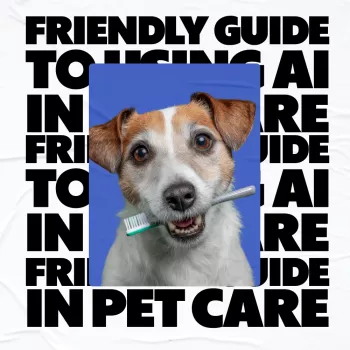
A Friendly Guide to Using AI in Pet Care: Smarter Health, Training, and Daily Routines
AI tools can help modern pet owners stay organized, notice health changes earlier, and build consistent training and enrichment routines—without replacing veterinary care or common sense. Used well, AI is less about “smart gadgets” and more about simple systems: better notes, clearer checklists, and faster summaries you can share with your veterinarian.
What “AI in Pet Care” Looks Like in Real Life
In day-to-day pet ownership, AI works best as a helper for planning and pattern-spotting. Think schedules, reminders, summaries, and trend detection from your notes or from pet devices (like activity trackers). Common inputs include photos (skin, coat, teeth), short videos (gait or mobility), basic logs (food, water, stool), and behavior notes.
Where AI fits best: routine management, question triage, and drafting checklists—then confirming decisions with trusted sources. Where AI does not fit: diagnosing illness, prescribing medication, or replacing an in-person veterinary exam. For reputable pet-owner education, refer to the American Veterinary Medical Association (AVMA) — Pet Owner Resources.
Quick Start: Set Up an AI-Powered Care System in 15 Minutes
1) Create one “pet profile” note
Keep a single page with species, age, weight range, diet, medications, allergies, microchip info, primary vet contact, and the nearest emergency clinic. This becomes the source of truth for anyone helping with care.
2) Start three easy logs
Track meals/treats, potty and stool notes, and activity/sleep (rough estimates are fine). Consistency beats detail: one line per day is enough to create a baseline.
3) Turn it into templates
Use an AI chat assistant to convert your profile and logs into a repeatable daily checklist, weekly grooming list, and monthly preventive-care reminders. Save them as copy/paste templates so you aren’t reinventing the wheel.
4) Add escalation rules
Write clear “call the vet” triggers (repeated vomiting, breathing trouble, sudden lethargy, toxin exposure, pain that limits movement). When stress hits, you’ll be glad the decision rules are already written down.
5) Keep it sustainable
Choose one habit to track reliably rather than tracking everything imperfectly. A dependable food-and-stool log can be more useful than sporadic tracking across ten categories.
Smart Health Tracking Without Guesswork
Before relying on “changes,” establish a baseline: normal appetite, usual energy, resting respiration, and typical stool quality. Once you’ve captured what’s normal, AI becomes helpful for summarizing patterns from your notes—like “last 14 days of itching episodes” or “weekly appetite changes.”
For photo/video comparisons, use consistent angles and lighting. A quick weekly “coat and skin” photo, a monthly tooth photo, and a short walking clip on a flat surface can make trends easier to notice. If you use medications or supplements, AI can help organize a dosing schedule, but label directions and veterinary guidance come first—and never “adjust a dose” based on a chatbot summary.
| What you track | Helpful AI output | Next step |
|---|---|---|
| Food/water amounts and times | Trends and anomalies (less drinking, skipped meals) | If change persists or is sudden, contact a veterinarian |
| Weight (weekly) and body condition notes | Simple charts and “likely causes” checklist | Adjust diet/activity with a vet-approved plan |
| Itching, licking, ear shaking | Frequency map and possible triggers (seasonal, new detergent, diet change) | Rule out infection/parasites with a vet |
| Stool quality and frequency | Pattern summary and dehydration risk flags | Seek care if blood, black stool, repeated diarrhea, or lethargy |
| Activity/sleep and behavior | Routine drift detection and enrichment suggestions | If sudden behavior change, consider medical causes first |
Training and Behavior: Using AI to Stay Consistent
Daily Care Made Easier: Routines, Grooming, and Home Setup
Nutrition is another area where simple structure prevents drift. Create a measured treat budget, plus an “approved treat list” so training rewards don’t quietly overwhelm weight goals. For home safety, build a checklist for toxic foods, chewing hazards, plant risks, secure trash, and a travel kit. For toxin concerns, keep the ASPCA — Animal Poison Control page bookmarked for fast access.
Choosing Tools: Apps, Cameras, Wearables, and Chat Assistants
For AI chat tools, use them for checklists, summaries, and question prompts to ask a vet—not final answers. Avoid over-automation: too many alerts create alarm fatigue and reduce follow-through. For general medication and product safety awareness, the FDA — Animal & Veterinary resource can be useful for context.
Recommended Picks to Support an AI-Friendly Routine
- A Friendly Guide to Using AI in Pet Care | Easy Ebook on how to use ai in pet care | Smart Pet Health, Training & Daily Care for Modern Pet Owners — a guided workflow for profiles, logs, routines, and vet-ready summaries.
- Triple-Sided Ultra-Fine Soft Bristle Toothbrush for Enhanced Oral Health — helpful for keeping dental care on a simple schedule your AI reminders can enforce.
- Universal Car Steering Wheel Phone Mount for Safe Navigation — useful for hands-free navigation to the vet or emergency clinic when your care plan says “go now.”
Safety, Privacy, and When to Call the Vet
FAQ
Can AI diagnose what’s wrong with a pet from symptoms or a photo?
No. AI can help organize observations, summarize timelines, and suggest questions to ask, but only a veterinarian can diagnose illness, rule out emergencies, and recommend treatment based on an exam and appropriate tests.
What’s the safest way to use AI for pet training?
Use AI to create short, consistent, reward-based plans and to track sessions so everyone uses the same cues and rewards. For aggression, severe anxiety, or sudden behavior changes, involve a qualified trainer/behavior professional and your veterinarian.
Which pet health data is actually worth tracking?
A minimal set usually works best: appetite/water, stool, weekly weight/body condition notes, activity/sleep, and medications. Focus on baselines and trends over time rather than one-off readings that are easy to misinterpret.
Recommended for you


Was this article helpful?
Yes
No









Leave a comment