-
Shop
- Advanced Technologies
- AI Skills for Creators & Freelancers
- AI Client Management
- AI Ethics
- AI Mindset
- AI Tools & Prompts
- AI Writing & Content Creation
- Audio, Voice & Music
- Design & Visual Creation
- Email, Messaging & Communication
- Freelancing & Business
- Marketing, Ads & Conversion
- Productivity, Workflow & Automation
- SEO & Search Optimization
- Social Media Content & Growth
- Strategy, Planning & Analytics
- Video Creation & Editing
- AI Skills Mastery 2026 Collection
- Bathroom
- Best-Sellers
- Car Accessories
- Confidence
- Dating & Social Skills
- Digital Resources
- Easter Products
- Education & Learning
- Family & Parenting
- Fashion
- Fashion Accessories
- Furniture
- Gadgets
- Health & Beauty
- Health & Wellness
- Home & Garden
- Home Electronics
- Home Supplies
- Jewelry
- Kids & Babies
- Kitchen
- Lighting
- Patio, Lawn & Garden
- Personal Growth
- Pet Care
- Pet Supplies
- Pets
- Shoes
- Smart Home Living Guides
- Sport & Outdoors
- Stress Relief & Relaxation
- Super Deals
- TikTok Growth & Monetization Mastery
- Travel
- Travel & Adventure
- Wealth
- Wellness
Build a High-Value Wardrobe: Spend Less, Wear More
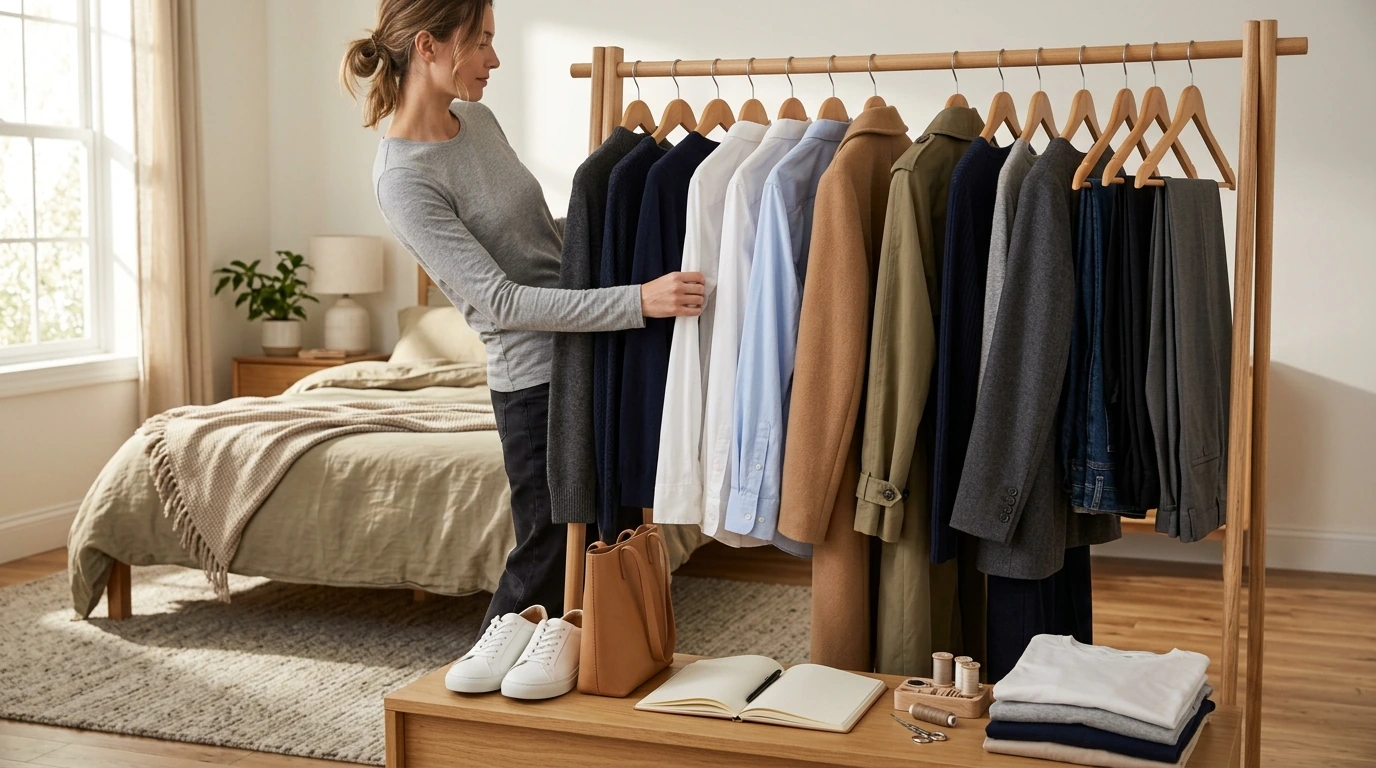
Smart Style, Smart Spending: Investing in a Wardrobe That Pays You Back
A high-value wardrobe isn’t about owning more—it’s about choosing pieces that look better longer, cost less per wear, and make getting dressed effortless. The goal is a closet that stays polished across seasons without constant replacement, built from items that earn their keep through repeat wear, easy care, and dependable fit.
What “lasting value” looks like in clothing
Lasting value is measurable. It shows up in how often you reach for an item, how well it holds its shape and color, and how seamlessly it works with what you already own.
- Cost per wear beats sticker price: divide total cost (including tailoring and care) by realistic wears.
- Versatility: pieces that move from casual to work to evening pay you back faster.
- Durability: strong seams, resilient fabrics, quality hardware, and repairability matter more than trends.
- Fit: the right silhouette and proportions look premium even at modest price points.
- Care practicality: items that survive routine washing (or predictable dry-cleaning) stay in rotation.
Quick cost-per-wear check
| Item | Price | Estimated wears (12 months) | Cost per wear |
|---|---|---|---|
| Neutral blazer | $150 | 30 | $5.00 |
| Premium sneakers | $110 | 60 | $1.83 |
| Trend top | $40 | 5 | $8.00 |
| Everyday jeans | $80 | 40 | $2.00 |
Start with a wardrobe audit that saves money immediately
Before buying anything, use what’s already working as your blueprint. Most closets have a handful of “heroes” doing the heavy lifting—and a lot of items that looked good in theory.
- Sort by frequency: daily/weekly/monthly/rarely reveals proven silhouettes and colors.
- Spot duplicates: keep the best-fitting version; donate or resell the rest.
- Check gaps by scenario: work, weekends, events, travel, weather—buy only what solves a real gap.
- Build around a small color palette: 2 neutrals + 1–2 accents multiplies outfit combinations.
- Create a “repair/alter” pile: hemming, buttons, and minor waist adjustments often beat replacing.
If you want a step-by-step framework you can revisit each season, Smart Style, Smart Spending: A Guide to Investing in Your Wardrobe for Lasting Value is a practical companion for turning that audit into a repeatable plan.
The high-return categories worth paying more for
Some categories carry your entire outfit or take the most daily wear. Spending a bit more here tends to reduce replacement buying and upgrades everything else you own.
- Footwear: comfort, materials, and construction determine longevity; rotating pairs extends life.
- Outerwear: a great coat or jacket “finishes” looks and reduces the need for extra layers.
- Bags and belts: solid hardware and durable materials elevate basics and handle daily use.
- Core knitwear and tees: fabric density, recovery, and seam quality prevent sagging and twisting.
- Tailoring budget: even small hemming and fit adjustments can dramatically increase wears.
For a wear-everywhere upgrade that typically earns a low cost per wear, consider a quality sneaker you’ll actually rotate into weekly outfits, like Armani Exchange Men’s Sneakers.
How to judge quality fast (even online)
When you can’t touch the fabric, quality checks become a mix of product details, care labels, and patterns in customer feedback.
- Fabric signals: look for higher GSM in tees, tight knits, and minimal sheerness unless intentionally lightweight.
- Construction: reinforced seams, neat stitching, clean hems, and aligned stripes/plaids suggest better make.
- Hardware: zippers should glide; buttons should feel secure; buckles should be solid and finished.
- Care label realism: if an everyday piece requires delicate dry-cleaning, long-term cost rises.
- Reviews and photos: prioritize notes on pilling, shrinking, color fastness, and post-wash appearance.
For label literacy—especially fabric composition and care symbols—refer to the Federal Trade Commission’s textile labeling guidance. If you’re comparing material pros/cons (durability, impact, tradeoffs), Good On You’s material guide is a helpful starting point.
A simple spending plan that keeps the closet balanced
A closet becomes “expensive” when it’s lopsided—too many one-off pieces and not enough foundations. A simple split keeps your purchases aligned with real life.
- Use a 70/20/10 approach: 70% staples, 20% upgrades, 10% fun trends.
- Cap impulse buys with a 48-hour rule: if it still solves a gap and matches 3 outfits, it earns a place.
- Set annual replacement funds: sneakers, tees, underwear, and workout gear naturally wear out.
- Shop off-season: outerwear and seasonal staples are often better values without sacrificing quality.
- Track your 10 most-worn items: replace and upgrade based on usage, not wishful outfits.
If budgeting feels abstract, remember that clothing prices rise over time like most consumer goods; understanding broad pricing measures (like the CPI) can make planning less frustrating. The OECD’s CPI methodology overview provides a clear explanation of how those changes are tracked.
Care and maintenance: the hidden multiplier
Great purchases can look mediocre if they’re neglected, while mid-priced basics can look sharp for years with simple habits.
A ready-made roadmap for building a lasting wardrobe
FAQ
How much should be spent on “investment pieces” versus basics?
A 70/20/10 split works well: 70% staples, 20% upgrades to your most-worn items, and 10% trends. Let wear frequency decide the budget—footwear, outerwear, and tailoring typically deserve the “investment” dollars.
What are the best signs a garment will last?
Look for dense, resilient fabric; neat stitching and reinforced seams; sturdy hardware; and care requirements that match real life. Reviews that mention minimal pilling, low shrinkage, and stable color after washing are strong green flags.
How can a wardrobe look expensive on a limited budget?
Prioritize fit (hemming is often the highest ROI), stick to a tight color palette, and keep shoes clean and outfits pressed or steamed. A few better accessories and fewer overly trendy pieces create a more elevated, consistent look.
Recommended for you

Was this article helpful?
Yes
No









Leave a comment