-
Shop
- Advanced Technologies
- AI Skills for Creators & Freelancers
- AI Client Management
- AI Ethics
- AI Mindset
- AI Tools & Prompts
- AI Writing & Content Creation
- Audio, Voice & Music
- Design & Visual Creation
- Email, Messaging & Communication
- Freelancing & Business
- Marketing, Ads & Conversion
- Productivity, Workflow & Automation
- SEO & Search Optimization
- Social Media Content & Growth
- Strategy, Planning & Analytics
- Video Creation & Editing
- AI Skills Mastery 2026 Collection
- Bathroom
- Best-Sellers
- Car Accessories
- Confidence
- Dating & Social Skills
- Digital Resources
- Easter Products
- Education & Learning
- Family & Parenting
- Fashion
- Fashion Accessories
- Furniture
- Gadgets
- Health & Beauty
- Health & Wellness
- Home & Garden
- Home Electronics
- Home Supplies
- Jewelry
- Kids & Babies
- Kitchen
- Lighting
- Patio, Lawn & Garden
- Personal Growth
- Pet Care
- Pet Supplies
- Pets
- Shoes
- Smart Home Living Guides
- Sport & Outdoors
- Stress Relief & Relaxation
- Super Deals
- TikTok Growth & Monetization Mastery
- Travel
- Travel & Adventure
- Wealth
- Wellness
Car Air Vent Deflector Cover: Softer, Balanced Airflow
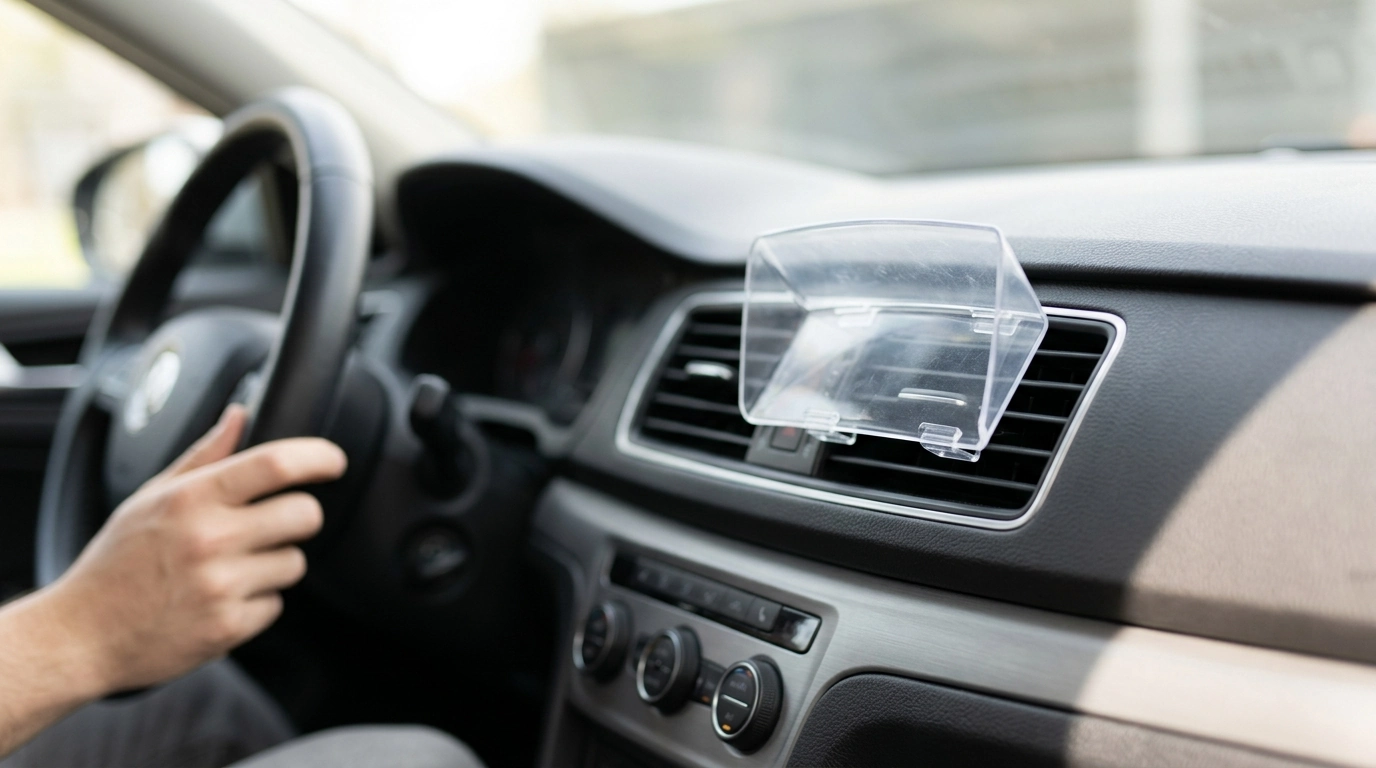
Car Air Vent Deflector Cover: Redirect Airflow for Comfortable Driving
Direct air blowing from dashboard vents can cause dry eyes, throat irritation, stiff shoulders, and an uneven cabin temperature. A car air vent deflector cover helps redirect air upward or sideways to spread cooling or heating more evenly—improving comfort for drivers and passengers without blocking ventilation altogether.
What a Vent Deflector Cover Does (and What It Doesn’t)
A vent deflector cover is a simple add-on that changes the direction and “shape” of the air stream coming out of a dash vent. Instead of a concentrated blast pointed at your face or chest, it can help turn that flow into a softer, more distributed breeze.
- Redirects airflow away from the face and chest to reduce discomfort from direct blowing.
- Helps distribute air more evenly across the cabin, especially useful when the driver and passenger prefer different airflow directions.
- Can reduce the “hot/cold spot” effect by diffusing the stream coming from a single vent.
- Does not replace the vehicle’s HVAC filter, blower, or A/C performance—if airflow is weak or smells musty, maintenance may be needed. For background on in-vehicle air quality and filtration, see the U.S. EPA’s guide to indoor air quality.
Comfort Benefits in Real Driving Situations
Redirecting airflow isn’t just about convenience; it can make day-to-day driving feel calmer and less distracting—especially when the HVAC is working hard.
- Long commutes: less eye dryness and less neck/shoulder chill when A/C is strong.
- Night driving: reduced sensation of cold air on hands and face, which can be distracting. Keeping the cabin comfortable can support focus—alongside other safe-driving habits highlighted by the NHTSA’s driver distraction guidance.
- Family rides: directs airflow over or around children and back-seat passengers who are sensitive to direct drafts.
- Winter heating: can aim warm air toward the windshield area or upward rather than blasting directly at the driver.
Key Fit and Compatibility Checks Before Buying
Not all vents are built the same. A quick check before ordering helps ensure the deflector attaches securely and still lets you adjust airflow the way you want.
- Vent type: confirm whether the vehicle uses horizontal slats, vertical slats, circular vents, or unusual shapes.
- Vent size and depth: measure the vent opening width/height and how far slats sit from the surface for secure attachment.
- Adjustment range: look for a deflector that can tilt and angle enough to redirect airflow where needed.
- Interior clearance: ensure it won’t interfere with hazard buttons, infotainment controls, or steering wheel position.
- Material considerations: choose smooth, easy-clean materials that won’t scratch trim if removed and reinstalled.
Installation and Best Positioning for Smooth Airflow
Most vent deflectors install in minutes, but a careful setup makes a big difference in comfort and stability.
- Clean first: wipe the vent surface to improve grip and reduce rattles caused by dust buildup.
- Attach gently: confirm it sits straight; avoid forcing clips against fragile vent slats.
- Start slightly upward: begin with a mild upward tilt so airflow lifts into the cabin rather than hitting your face.
- Adjust by season: for strong A/C, widen the deflection angle to diffuse the stream; for heating, aim upward to promote mixing.
- Test fan speeds: try low, medium, and high to ensure the deflector stays stable and doesn’t vibrate on rough roads.
Quick Comparison: Direct Vent Flow vs. Redirected Flow
Use the table below to decide when a deflector is most helpful and how to set it for comfort.
| Situation | Without Deflector | With Deflector (Recommended Setup) |
|---|---|---|
| High A/C on face | Dry eyes, cold draft, uneven cooling | Angle upward/sideways to diffuse airflow across the cabin |
| Heating on chest/hands | Overheating in one spot while rest of cabin feels cooler | Tilt upward to promote circulation and more even warmth |
| Passenger sensitive to drafts | Complaints about cold air from dash vent | Redirect away from passenger; keep airflow for overall cabin comfort |
| Defog/defrost needed | Air may not reach desired area efficiently | Adjust to avoid blocking; prioritize windshield vents if available |
Care, Cleaning, and Noise Prevention
Like other interior accessories, a vent deflector stays quieter and looks better with light upkeep.
- Wipe regularly to prevent dust lines on the deflector and surrounding trim.
- If squeaks or rattles appear, reseat the attachment points and ensure the vent slats aren’t under stress.
- Avoid harsh solvents on soft-touch dashboards; use mild interior-safe cleaners.
- Remove carefully when detailing to avoid bending vent slats or weakening clips over time.
When a Deflector Is a Smart Add-On (and When to Skip It)
Product Spotlight: Simple Upgrades for Everyday Driving Comfort
Car Air Vent Deflector Cover – Airflow Diverter for Comfort & Direct Blowing Prevention
Universal Car Steering Wheel Phone Mount for Safe Navigation
FAQ
Will a vent deflector reduce air conditioning performance?
It mainly redirects and diffuses airflow rather than stopping it. A slight perceived drop can happen if the deflector blocks too much of the vent, so position it to keep a clear path and test a few angles at different fan speeds.
Does it fit all car vents?
Many options are designed to be universal, but vent shapes vary widely (horizontal slats, vertical slats, round vents, and custom designs). Measuring your vent opening and checking the attachment style helps avoid a poor fit.
Can it help with dry eyes or sinus discomfort from direct A/C?
Redirecting air away from your face can reduce irritation for some people while still keeping the cabin cool. For best results, aim the airflow upward or to the side and keep overall ventilation balanced.
Recommended for you


Was this article helpful?
Yes
No









Leave a comment