-
Shop
- Advanced Technologies
- AI Skills for Creators & Freelancers
- AI Client Management
- AI Ethics
- AI Mindset
- AI Tools & Prompts
- AI Writing & Content Creation
- Audio, Voice & Music
- Design & Visual Creation
- Email, Messaging & Communication
- Freelancing & Business
- Marketing, Ads & Conversion
- Productivity, Workflow & Automation
- SEO & Search Optimization
- Social Media Content & Growth
- Strategy, Planning & Analytics
- Video Creation & Editing
- AI Skills Mastery 2026 Collection
- Bathroom
- Best-Sellers
- Car Accessories
- Confidence
- Dating & Social Skills
- Digital Resources
- Easter Products
- Education & Learning
- Family & Parenting
- Fashion
- Fashion Accessories
- Furniture
- Gadgets
- Health & Beauty
- Health & Wellness
- Home & Garden
- Home Electronics
- Home Supplies
- Jewelry
- Kids & Babies
- Kitchen
- Lighting
- Patio, Lawn & Garden
- Personal Growth
- Pet Care
- Pet Supplies
- Pets
- Shoes
- Smart Home Living Guides
- Sport & Outdoors
- Stress Relief & Relaxation
- Super Deals
- TikTok Growth & Monetization Mastery
- Travel
- Travel & Adventure
- Wealth
- Wellness
38mm Vintage Automatic Sports Watch: Fit, Features, Care
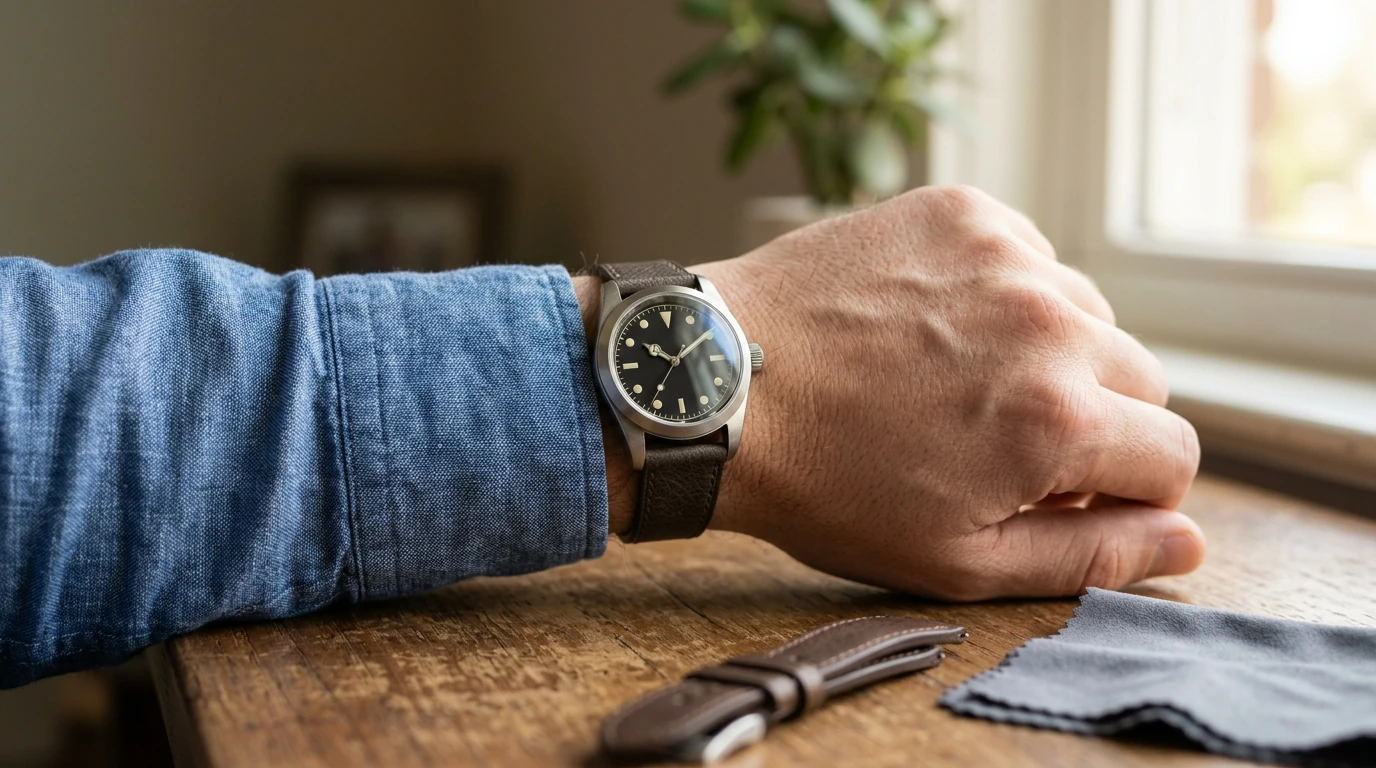
38mm Vintage Automatic Sports Watch: Classic Proportions, Everyday Capability
A 38mm automatic sports watch blends vintage-leaning design with real-world versatility. The size is compact enough to wear comfortably for long stretches, yet substantial enough to read at a glance and feel purposeful on the wrist. Below is a practical guide to getting the fit right, spotting quality details, understanding automatic movement behavior, and keeping your watch performing smoothly for daily use. For more guidance, see seiko and zodiac, set of three limited edition wristwatches.
What Makes a 38mm Vintage Sports Watch So Wearable
At 38mm, a sports watch lands in a classic “do-it-all” range: noticeable without feeling bulky. It’s a sweet spot for anyone who wants a traditional profile that can flex from weekend casual to business-casual without looking out of place. For further reading, see Vintage Citizen Case Backs & Watch Production Date.
Vintage sports styling typically favors clean dials, crisp indices, and cases designed to slip under cuffs. A smaller diameter also tends to reduce snagging on sleeves and bag straps, which is an underrated part of day-to-day comfort.
That said, diameter alone doesn’t determine how a watch wears. For the best proportions, consider diameter alongside lug-to-lug length and thickness. A 38mm watch with long lugs can wear larger than expected, while a compact lug shape can make it feel exceptionally balanced.
Design Details to Check Before Buying
Small refinements separate a “nice in photos” watch from one that feels precise on the wrist. A few checkpoints help you judge build quality quickly.
- Dial legibility: Look for strong contrast between hands/markers and the dial, a clean layout, and a seconds hand that’s easy to track.
- Crystal and finishing: Crisp alignment at the crystal edge, even brushing/polishing transitions, and consistent dial printing are good signs of careful assembly.
- Crown grip and placement: The crown should be easy to grasp for winding and setting, without poking the back of the hand during wear.
- Bezel or timing cues (if present): Alignment should be even, and rotation (if applicable) should feel consistent rather than gritty or loose.
- Strap/bracelet compatibility: Standard lug widths make strap swaps easier—leather for dress-casual, nylon for low-fuss comfort, rubber for heat and water.
Automatic Movement Basics (and What to Expect Day to Day)
An automatic movement winds using a rotor that turns with wrist motion; many designs also allow hand-winding from the crown. If you’re newer to mechanical watches, it helps to set expectations: slight timekeeping variation is normal, and consistency improves when the watch is worn regularly and stored in stable conditions. For a general overview of the mechanism, see Automatic watch (overview).
Power reserve tells you how long the watch will run when it’s off-wrist. If you rotate watches, a longer reserve is more forgiving—especially if you don’t want to reset the time every other day.
Sports-Watch Practicalities: Comfort, Durability, and Water Resistance
Water resistance deserves a practical mindset. Ratings describe tested pressure in controlled conditions, not a guarantee for every scenario. Seal condition, crown position, temperature swings, and aging gaskets all affect real-world performance. For background on ratings and markings, see Water Resistant marking on watches. If you’re around water, make sure the crown is fully secured, avoid hot showers/saunas (heat can stress seals), and rinse with fresh water after salt or chlorinated exposure—then dry thoroughly.
Quick Spec Checklist for the 38mm Vintage Automatic Sports Watch
| Spec | Why it matters | What to look for |
|---|---|---|
| Case diameter (38mm) | Overall presence | Balanced look on most wrists; classic proportions |
| Lug-to-lug length | True on-wrist footprint | Shorter lengths wear smaller and reduce overhang |
| Case thickness | Sleeve compatibility | Moderate thickness slides under cuffs more easily |
| Lug width | Strap options | Common sizes make strap swapping simple |
| Crown operation | Daily usability | Smooth winding/setting without wobble |
| Water resistance rating | Daily confidence | Match rating to intended exposure; keep seals in mind |
| Lume/visibility | Low-light readability | Even application and clear hand contrast |
How to Set, Wear, and Store an Automatic Watch
If you want a deeper dive into how automatics behave and why they’re different from quartz, HODINKEE has helpful educational resources.
Who This Style Works Best For
Product Spotlight: 38mm Vintage Automatic Sports Watch
The 38mm Vintage Automatic Sports Watch is built around classic wrist presence: compact proportions, an automatic movement for mechanical character, and a vintage sports aesthetic that pairs well with strap changes. For day-to-day ownership, keep it clean, avoid magnets, confirm the crown is secured before water exposure, and plan on periodic servicing to protect long-term performance.
Easy add-ons for an everyday-ready setup
- Armani Exchange Men’s Sneakers for a clean casual pairing with vintage sports style.
- Universal Car Steering Wheel Phone Mount for Safe Navigation for commuting and travel days when you want quick, glanceable navigation.
- Triple-Sided Ultra-Fine Soft Bristle Toothbrush for Enhanced Oral Health as a simple daily essential to round out a practical routine.
FAQ
Is a 38mm sports watch too small today?
No—38mm is a classic, widely worn size that often looks more refined and versatile than oversized cases. Lug-to-lug length and thickness matter most for fit, so a well-proportioned 38mm can wear confidently on many wrists.
How often does an automatic watch need servicing?
A practical range is often every 3–7 years, depending on use and the maker’s guidance. If you notice worsening accuracy, moisture under the crystal, or rough crown action, it’s a good signal to have it checked sooner.
Can an automatic watch be worn for swimming?
Only if the stated water-resistance rating supports it and the crown is fully secured. Avoid hot showers/saunas and sudden pressure changes, and rinse the watch with fresh water after salt or chlorine exposure.
Recommended for you
Was this article helpful?
Yes
No









Leave a comment