-
Shop
- Advanced Technologies
- AI Skills for Creators & Freelancers
- AI Client Management
- AI Ethics
- AI Mindset
- AI Tools & Prompts
- AI Writing & Content Creation
- Audio, Voice & Music
- Design & Visual Creation
- Email, Messaging & Communication
- Freelancing & Business
- Marketing, Ads & Conversion
- Productivity, Workflow & Automation
- SEO & Search Optimization
- Social Media Content & Growth
- Strategy, Planning & Analytics
- Video Creation & Editing
- AI Skills Mastery 2026 Collection
- Bathroom
- Best-Sellers
- Car Accessories
- Confidence
- Dating & Social Skills
- Digital Resources
- Easter Products
- Education & Learning
- Family & Parenting
- Fashion
- Fashion Accessories
- Furniture
- Gadgets
- Health & Beauty
- Health & Wellness
- Home & Garden
- Home Electronics
- Home Supplies
- Jewelry
- Kids & Babies
- Kitchen
- Lighting
- Patio, Lawn & Garden
- Personal Growth
- Pet Care
- Pet Supplies
- Pets
- Shoes
- Smart Home Living Guides
- Sport & Outdoors
- Stress Relief & Relaxation
- Super Deals
- TikTok Growth & Monetization Mastery
- Travel
- Travel & Adventure
- Wealth
- Wellness
AI Personal Style Guide: Outfit Formulas That Feel Like You
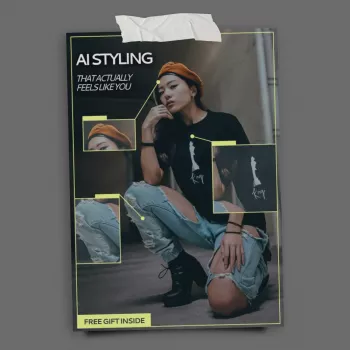
AI Styling That Actually Feels Like You: A Personal Style Guide for Real-Life Outfits
Great style gets easier when decisions are guided by a clear point of view—yours. The AI Styling That Actually Feels Like You | Personal Style Guide Using AI | Digital Download eBook & Styling Checklist turns AI into a practical styling partner that helps clarify your preferences, build outfit formulas, and plan looks that feel consistent without feeling repetitive. Instead of chasing “what’s in,” you end up with a repeatable way to get dressed that fits your life, your comfort level, and your taste.
What “feels like you” means in everyday styling
“Feels like you” is the overlap between personality, lifestyle, and comfort—then expressed through clothing in a way that’s recognizable without being rigid. It’s less about one specific aesthetic and more about a consistent point of view.
- Style that matches real life: outfits that work for your commute, climate, job expectations, and daily movement—not just aspirational photos.
- Consistency across outfits: a steady vibe (clean, bold, relaxed, tailored, playful) with flexible execution so you don’t feel like you’re wearing a costume.
- A repeatable process: a way to choose pieces quickly—especially on busy mornings—without defaulting to the same exact look every time.
- Less decision fatigue: AI can reduce the mental load by generating options, but you keep final control and choose what aligns with your preferences. Decision fatigue is a widely discussed behavioral phenomenon; Daniel Kahneman’s work on how humans make choices is a useful foundation for understanding why fewer, clearer decisions can feel freeing (Thinking, Fast and Slow).
How AI becomes a style mirror instead of a trend machine
AI works best when it reflects patterns you already like and helps you name them. The goal isn’t to outsource taste; it’s to get clarity faster.
- Reflect what you already wear: use AI to spot patterns in silhouettes, color families, textures, and overall mood—especially in outfits you repeat because they feel “right.”
- Translate vague preferences into rules: if “clean” means minimal seams, crisp fabrics, and a controlled color palette, AI can help turn that into concrete guidelines you can shop and style with.
- Stay grounded in constraints: climate, dress codes, budget, and even laundry habits matter. Feeding AI your real-life boundaries keeps suggestions wearable instead of theoretical.
- Curate outputs: treat suggestions as a menu, not instructions. Choose what fits your comfort and identity, then save the “hits” as repeatable formulas.
When you pair that mindset with small habits—like reviewing what you wore most often each month—you get faster feedback loops. The American Psychological Association offers practical habit resources that support this kind of iterative, low-pressure change (APA: Habits).
Inside the digital download: eBook + styling checklist
The digital download eBook and styling checklist is built for real closets and real schedules. It’s structured so you can get clarity quickly, then revisit it seasonally or anytime your lifestyle changes.
- Step-by-step framework: identify personal style cues and turn them into outfit formulas you can repeat.
- Closet clarity via checklist: decide what to keep, tailor, replace, or stop buying so the closet supports your everyday needs.
- Signature combinations: build a small set of dependable looks for work, weekends, and events.
- Revisitable flow: a simple structure you can run again after a move, new job, body changes, or a seasonal shift.
What the checklist helps you decide (and what you get out of it)
| Checklist focus | Questions it answers | Result |
|---|---|---|
| Color direction | Which colors make outfits easy to mix? | A usable palette for outfits and shopping |
| Silhouette preferences | What shapes feel most confident and comfortable? | Go-to proportions for tops, bottoms, and layers |
| Lifestyle alignment | What outfits are needed most often? | A practical outfit plan based on real routines |
| Shopping filters | What is worth buying again—and what isn’t? | Fewer impulse buys, more wearable pieces |
| Outfit formulas | What combinations always work? | Repeatable looks that still feel fresh |
A simple workflow: from closet inventory to outfit formulas
A practical workflow beats a perfect plan. The point is to create a few reliable “defaults” that still feel like you.
Footwear can be an easy “formula anchor” because it sets the tone fast. A clean sneaker can keep outfits modern without feeling overly trendy; consider something like Armani Exchange Men’s Sneakers when a polished, everyday shoe helps unify multiple looks.
Personal style guardrails that keep AI suggestions on track
This kind of filtering is also a direct antidote to overload. UX research frequently points to the way too many options can increase friction; Nielsen Norman Group has extensive coverage related to decision fatigue and choice behavior (Nielsen Norman Group articles).
Building a capsule that doesn’t feel boring
Who this is for (and when it’s most useful)
Getting started in one afternoon
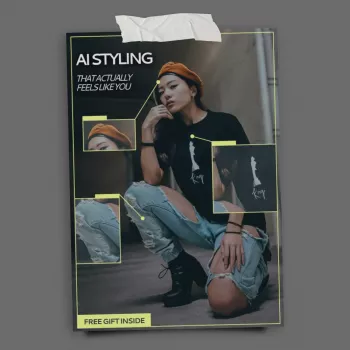
If you want a structured way to do this without spiraling into endless browsing, the AI Styling That Actually Feels Like You download keeps the process focused: clarify your rules, build formulas, and shop with fewer regrets.
FAQ
Does this work if the closet is small or still being built?
Yes. Start by extracting your style rules and outfit formulas first, then use the checklist to prioritize a few high-impact purchases that unlock the most combinations.
Do AI styling suggestions replace a stylist?
No. AI is best for generating options and spotting patterns, while a guide and checklist help you curate those ideas into a consistent personal style that fits real-life needs.
What do you need to use the guide effectively?
You’ll need a device to view the download, a quick closet scan, a few reference outfits or inspiration images, and a willingness to test outfits in front of a mirror and adjust based on what feels right.
Recommended for you

Was this article helpful?
Yes
No









Leave a comment