-
Shop
- Advanced Technologies
- AI Skills for Creators & Freelancers
- AI Client Management
- AI Ethics
- AI Mindset
- AI Tools & Prompts
- AI Writing & Content Creation
- Audio, Voice & Music
- Design & Visual Creation
- Email, Messaging & Communication
- Freelancing & Business
- Marketing, Ads & Conversion
- Productivity, Workflow & Automation
- SEO & Search Optimization
- Social Media Content & Growth
- Strategy, Planning & Analytics
- Video Creation & Editing
- AI Skills Mastery 2026 Collection
- Bathroom
- Best-Sellers
- Car Accessories
- Confidence
- Dating & Social Skills
- Digital Resources
- Easter Products
- Education & Learning
- Family & Parenting
- Fashion
- Fashion Accessories
- Furniture
- Gadgets
- Health & Beauty
- Health & Wellness
- Home & Garden
- Home Electronics
- Home Supplies
- Jewelry
- Kids & Babies
- Kitchen
- Lighting
- Patio, Lawn & Garden
- Personal Growth
- Pet Care
- Pet Supplies
- Pets
- Shoes
- Smart Home Living Guides
- Sport & Outdoors
- Stress Relief & Relaxation
- Super Deals
- TikTok Growth & Monetization Mastery
- Travel
- Travel & Adventure
- Wealth
- Wellness
Eat Well on Less: No-Hunger Grocery Budget Checklist
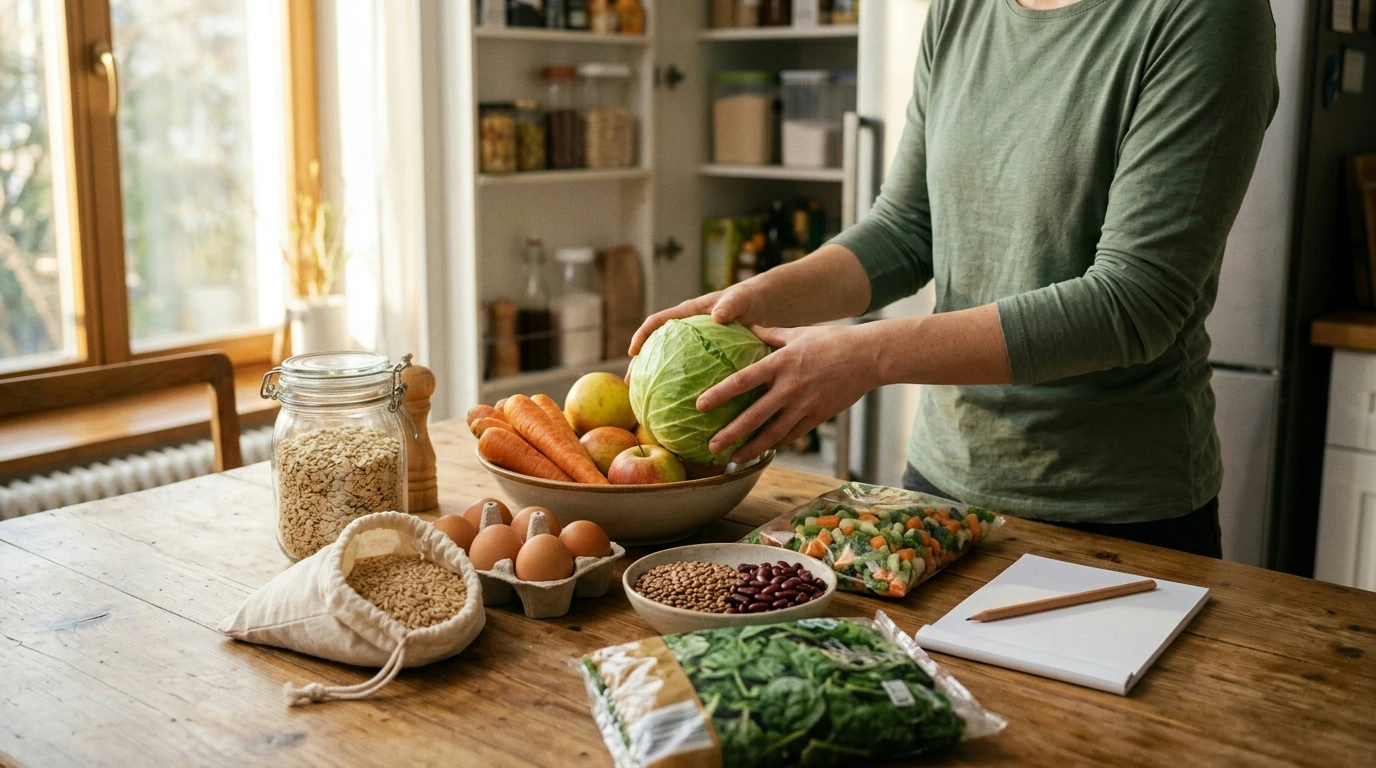
Budget Like a Pro Without Going Hungry: A Practical Checklist for Real-Life Meals
Food costs can spiral when meals are unplanned, snacks are impulse-bought, and “quick fixes” replace groceries. A simple checklist approach keeps spending predictable while protecting meal satisfaction—so the budget holds without cutting portions or skipping nutrition. If you want a fast way to stay consistent, a printable Budget Like a Pro Without Going Hungry Checklist can make the whole routine easier to repeat week after week.
What “not going hungry” budgeting actually means
Saving money on groceries works best when the goal is “steady fullness,” not “eat as little as possible.” The most reliable plans reduce the need for last-minute spending.
- Plan around fullness: Prioritize protein, fiber, and healthy fats in each main meal so you’re not hunting for extra snacks later.
- Protect meal frequency: Keep a baseline of breakfast, lunch, and dinner (or whatever your work/school schedule needs) so hunger doesn’t drive takeout.
- Spend on staples first, extras last: Buy groceries that build multiple meals before treats and specialty items.
- Use a repeatable system: A checklist holds up better than motivation and prevents “start over Monday” spending.
For simple balanced-plate guidance, reputable references like USDA MyPlate and Harvard’s Healthy Eating Plate can help you aim for meals that satisfy without requiring pricey ingredients.
The 10-minute setup before shopping
Before you open a grocery app or step into a store, run a quick setup. This is where most savings happen.
- Pick one weekly budget number and a shopping day to avoid multiple smaller trips that quietly add up.
- Check pantry, fridge, and freezer for “already paid for” meals: grains, canned goods, frozen vegetables, broth, eggs, and leftovers.
- Choose 2–3 core proteins to use across multiple meals (chicken thighs, beans/lentils, eggs, tofu, canned fish).
- Select 2 big sides that stretch (rice, pasta, potatoes, oats, tortillas, bread), then build variety with sauces and spices.
- Decide on 3 no-cook backups for busy days (yogurt + fruit + oats; tuna sandwich; frozen stir-fry kit + eggs).
Keeping the plan visible reduces decision fatigue. Many people pair the food checklist with other “tiny routines” that keep life on track—like stocking basics and replacing worn daily-use items such as a Triple-Sided Ultra-Fine Soft Bristle Toothbrush for Enhanced Oral Health so everyday care doesn’t become another last-minute purchase.
Checklist-driven grocery list that stretches meals
Build your list in layers. When the budget is tight, these layers prevent the cart from filling with “fun but flimsy” food that doesn’t make full meals.
- Staple base: Rice, pasta, or oats plus a versatile bread or tortillas for quick meals.
- Protein anchors: Eggs, beans/lentils, chicken thighs, ground turkey, tofu, canned tuna/sardines—choose what fits preferences and prices.
- Fiber and volume: Frozen vegetables, cabbage, carrots, onions, canned tomatoes, and bananas/apples (often lower cost per serving).
- Flavor builders: Garlic, bouillon, soy sauce, hot sauce, mustard, peanut butter, herbs/spices—small cost, big variety.
- Snacks that prevent splurges: Popcorn kernels, yogurt, hummus, or portioned cheese—aim for planned snacks instead of impulse purchases.
If you’re stocking up, prioritize items that can “shift roles.” For example: canned tomatoes become pasta sauce, chili base, or soup starter; cabbage becomes slaw, stir-fry, or soup volume; oats become breakfast, baking, or yogurt mix-ins.
A weekly meal map that prevents last-minute spending
A meal map is less about strict rules and more about removing the daily “what’s for dinner?” stress that leads to expensive choices.
- Use themes: Pasta night, taco night, soup night—simple patterns that still allow variety.
- Cook once, eat twice: Plan at least 2 meals that intentionally create leftovers for lunches.
- Schedule a flex night: Use leftovers or pantry meals to prevent end-of-week waste.
- Balance effort: Pair one higher-effort cook (like a sheet-pan meal) with easy wins (sandwiches, salads, breakfast-for-dinner).
| Day | Main meal | Low-effort backup if plans change |
|---|---|---|
| Mon | Rice bowl with beans/veg + sauce | Eggs + toast + fruit |
| Tue | Pasta with canned tomatoes + protein | Tuna sandwich + carrots |
| Wed | Sheet-pan chicken/tofu + potatoes + veg | Frozen veg stir-fry + eggs |
| Thu | Soup/chili using leftovers + bread | Yogurt + oats + banana |
| Fri | Tacos/wraps with cabbage slaw | Peanut butter toast + milk/yogurt |
| Sat | Leftover remix (bowl, wrap, or fried rice) | Pantry pasta + bouillon veggies |
| Sun | Cook-ahead batch (beans, grains, roast veg) | Rotisserie-style shortcut protein (if budgeted) |
Portion and fullness checks (so the plan holds)
If you want more support building a routine around planning and prep, the Academy of Nutrition and Dietetics offers practical meal-planning guidance here: Meal Planning.
At the store: rules that cut the bill without cutting meals
The checklist tool: keep it on the fridge or phone
If you’d rather not build your own template from scratch, the Budget Like a Pro Without Going Hungry Checklist is a quick, low-cost way to lock in the habit and keep grocery trips focused.
FAQ
How can meals stay filling on a tight grocery budget?
Build meals around protein plus fiber (beans, eggs, yogurt, chicken thighs, tofu), then add low-cost volume with frozen vegetables, cabbage, and soup-style meals. Planning a couple of snacks also helps prevent expensive convenience purchases.
What should be on a grocery checklist to avoid takeout?
Include 2–3 core proteins, 2 starch bases (like rice and tortillas), frozen vegetables, a few fast sauces, and three no-cook or 10-minute backup meals. Those backups are what keep busy nights from turning into delivery.
How many times per week should groceries be shopped to save money?
Once per week is a strong default, with an optional small restock if needed for milk, produce, or bread. Fewer trips reduce impulse buys and make it easier to use perishables before they spoil.
Recommended for you



Was this article helpful?
Yes
No









Leave a comment