-
Shop
- Advanced Technologies
- AI Skills for Creators & Freelancers
- AI Client Management
- AI Ethics
- AI Mindset
- AI Tools & Prompts
- AI Writing & Content Creation
- Audio, Voice & Music
- Design & Visual Creation
- Email, Messaging & Communication
- Freelancing & Business
- Marketing, Ads & Conversion
- Productivity, Workflow & Automation
- SEO & Search Optimization
- Social Media Content & Growth
- Strategy, Planning & Analytics
- Video Creation & Editing
- AI Skills Mastery 2026 Collection
- Bathroom
- Best-Sellers
- Car Accessories
- Confidence
- Dating & Social Skills
- Digital Resources
- Easter Products
- Education & Learning
- Family & Parenting
- Fashion
- Fashion Accessories
- Furniture
- Gadgets
- Health & Beauty
- Health & Wellness
- Home & Garden
- Home Electronics
- Home Supplies
- Jewelry
- Kids & Babies
- Kitchen
- Lighting
- Patio, Lawn & Garden
- Personal Growth
- Pet Care
- Pet Supplies
- Pets
- Shoes
- Smart Home Living Guides
- Sport & Outdoors
- Stress Relief & Relaxation
- Super Deals
- TikTok Growth & Monetization Mastery
- Travel
- Travel & Adventure
- Wealth
- Wellness
Spend Less Without Feeling Deprived: Printable Checklist
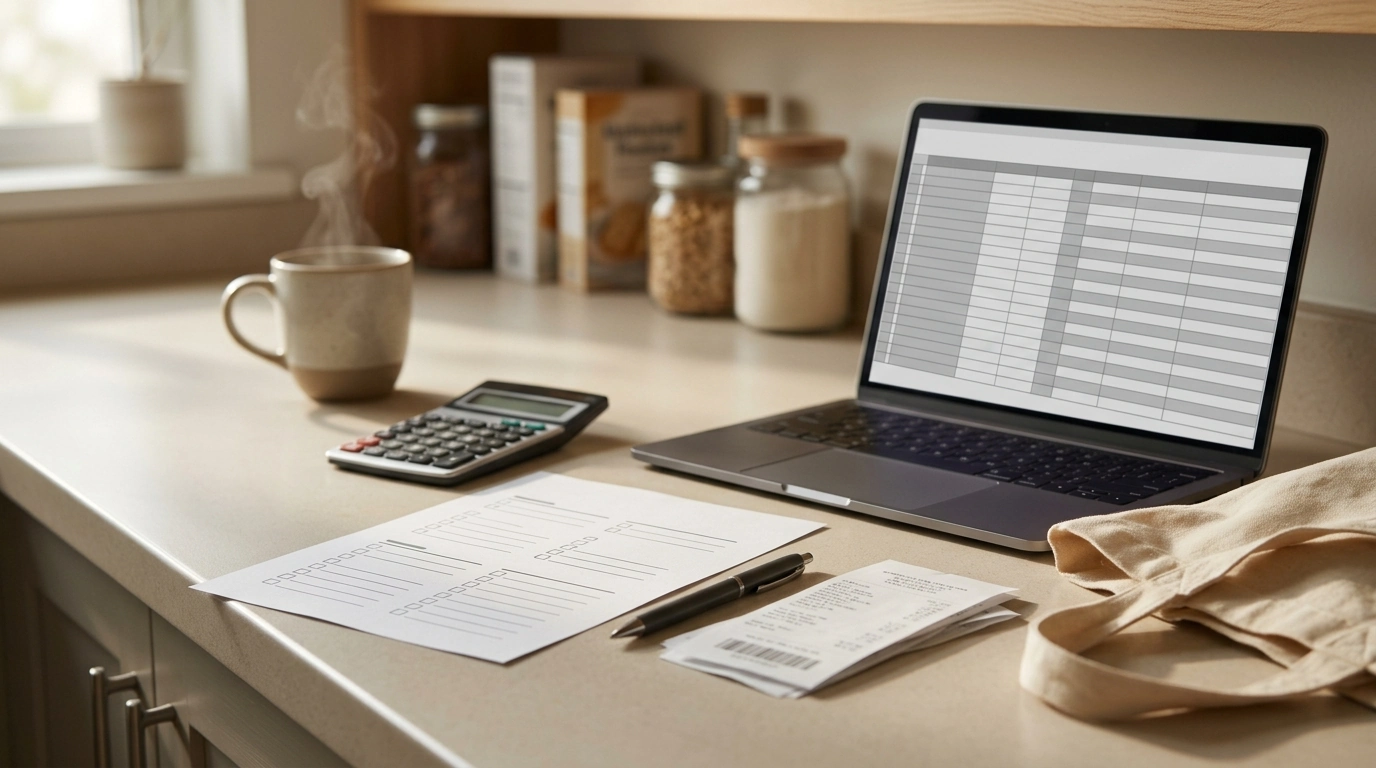
Live Well, Spend Less: A Printable Checklist for Smarter Everyday Choices
Small, repeatable decisions shape monthly spending more than occasional big cuts. A simple checklist system turns “good intentions” into visible actions across groceries, bills, subscriptions, and daily habits—without requiring a complicated budget. This guide explains how to use a printable planner to spot leaks, prioritize high-impact steps, and build an affordable routine that still feels good to live with. For more guidance, see Cutting Back and Keeping Up When Money is Tight.
Why a checklist beats relying on willpower
Willpower is unreliable on busy days—exactly when convenience spending tends to spike. A checklist creates a consistent “default” that guides choices when energy is low and time is short. For further reading, see Making a Budget.
- Creates a single place to capture spending triggers, planned swaps, and reminders.
- Reduces decision fatigue by turning recurring choices into pre-decided steps.
- Builds momentum through quick wins (cancel, renegotiate, swap) that compound over time.
- Makes progress visible with checkmarks, weekly reviews, and monthly rollups.
If you want a reliable starting point, The Live Well, Spend Less Checklist (digital download) is designed to turn everyday money choices into a simple routine you can repeat weekly.
What’s inside the Live Well, Spend Less checklist planner
The best planning tools don’t ask for perfection—they ask for consistency. This checklist format keeps attention on essentials first, then adds a few practical upgrades that make the plan easier to follow.
- Daily and weekly prompts that focus on essentials first, then lifestyle upgrades.
- Categories that commonly hide overspending: subscriptions, groceries, convenience spending, and utilities.
- Space for rules that fit real life (for example: “takeout only on Fridays” or “24-hour pause for non-essentials”).
- Designed for printing at home and reusing as a repeatable routine.
Checklist areas and what to track
| Checklist area | What to check | Example action |
|---|---|---|
| Subscriptions | Any unused or duplicated services | Cancel one app; keep the one used weekly |
| Groceries | Planned meals vs. impulse buys | Shop with a short list; add 1 flexible “pantry meal” |
| Bills | Rates, fees, and due dates | Set autopay for essentials; call to lower one bill |
| Convenience spending | Coffee, snacks, delivery, ride shares | Choose a weekly cap and one “treat day” |
| Utilities | Seasonal usage patterns | Adjust thermostat by 1–2° and seal drafts |
| Goals | Savings target and timeline | Automate a small transfer on payday |
Set up in 10 minutes: print, pick a focus, start small
The fastest way to make a planner work is to avoid “all-or-nothing” setup. Start with a short runway and one area that delivers noticeable results.
- Print the pages needed for the next 7 days rather than committing to a full month immediately.
- Choose one focus area for the first week (common picks: groceries or subscriptions).
- Add a single rule that reduces friction (for example: “carry snacks” or “no checkout aisle extras”).
- Put the checklist where decisions happen: kitchen counter, wallet, or phone notes (photo of the page).
A simple weekly rhythm that keeps spending predictable
Predictable spending usually comes from quick check-ins, not long budgeting sessions. A checklist rhythm keeps you aware without making money management feel like a second job.
- Daily (2 minutes): Check off no-spend choices, planned purchases, and any “oops” spending without judgment.
- Twice weekly (5 minutes): Scan upcoming calendar events that trigger extra spending (social plans, school needs, travel).
- Weekly reset (15 minutes): Review totals, update the next week’s focus, and choose one upgrade that makes the plan easier.
- Monthly (20 minutes): Renegotiate one bill, evaluate subscriptions, and set next month’s realistic target.
For general budgeting fundamentals and examples, reliable references include the Consumer Financial Protection Bureau’s budgeting guidance and USA.gov’s expense-cutting overview.
High-impact money-saving steps that still feel livable
Cutting costs doesn’t have to mean cutting joy. The most sustainable approach is to protect what matters while trimming the parts that don’t add much value.
Some “livable upgrades” are inexpensive but reduce friction. For example, keeping a spare item in a bag or car can prevent last-minute convenience purchases. A small household essential like the Triple-Sided Ultra-Fine Soft Bristle Toothbrush for Enhanced Oral Health can support routine consistency without a big price tag, and a practical tool like the Universal Car Steering Wheel Phone Mount for Safe Navigation can reduce “on-the-go” stress that often leads to extra spending.
Common sticking points and how the checklist solves them
Digital download tips: print, reuse, and stay consistent
Get the checklist and start your first week
If you’re ready to begin, The Live Well, Spend Less Checklist (digital download) makes it easy to print a week, pick a focus, and start checking off progress immediately.
FAQ
How does a checklist help more than a traditional budget?
A checklist focuses on repeatable actions and decision points—habits, reminders, and common spending triggers—rather than trying to forecast every number perfectly. It makes behavior visible and easier to maintain week to week.
Can this work if income and expenses change month to month?
Yes. Use a weekly focus and rolling review to track real patterns, then update rules or caps based on the next 7–14 days instead of relying on fixed monthly assumptions.
What should be the first category to tackle for quick results?
Subscriptions, groceries, and convenience spending usually deliver the fastest wins. Start with the category that has the most frequent decisions or the easiest cancellations so you can build momentum.
Recommended for you



Was this article helpful?
Yes
No









Leave a comment