-
Shop
- Advanced Technologies
- AI Skills for Creators & Freelancers
- AI Client Management
- AI Ethics
- AI Mindset
- AI Tools & Prompts
- AI Writing & Content Creation
- Audio, Voice & Music
- Design & Visual Creation
- Email, Messaging & Communication
- Freelancing & Business
- Marketing, Ads & Conversion
- Productivity, Workflow & Automation
- SEO & Search Optimization
- Social Media Content & Growth
- Strategy, Planning & Analytics
- Video Creation & Editing
- AI Skills Mastery 2026 Collection
- Bathroom
- Best-Sellers
- Car Accessories
- Confidence
- Dating & Social Skills
- Digital Resources
- Easter Products
- Education & Learning
- Family & Parenting
- Fashion
- Fashion Accessories
- Furniture
- Gadgets
- Health & Beauty
- Health & Wellness
- Home & Garden
- Home Electronics
- Home Supplies
- Jewelry
- Kids & Babies
- Kitchen
- Lighting
- Patio, Lawn & Garden
- Personal Growth
- Pet Care
- Pet Supplies
- Pets
- Shoes
- Smart Home Living Guides
- Sport & Outdoors
- Stress Relief & Relaxation
- Super Deals
- TikTok Growth & Monetization Mastery
- Travel
- Travel & Adventure
- Wealth
- Wellness
Budget Home Refresh: Layout, Lighting & Layers That Work
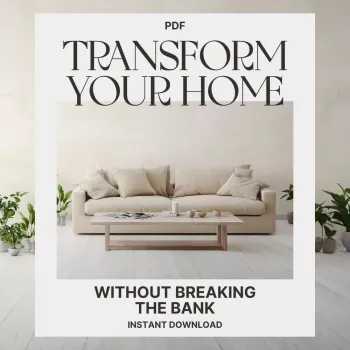
A Budget-Friendly Home Refresh That Still Looks Intentional
A home update doesn’t have to start with a big cart or a full renovation. The biggest visual wins usually come from editing what’s already there, making a simple plan, and spending in the few places that change the “feel” of a room fast—light, layout, and layers. Below is a practical, low-cost refresh approach you can follow room by room, plus a guided resource for keeping decisions (and spending) under control.
Start With a Quick Reset: Declutter, Clean, and “Shop” Your Own Rooms
If a space feels “off,” it’s often because there’s too much visual input competing for attention. A reset makes every later change look more expensive.
- Clear flat surfaces first (coffee table, counters, nightstands). Instantly reducing visual noise makes the room feel bigger and calmer.
- Pull everything off one wall or one shelf, then put back only what supports the mood of the room (cozy, bright, minimal, collected).
- Create a “maybe” box for items that feel dated. Store it out of sight for two weeks before deciding—distance makes choices easier.
- Move one decor piece from a less-used room into the main space to create a new focal point for free.
- Group by consistent materials within each room (wood tones, metals, textiles). Even mismatched items look more curated when the finishes feel intentional.
Refresh the Layout Before Buying Anything
Layout is the fastest “designer” upgrade because it changes how the room functions and where the eye lands—without spending a dollar.
- Define the room’s purpose in one sentence (reading corner, family hangout, calm bedroom). Remove items that fight that purpose.
- Anchor seating around a focal point (window, fireplace, TV wall) and keep pathways open so the room feels effortless to move through.
- Do a 24-hour test: live with the new arrangement for a day before committing. You’ll notice pinch points quickly.
- Adjust “tight vs. float” strategically. If floating furniture improves circulation, do it; if it steals walking space, keep key pieces closer to walls.
- Balance height around the room (tall plant, floor lamp, bookshelf) so the eye doesn’t stop awkwardly in one corner.
Spend Small for Big Impact: Light, Textiles, and Hardware
When you do spend, choose updates that shift the atmosphere quickly. Think warmth, softness, and a few crisp details.
- Lighting: swap to warmer bulbs (often 2700K–3000K) to make rooms feel more inviting without changing fixtures. For energy-saving options, see ENERGY STAR lighting guidance.
- Textiles: add one cohesive layer—curtains, a throw, or pillow covers—to unify colors and make the space feel “finished.”
- Rugs: reposition an existing rug or layer a smaller neutral rug over a worn one to add depth and disguise flaws.
- Hardware: updating cabinet pulls or door handles can modernize a kitchen or bath on a controlled budget (just confirm sizing before ordering).
- Plants: real or quality faux greenery softens hard lines; group in odd numbers for a more natural look.
Quick safety note: if you’re moving lamps, cords, or heavy decor, take a moment to reduce trip hazards and secure unstable items—especially in high-traffic pathways. The U.S. Consumer Product Safety Commission has practical home safety reminders.
Choose a Simple Color Plan That Makes Everything Look Coordinated
A tight color plan makes older items look more intentional because the room reads as one story instead of a collection of random purchases.
- Use a 3-color approach: one base neutral, one secondary tone, and one accent color repeated 2–3 times.
- Try “repeat and echo”: repeat a color from art in a pillow, then echo it again in a small decor item.
- Paint strategically (not everywhere): if walls stay the same, paint one small element like a door, shelf back panel, or an old frame.
- Limit competing patterns: one bold pattern plus small-scale patterns or solids reads calmer and more elevated.
- Match metal finishes within sightlines: keep adjacent rooms to one primary finish (you can mix, but do it deliberately).
Low-Cost Updates and Their Visual Payoff
| Update | Typical Cost Range | Best For | Fastest Result |
|---|---|---|---|
| Swap light bulbs to warm tone | $5–$20 | Making spaces feel cozier | Immediate |
| New pillow covers / throw blanket | $15–$60 | Refreshing sofa or bed | Under 30 minutes |
| Rehang curtains higher/wider | $0–$20 | Making windows look larger | Same day |
| Update cabinet hardware | $20–$120 | Modernizing kitchen/bath | One afternoon |
| Frame printable art / refresh frames | $10–$80 | Filling blank walls with intention | Same day |
| Rearrange furniture + edit decor | $0 | Improving flow and function | Immediate |
Create “Zones” to Make Any Room Feel More Designed
Zoning is a designer trick that works in small apartments and open floor plans. It creates clarity: each area has a job, so the whole room feels intentional.
A Step-by-Step Plan for Updating Decor With Minimal Cost
A Practical Resource to Keep the Budget on Track
- Triple-Sided Ultra-Fine Soft Bristle Toothbrush for Enhanced Oral Health
- Universal Car Steering Wheel Phone Mount for Safe Navigation
FAQ
What are the cheapest ways to make a room look updated?
Declutter and edit surfaces first, then rearrange furniture for better flow. Warm light bulbs and refreshed textiles (pillow covers or a throw) add comfort fast, and properly framed or repositioned art makes walls feel intentional.
How can decor look cohesive when buying items over time?
Use a simple three-color plan and repeat one accent color in a few places. Keep materials consistent within a room (similar woods/metals) and limit competing patterns so the space reads as one coordinated look.
What should be updated first when the budget is tight?
Start with layout and lighting because they change the feel of a room immediately without major purchases. Next, add or adjust textiles; wait on bigger buys until the room’s purpose and color plan are clear.
Recommended for you


Was this article helpful?
Yes
No









Leave a comment