-
Shop
- Advanced Technologies
- AI Skills for Creators & Freelancers
- AI Client Management
- AI Ethics
- AI Mindset
- AI Tools & Prompts
- AI Writing & Content Creation
- Audio, Voice & Music
- Design & Visual Creation
- Email, Messaging & Communication
- Freelancing & Business
- Marketing, Ads & Conversion
- Productivity, Workflow & Automation
- SEO & Search Optimization
- Social Media Content & Growth
- Strategy, Planning & Analytics
- Video Creation & Editing
- AI Skills Mastery 2026 Collection
- Bathroom
- Best-Sellers
- Car Accessories
- Confidence
- Dating & Social Skills
- Digital Resources
- Easter Products
- Education & Learning
- Family & Parenting
- Fashion
- Fashion Accessories
- Furniture
- Gadgets
- Health & Beauty
- Health & Wellness
- Home & Garden
- Home Electronics
- Home Supplies
- Jewelry
- Kids & Babies
- Kitchen
- Lighting
- Patio, Lawn & Garden
- Personal Growth
- Pet Care
- Pet Supplies
- Pets
- Shoes
- Smart Home Living Guides
- Sport & Outdoors
- Stress Relief & Relaxation
- Super Deals
- TikTok Growth & Monetization Mastery
- Travel
- Travel & Adventure
- Wealth
- Wellness
Stainless Steel BBQ Grills: Pros, Cons & Best Uses
Is stainless steel good for a barbecue grill?
Stainless steel is a strong, reliable choice for a barbecue grill—especially for parts that face heat, grease, and weather. It resists rust better than plain steel, holds up to repeated high-heat cooks, and cleans up more easily than many coated surfaces. That makes it popular for grill grates, burners, heat shields, and accessories like grill plates.
The biggest advantage is durability with low maintenance. Stainless steel won’t chip like some coatings can, and it’s less likely to flake over time. It’s also non-reactive, so it won’t impart metallic flavors to food when it’s properly heated and cleaned.
What to watch for with stainless steel grills
Not all stainless steel is the same. Higher-grade stainless (often 304) generally handles moisture and salt air better than lower grades (often 430), which can discolor or surface-rust more easily. Even high-quality stainless can develop heat tint, spots, or minor staining—these are usually cosmetic and can be minimized by drying after cleaning and avoiding harsh chlorine-based cleaners.
Stainless also doesn’t retain heat quite like thick cast iron, so performance depends on thickness and design. Heavier grates and well-built components tend to deliver better sear marks and more stable temperatures.
Great use case: stainless steel grill plates
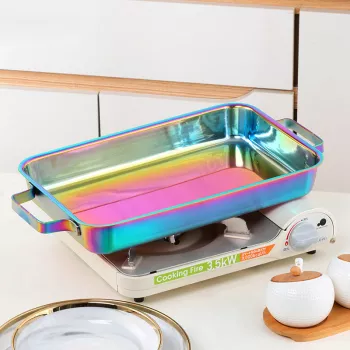
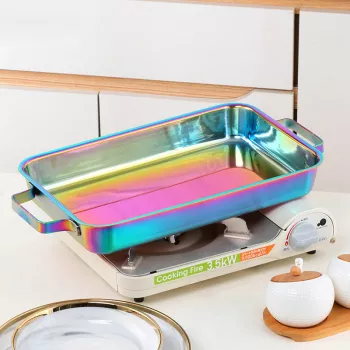
If you cook delicate foods (seafood, chopped vegetables, smaller cuts) a stainless steel grill plate can be a practical add-on. It provides a flatter surface that helps prevent sticking and keeps pieces from falling through grates while still letting you cook over high heat. For details on choosing and using a stainless rectangular grill plate, see this guide to a stainless steel grill plate for BBQ and oven cooking.
For Stainless Steel BBQ Grills: Pros, Cons & Best Uses, the best answer depends on fit, material, care instructions, and how the product will be used day to day.
FAQ
How do you keep stainless steel grill grates from sticking?
Preheat the grates, then lightly oil the grates (or the food) before cooking. Let food sear before flipping; it releases more easily once it’s browned.
Recommended for you


Was this article helpful?
Yes
No









Leave a comment