-
Shop
- Advanced Technologies
- AI Skills for Creators & Freelancers
- AI Client Management
- AI Ethics
- AI Mindset
- AI Tools & Prompts
- AI Writing & Content Creation
- Audio, Voice & Music
- Design & Visual Creation
- Email, Messaging & Communication
- Freelancing & Business
- Marketing, Ads & Conversion
- Productivity, Workflow & Automation
- SEO & Search Optimization
- Social Media Content & Growth
- Strategy, Planning & Analytics
- Video Creation & Editing
- AI Skills Mastery 2026 Collection
- Bathroom
- Best-Sellers
- Car Accessories
- Confidence
- Dating & Social Skills
- Digital Resources
- Easter Products
- Education & Learning
- Family & Parenting
- Fashion
- Fashion Accessories
- Furniture
- Gadgets
- Health & Beauty
- Health & Wellness
- Home & Garden
- Home Electronics
- Home Supplies
- Jewelry
- Kids & Babies
- Kitchen
- Lighting
- Patio, Lawn & Garden
- Personal Growth
- Pet Care
- Pet Supplies
- Pets
- Shoes
- Smart Home Living Guides
- Sport & Outdoors
- Stress Relief & Relaxation
- Super Deals
- TikTok Growth & Monetization Mastery
- Travel
- Travel & Adventure
- Wealth
- Wellness
Money vs Recognition: What Motivates Employees Most?
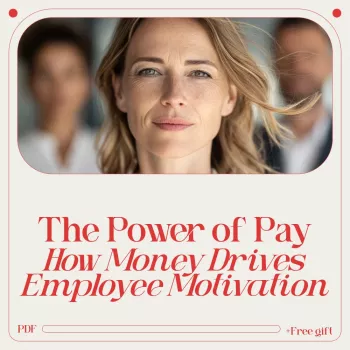
How does money motivate employees compared to recognition and praise?
Money motivates employees by making the deal feel fair and worthwhile. Competitive pay reduces stress, signals that the role is valued, and can push short-term effort—especially when goals are clear and the reward is timely. It’s also the fastest lever for attracting and retaining talent when the market is hot.
Recognition and praise motivate differently: they strengthen identity and belonging. A sincere “thank you,” public shout-out, or note that highlights a specific contribution can increase pride, trust, and commitment—often with longer-lasting effects than a one-time cash boost. Recognition works best when it’s immediate, specific, and tied to outcomes the employee can control.
The key difference is that money is primarily transactional, while recognition is relational. Pay answers “Is this worth my time?” Recognition answers “Do I matter here?” When pay is too low, praise can feel hollow. When pay is strong, recognition often becomes the differentiator that keeps top performers engaged and loyal.
Money can also backfire when it crowds out intrinsic motivation or encourages people to chase the metric instead of the mission. For example, aggressive bonuses can unintentionally reward speed over quality, discourage collaboration, or lead to riskier decisions. Recognition has its own pitfalls too—generic praise, favoritism, or inconsistent standards can erode trust.
A balanced approach usually wins: ensure pay is fair and predictable, then layer recognition frequently and thoughtfully. For a deeper look at when pay motivates—and when it can cause unintended consequences—see this guide on how pay motivates employees and when it backfires.
For Money vs Recognition: What Motivates Employees Most?, the best answer depends on fit, material, care instructions, and how the product will be used day to day.
Checking those details first helps avoid a poor match and keeps the choice practical after delivery.
FAQ
What are examples of non-monetary incentives that work?
Extra schedule flexibility, growth opportunities, meaningful project ownership, and public recognition are common non-cash motivators. They work best when matched to what the employee personally values.
Recommended for you


Was this article helpful?
Yes
No









Leave a comment