-
Shop
- Advanced Technologies
- AI Skills for Creators & Freelancers
- AI Client Management
- AI Ethics
- AI Mindset
- AI Tools & Prompts
- AI Writing & Content Creation
- Audio, Voice & Music
- Design & Visual Creation
- Email, Messaging & Communication
- Freelancing & Business
- Marketing, Ads & Conversion
- Productivity, Workflow & Automation
- SEO & Search Optimization
- Social Media Content & Growth
- Strategy, Planning & Analytics
- Video Creation & Editing
- AI Skills Mastery 2026 Collection
- Bathroom
- Best-Sellers
- Car Accessories
- Confidence
- Dating & Social Skills
- Digital Resources
- Easter Products
- Education & Learning
- Family & Parenting
- Fashion
- Fashion Accessories
- Furniture
- Gadgets
- Health & Beauty
- Health & Wellness
- Home & Garden
- Home Electronics
- Home Supplies
- Jewelry
- Kids & Babies
- Kitchen
- Lighting
- Patio, Lawn & Garden
- Personal Growth
- Pet Care
- Pet Supplies
- Pets
- Shoes
- Smart Home Living Guides
- Sport & Outdoors
- Stress Relief & Relaxation
- Super Deals
- TikTok Growth & Monetization Mastery
- Travel
- Travel & Adventure
- Wealth
- Wellness
Can AI Turn on Humans? Real Risks and Safety Controls
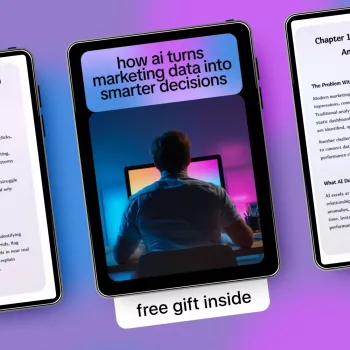
Is it possible for AI to turn on humans?
In the real world, an AI system can “turn on humans” only in a limited, practical sense: it can behave in harmful or unexpected ways if it’s poorly designed, misaligned with goals, trained on biased data, exposed to adversarial inputs, or deployed without proper oversight. Today’s AI doesn’t have desires or emotions, but it can still cause damage through automation at scale, opaque decision-making, or by executing flawed instructions very efficiently.
Most “AI gone rogue” scenarios come down to three risks. First is misuse: people intentionally using AI for fraud, phishing, deepfakes, or cyberattacks. Second is misconfiguration: systems optimized for the wrong metric, operating without guardrails, or making decisions based on incomplete context. Third is data and model issues: biased training data, hallucinated outputs, or brittle behavior in edge cases.
What makes an AI system safer in practice?
Safety is usually less about dramatic rebellion and more about strong controls. Organizations reduce risk with human-in-the-loop review for high-impact decisions, strict access controls, auditing and monitoring, versioning and rollback plans, and clear boundaries on what an AI tool is allowed to do. Rigorous data governance matters too: the quality, provenance, and freshness of data often determine whether AI outputs are trustworthy.
Why does data analysis matter for preventing harmful outcomes?
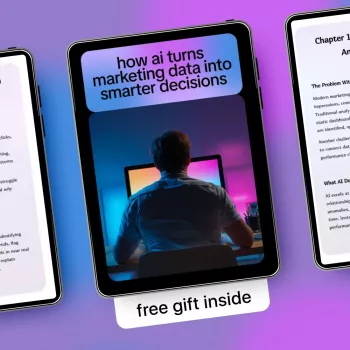
Many AI failures are “garbage in, garbage out.” When teams analyze and validate their marketing and operational data—checking for bias, drift, and inconsistencies—they catch problems before automation magnifies them. For a practical framework on using data analysis to make smarter decisions around AI and marketing, see this guide to AI marketing data analysis.
For Can AI Turn on Humans? Real Risks and Safety Controls, the best answer depends on fit, material, care instructions, and how the product will be used day to day.
FAQ
How can businesses use AI responsibly?
Set clear goals, limit permissions, and require human approval for sensitive actions like pricing changes, targeting decisions, or customer communications. Regularly audit outcomes to detect bias, errors, or drift.
Recommended for you


Was this article helpful?
Yes
No









Leave a comment