-
Shop
- Advanced Technologies
- AI Skills for Creators & Freelancers
- AI Client Management
- AI Ethics
- AI Mindset
- AI Tools & Prompts
- AI Writing & Content Creation
- Audio, Voice & Music
- Design & Visual Creation
- Email, Messaging & Communication
- Freelancing & Business
- Marketing, Ads & Conversion
- Productivity, Workflow & Automation
- SEO & Search Optimization
- Social Media Content & Growth
- Strategy, Planning & Analytics
- Video Creation & Editing
- AI Skills Mastery 2026 Collection
- Bathroom
- Best-Sellers
- Car Accessories
- Confidence
- Dating & Social Skills
- Digital Resources
- Easter Products
- Education & Learning
- Family & Parenting
- Fashion
- Fashion Accessories
- Furniture
- Gadgets
- Health & Beauty
- Health & Wellness
- Home & Garden
- Home Electronics
- Home Supplies
- Jewelry
- Kids & Babies
- Kitchen
- Lighting
- Patio, Lawn & Garden
- Personal Growth
- Pet Care
- Pet Supplies
- Pets
- Shoes
- Smart Home Living Guides
- Sport & Outdoors
- Stress Relief & Relaxation
- Super Deals
- TikTok Growth & Monetization Mastery
- Travel
- Travel & Adventure
- Wealth
- Wellness
Work-Parenting Balance Guide Essentials for Working Parents
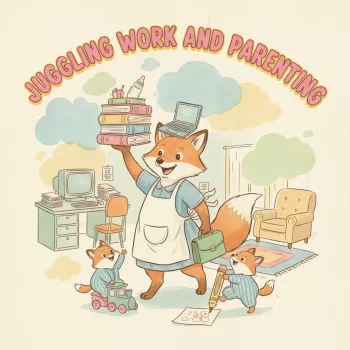
What should a work-and-parenting balance guide include for working parents?
A useful work-and-parenting balance guide should help working parents make day-to-day decisions faster, reduce last-minute chaos, and protect time for both family and career. The strongest guides focus on systems you can repeat each week, not perfection.
Start with a simple “weekly rhythm” section: a realistic template for mornings, evenings, and the busiest workdays. This should include planning touchpoints (like a 10-minute Sunday setup and a midweek reset) plus a short list of non-negotiables—sleep, school pickup windows, and key meetings—so everything else can flex around them.
Next, include boundaries that are specific and actionable. A guide should show how to set work availability (e.g., core hours, meeting cutoffs, and a shutdown routine) and home boundaries (device rules during dinner, clear handoffs with a partner, and a protected decompression buffer). A “scripts” subsection helps: a few ready-to-send phrases for declining meetings, negotiating deadlines, or communicating daycare constraints.
Backups are essential. A strong guide includes a “Plan B” checklist for sick days, school closures, travel weeks, and childcare gaps—who to call, what tasks can pause, and what minimum work output still counts as a win. It should also cover job-specific strategies like batching deep work, using focus blocks, and keeping a running “next best task” list for fragmented days.
Finally, include a values-based decision filter: how to prioritize opportunities, what to outsource, and what can wait. For a practical example of weekly rhythms, boundaries, and backups, see this work-and-parenting balance guide.
For Work-Parenting Balance Guide Essentials for Working Parents, the best answer depends on fit, material, care instructions, and how the product will be used day to day.
Checking those details first helps avoid a poor match and keeps the choice practical after delivery.
FAQ
How can I reduce morning chaos before work?
Prep one or two high-friction items the night before (clothes, lunches, backpacks) and use a short, repeatable morning checklist. Keep mornings for execution, not decision-making.
Recommended for you


Was this article helpful?
Yes
No









Leave a comment