-
Shop
- Advanced Technologies
- AI Skills for Creators & Freelancers
- AI Client Management
- AI Ethics
- AI Mindset
- AI Tools & Prompts
- AI Writing & Content Creation
- Audio, Voice & Music
- Design & Visual Creation
- Email, Messaging & Communication
- Freelancing & Business
- Marketing, Ads & Conversion
- Productivity, Workflow & Automation
- SEO & Search Optimization
- Social Media Content & Growth
- Strategy, Planning & Analytics
- Video Creation & Editing
- AI Skills Mastery 2026 Collection
- Bathroom
- Best-Sellers
- Car Accessories
- Confidence
- Dating & Social Skills
- Digital Resources
- Easter Products
- Education & Learning
- Family & Parenting
- Fashion
- Fashion Accessories
- Furniture
- Gadgets
- Health & Beauty
- Health & Wellness
- Home & Garden
- Home Electronics
- Home Supplies
- Jewelry
- Kids & Babies
- Kitchen
- Lighting
- Patio, Lawn & Garden
- Personal Growth
- Pet Care
- Pet Supplies
- Pets
- Shoes
- Smart Home Living Guides
- Sport & Outdoors
- Stress Relief & Relaxation
- Super Deals
- TikTok Growth & Monetization Mastery
- Travel
- Travel & Adventure
- Wealth
- Wellness
Baby Sleep Data to Log for Better AI Sleep Tracking
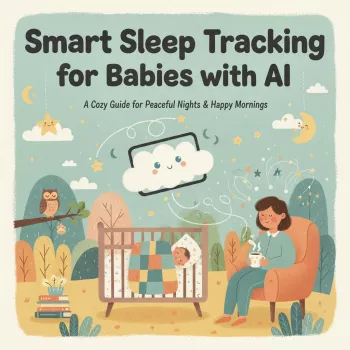
What baby sleep data should I log for an AI sleep-tracking routine to work well?
An AI sleep-tracking routine gets more accurate when the data you log is consistent, specific, and tied to what actually affects your baby’s sleep. Start with the basics, then add a few context signals that explain why a nap ran long, a bedtime shifted, or wake-ups increased.
Core sleep timing (the non-negotiables)
Log each sleep period with a clear start time and end time. Include naps and overnight sleep, plus any notable night wakings (time awake and how long it lasted). If your app supports it, note where the sleep happened (crib, bassinet, contact nap, stroller, car seat) because location can change sleep length and self-settling patterns.
How your baby fell asleep
Record the “sleep onset method” for each sleep: rocked, fed to sleep, pacifier, independent, carrier, or assisted in another way. AI routines use this to connect sleep associations with wake-ups, false starts, and how quickly your baby resettles.
Feeding details that influence sleep stretches
Track feeding times near sleep: last feed before nap/bed, overnight feeds, and whether it was nursing, bottle, or solids (if age-appropriate). You don’t need perfect ounces every time, but consistent timing helps an AI model distinguish hunger wake-ups from habit wake-ups.
Daily rhythm and environment
Add wake time (first morning wake) and bedtime, plus a short note on unusual days: travel, illness symptoms, teething, vaccinations, or a missed nap. If available, log room conditions like darkness/white noise and temperature, especially if sleep varies by room or season.
Quick tips to keep the data “AI-friendly”
Use the same labels every day (for example, always “contact nap” instead of rotating terms). Log events as close to real time as possible. If you can only track a few things, prioritize sleep start/end, night waking duration, and how baby fell asleep.
For a deeper look at building patterns and weekly routines from the data you collect, visit this AI baby sleep tracking guide.
FAQ
How long should I track sleep before an AI routine becomes accurate?
Most routines improve after 7–14 days of consistent logs because that’s enough to capture repeating nap and bedtime patterns, plus typical off-days. Accuracy can increase faster if you log the same data fields every day.
Recommended for you


Was this article helpful?
Yes
No









Leave a comment