-
Shop
- Advanced Technologies
- AI Skills for Creators & Freelancers
- AI Client Management
- AI Ethics
- AI Mindset
- AI Tools & Prompts
- AI Writing & Content Creation
- Audio, Voice & Music
- Design & Visual Creation
- Email, Messaging & Communication
- Freelancing & Business
- Marketing, Ads & Conversion
- Productivity, Workflow & Automation
- SEO & Search Optimization
- Social Media Content & Growth
- Strategy, Planning & Analytics
- Video Creation & Editing
- AI Skills Mastery 2026 Collection
- Bathroom
- Best-Sellers
- Car Accessories
- Confidence
- Dating & Social Skills
- Digital Resources
- Easter Products
- Education & Learning
- Family & Parenting
- Fashion
- Fashion Accessories
- Furniture
- Gadgets
- Health & Beauty
- Health & Wellness
- Home & Garden
- Home Electronics
- Home Supplies
- Jewelry
- Kids & Babies
- Kitchen
- Lighting
- Patio, Lawn & Garden
- Personal Growth
- Pet Care
- Pet Supplies
- Pets
- Shoes
- Smart Home Living Guides
- Sport & Outdoors
- Stress Relief & Relaxation
- Super Deals
- TikTok Growth & Monetization Mastery
- Travel
- Travel & Adventure
- Wealth
- Wellness
Choosing the Best Baby Sleep Monitor for Your Family
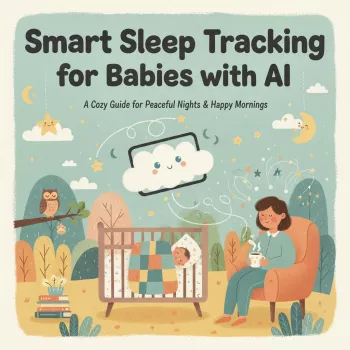
What is the best baby sleep monitor?
The best baby sleep monitor is the one that matches how your family sleeps and what you actually need to track: safety, comfort, habits, or all three. For many parents, a smart monitor that combines clear audio/video with sleep insights (like motion, crying events, room conditions, and trend reports) is the most useful because it helps spot patterns without making bedtime feel like a science project.
When comparing options, prioritize reliable connectivity and low-lag viewing first. A monitor that frequently drops signal or delays audio can create more stress than reassurance. Next, look for night vision clarity, adjustable volume sensitivity, and a dependable power setup (battery backup or clear low-battery alerts) so you’re not troubleshooting at 2 a.m.
Features that tend to matter most
Video + audio quality: Crisp night vision and accurate sound pickup help you distinguish between a quick stir and a true wake-up. A wide-angle lens can reduce blind spots, especially as baby starts rolling and moving around.
Room environment tracking: Temperature and humidity trends can explain sudden wakeups and guide small changes like adjusting layers or a humidifier.
Sleep insights that are easy to act on: The most helpful monitors summarize sleep windows, wake frequency, and soothing attempts in a way that supports consistent routines. For a deeper look at how tracking can reveal patterns and weekly progress, see this guide to baby sleep tracking patterns, routines, and weekly progress.
Privacy and controls: Choose a monitor with strong encryption, two-factor authentication (when available), and clear permissions for multiple caregivers. If you prefer fewer cloud features, consider systems that offer local viewing or a dedicated parent unit.
Wearables vs. camera-only: Wearables can add data points (like movement trends) but should be comfortable, secure, and easy to clean. Camera-only setups are simpler and often more budget-friendly.
FAQ
Do baby sleep monitors help with sleep training?
They can help by showing consistent sleep windows, wake patterns, and environmental factors, making routines easier to adjust. They won’t replace a plan, but they can make your plan more consistent.
Recommended for you


Was this article helpful?
Yes
No









Leave a comment