-
Shop
- Advanced Technologies
- AI Skills for Creators & Freelancers
- AI Client Management
- AI Ethics
- AI Mindset
- AI Tools & Prompts
- AI Writing & Content Creation
- Audio, Voice & Music
- Design & Visual Creation
- Email, Messaging & Communication
- Freelancing & Business
- Marketing, Ads & Conversion
- Productivity, Workflow & Automation
- SEO & Search Optimization
- Social Media Content & Growth
- Strategy, Planning & Analytics
- Video Creation & Editing
- AI Skills Mastery 2026 Collection
- Bathroom
- Best-Sellers
- Car Accessories
- Confidence
- Dating & Social Skills
- Digital Resources
- Easter Products
- Education & Learning
- Family & Parenting
- Fashion
- Fashion Accessories
- Furniture
- Gadgets
- Health & Beauty
- Health & Wellness
- Home & Garden
- Home Electronics
- Home Supplies
- Jewelry
- Kids & Babies
- Kitchen
- Lighting
- Patio, Lawn & Garden
- Personal Growth
- Pet Care
- Pet Supplies
- Pets
- Shoes
- Smart Home Living Guides
- Sport & Outdoors
- Stress Relief & Relaxation
- Super Deals
- TikTok Growth & Monetization Mastery
- Travel
- Travel & Adventure
- Wealth
- Wellness
AI Baby Sleep Tracking: Patterns, Routines & Weekly Progress
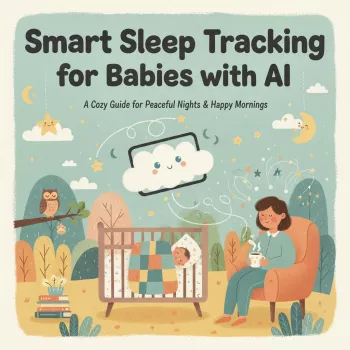
Smart Sleep Tracking for Babies with AI: A Practical Digital Guide for New Parents
Sleep can feel unpredictable in the first months, especially when naps, feedings, and growth spurts blur together. A smart sleep-tracking approach paired with an AI-based digital guide can help turn daily observations into clear patterns—so routines feel calmer, progress is easier to spot, and changes are based on data rather than guesswork.
What “smart” sleep tracking means for a baby
“Smart” sleep tracking isn’t about chasing a perfect schedule—it’s about noticing repeatable patterns that make your baby’s day (and night) smoother. The most useful view is the full 24 hours: total sleep, how naps are distributed, whether bedtime is drifting later, and how long your baby comfortably stays awake between sleeps.
Smart tracking also pairs the “what happened” with the “what you did.” Logging feeds, diaper changes, and soothing methods next to sleep times can reveal what typically works fastest, and what tends to backfire (like stretching wake time too long and triggering overtiredness).
Most importantly, expectations stay age-appropriate. Newborn sleep is irregular and often fragmented; older infants may show clearer rhythms but still have off days. Progress is rarely linear—better nights can be followed by a rough stretch during a growth spurt or skill leap.
Getting set up: what to track in the first 7 days
Before changing routines, capture a simple baseline week. A “good enough” log—accurate to the nearest 5–15 minutes—is usually more helpful than trying to record every detail perfectly.
- Track morning wake time, bedtime, and each nap start/end (approximate ranges are fine).
- Log night wakings and what helped (feeding, rocking, pacifier, diaper, reassurance).
- Note daytime factors that can disrupt sleep: long outings, missed naps, mild illness symptoms, vaccinations, visitors, unusual noise.
- Add quick mood/energy notes (after wake-up, mid-afternoon, bedtime) to connect behavior with timing.
Baseline sleep log checklist (first week)
| Data point | How to record it | Why it matters |
|---|---|---|
| Nap start/end | Time range (e.g., 10:15–11:05) | Shows nap length and daily distribution |
| Bedtime routine start | Clock time | Builds consistency cues for sleep onset |
| Night waking | Time + duration estimate | Reveals patterns and likely causes |
| Feeding timing | Time + type (breast/bottle/solids if applicable) | Helps separate hunger from habit waking |
| Soothing method | What was used + minutes to settle | Identifies what works fastest and most reliably |
Using AI insights without overcorrecting
AI can be excellent at surfacing trends (like bedtime drift or a late-day “sleep debt” pattern), but it’s easy to overreact to a single night. Treat suggestions like hypotheses, not rules.
- Test one change for 3–5 days before judging results, especially if you’re adjusting timing.
- Prioritize high-impact anchors first: a consistent morning wake time, a stable bedtime window, and protecting earlier naps.
- Watch for false signals: one great night may be random; one hard day may be developmental.
- Use trends instead of snapshots: 7-day averages are usually more meaningful than day-to-day comparisons.
- Avoid chasing longer naps at all costs—many babies nap in short cycles. A workable rhythm often matters more than “perfect” nap lengths.
Building a routine that can survive real life
A routine that only works on ideal days won’t last. The goal is a structure that holds steady during errands, family visits, and the occasional nap that falls apart.
- Anchor the day with two fixed points: a consistent morning wake time and a bedtime window.
- Use wake windows as a flexible guide, adjusting based on sleepy cues and how restorative the last nap was.
- Keep a short pre-sleep routine (5–15 minutes): diaper, sleep sack, brief song, same phrase, lights down.
- Build a calming wind-down: dimmer lights, quieter voices, and fewer stimulating activities before naps and bedtime.
- Plan for disruptions: if a nap fails, protect the next sleep opportunity rather than forcing the schedule to “catch up.”
For safe-sleep fundamentals, follow guidance from the American Academy of Pediatrics (AAP) Safe Sleep Recommendations and review SIDS/SUID information from the CDC.
How to monitor progress week to week
Progress is easier to see when you track fewer things consistently. Pick 2–3 metrics and stick to them for a couple of weeks.
If sleep suddenly changes along with signs of illness, pain, or feeding issues, prioritize health guidance over routine tweaks. For a general overview of infant sleep, NIH MedlinePlus is a helpful starting point.
Safety and privacy fundamentals
Digital guide option for structured, step-by-step support
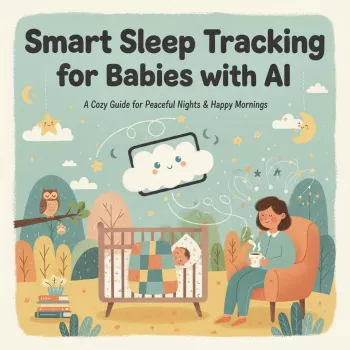
- Smart Sleep Tracking for Babies with AI digital guide (digital): templates for logging, routine-building checklists, and a calm cadence for testing changes one at a time.
- Universal Car Steering Wheel Phone Mount for Safe Navigation: useful for hands-free directions during pediatrician visits or errands when you’re running on short sleep—so you can keep attention on the road.
FAQ
How long does it take to see results after changing a baby’s sleep routine?
Early signals often show up within 3–5 days, especially after small timing adjustments. More reliable trends typically take 10–14 days of consistency, and progress can temporarily stall during illness, growth spurts, or major developmental changes.
What should be tracked if naps are unpredictable?
Track nap start/end as time ranges, keep a consistent morning wake-time anchor, and log when the bedtime routine starts. Note the settling method used so you can see what helps most, and use weekly averages while prioritizing the next sleep opportunity when a nap falls apart.
Is AI sleep tracking safe to rely on for newborns?
AI can help recognize patterns, but it doesn’t replace safe sleep practices or medical guidance. Newborn sleep should always follow safe sleep basics, including placing baby on their back on a firm, flat surface.
Recommended for you


Was this article helpful?
Yes
No









Leave a comment