-
Shop
- Advanced Technologies
- AI Skills for Creators & Freelancers
- AI Client Management
- AI Ethics
- AI Mindset
- AI Tools & Prompts
- AI Writing & Content Creation
- Audio, Voice & Music
- Design & Visual Creation
- Email, Messaging & Communication
- Freelancing & Business
- Marketing, Ads & Conversion
- Productivity, Workflow & Automation
- SEO & Search Optimization
- Social Media Content & Growth
- Strategy, Planning & Analytics
- Video Creation & Editing
- AI Skills Mastery 2026 Collection
- Bathroom
- Best-Sellers
- Car Accessories
- Confidence
- Dating & Social Skills
- Digital Resources
- Easter Products
- Education & Learning
- Family & Parenting
- Fashion
- Fashion Accessories
- Furniture
- Gadgets
- Health & Beauty
- Health & Wellness
- Home & Garden
- Home Electronics
- Home Supplies
- Jewelry
- Kids & Babies
- Kitchen
- Lighting
- Patio, Lawn & Garden
- Personal Growth
- Pet Care
- Pet Supplies
- Pets
- Shoes
- Smart Home Living Guides
- Sport & Outdoors
- Stress Relief & Relaxation
- Super Deals
- TikTok Growth & Monetization Mastery
- Travel
- Travel & Adventure
- Wealth
- Wellness
Modern Kitchen Storage Plan: Zones, Measurements, Reset Rules
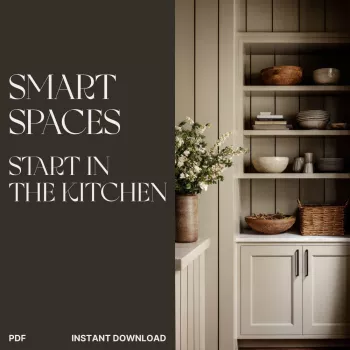
Smart Spaces Start in the Kitchen: Planning Storage That Fits Modern Life
A well-planned kitchen feels calmer, cooks faster, and stays easier to maintain. The key is storage that matches real routines—what gets used daily, what’s seasonal, and what creates friction. The steps below keep it simple: take a quick inventory, measure what you actually have, build zones around your daily flow, choose organizers that fix specific pain points, and set a few rules that stop clutter from creeping back—whether your kitchen is large, compact, or open-plan.
Start with a quick kitchen inventory (without making a bigger mess)
Before buying a single bin, do a fast sweep that reduces volume and reveals what storage needs to do for you.
- Set a timer for 10 minutes. Pull obvious duplicates, expired pantry items, and tools that no longer work.
- Sort by function—not by where things currently live: cooking, baking, coffee/tea, lunch prep, storage containers, snacks, cleaning, hosting/serveware.
- Use three temporary bins (or bags): Keep, Relocate (belongs elsewhere), and Release (donate/recycle/trash).
- Circle the “clutter magnets” you’ll tackle first: countertop piles, the junk drawer, the overstuffed corner cabinet.
- Note accessibility needs now: kids’ items that should be reachable, mobility considerations, and appliances that shouldn’t require heavy lifting.
Measure once, plan twice: map storage capacity and constraints
Organizing is easier when decisions are based on what fits—literally. A few measurements prevent the common cycle of buying organizers that don’t work.
- Record internal cabinet and drawer dimensions (width, depth, height). Note door swing clearance and drawer pull clearance in walkways.
- List fixed obstacles: plumbing under the sink, hood depth, refrigerator door clearance, and awkward corners.
- Spot visibility issues: deep shelves, high cabinets, and dark corners often need pull-outs, risers, turntables, or lighting.
- Create a quick “storage map” of every cabinet/drawer with approximate usable volume.
- Set a realistic goal for open surfaces: decide how much countertop stays clear for daily prep (even a 24–36 inch stretch can change everything).
For kitchen layout standards and planning considerations, the National Kitchen & Bath Association (NKBA) is a reliable reference point.
Design zones around daily flow (not aesthetics alone)
Zones reduce “micro-mess” because items return to the same place every time. Think about where you stand while doing each task, then store items where the action happens.
- Put prep tools near the main work surface, cookware near the stove, and food storage near the fridge.
- Store heavy items between knee and shoulder height to reduce strain and prevent accidents.
- Build a grocery “landing zone”: a clear counter segment or a designated basket system for deliveries.
- Create an easy snack zone (especially helpful for families) that’s simple to reset.
- Limit each zone to what’s used for that task; push rarely used items to higher/harder-to-reach areas.
Kitchen Storage Zone Planner (Example Layout)
| Zone | Keep Here | Best Storage Types | Common Mistake to Avoid |
|---|---|---|---|
| Prep | Knives, cutting boards, mixing bowls, measuring tools | Top drawers, vertical dividers, countertop caddy (minimal) | Storing prep tools across multiple cabinets |
| Cooking | Pots, pans, lids, oils, spices used daily | Deep drawers, lid organizer, pull-out shelf near stove | Overcrowding a single cabinet so items become hard to grab |
| Pantry | Dry goods, snacks, backstock | Clear bins, risers, turntable for sauces, labeled can organizer | Buying containers before measuring shelves |
| Coffee/Tea | Mugs, pods/beans, filters, kettle accessories | Drawer inserts, tray, vertical mug rack | Letting small items spread into multiple drawers |
| Clean-up | Dish soap, sponges, trash bags, dishwasher tabs | Under-sink bins, tension rods for sprays, caddy | Storing chemicals without leak protection or ventilation |
| Hosting | Serveware, placemats, candles, specialty glassware | Upper cabinets, shelf risers, padded dividers | Keeping seldom-used items in prime, easy-reach spots |
Choose storage tools that solve specific problems
Good organizers aren’t about “more stuff.” They’re about removing friction: fewer stacks, fewer avalanches, and less digging.
If your kitchen includes older cabinets or heavy doors, keep safety in mind—especially when storing glass, knives, or bulky appliances. The U.S. Consumer Product Safety Commission offers practical home safety guidance that’s worth a quick scan.
Declutter with rules that keep the kitchen from rebounding
Make it work in small and open-plan kitchens
A ready-to-use planning template for smarter kitchen storage
For a structured, step-by-step template that’s easy to follow, see Smart Spaces Start in the Kitchen — Digital Download.
Helpful picks for modern routines
- Smart Spaces Start in the Kitchen — A Practical Guide on How to Plan Kitchen Storage for Modern Homes | Digital Download for Decluttering, Organizing & Designing Smarter Kitchens (a practical plan you can reuse when seasons, family needs, or layouts change)
- Universal Car Steering Wheel Phone Mount for Safe Navigation (useful for hands-free directions during grocery runs and errands)
- Armani Exchange Men’s Sneakers (a comfortable option for long days that bounce between cooking, hosting, and on-the-go tasks)
FAQ
What is the best order to organize a kitchen so it stays organized?
Declutter obvious duplicates and expired items first, then measure your storage spaces and define zones (prep, cooking, pantry, clean-up). Assign homes for daily-use items before labeling, and finish with a short nightly reset routine to keep it from drifting.
How do you organize kitchen cabinets without buying lots of organizers?
Rezone items by function and use what you already have (sturdy trays, small boxes) to create categories. Store flat items vertically, keep like items together, and add only one organizer at a time to solve a specific, repeated problem.
Where should pots, pans, and lids be stored?
Store cookware close to the stove in deep drawers or low cabinets, with heavy pieces kept between knee and shoulder height. Keep lids upright in a divider or rack so they don’t stack, topple, or disappear behind pans.
Recommended for you


Was this article helpful?
Yes
No









Leave a comment