-
Shop
- Advanced Technologies
- AI Skills for Creators & Freelancers
- AI Client Management
- AI Ethics
- AI Mindset
- AI Tools & Prompts
- AI Writing & Content Creation
- Audio, Voice & Music
- Design & Visual Creation
- Email, Messaging & Communication
- Freelancing & Business
- Marketing, Ads & Conversion
- Productivity, Workflow & Automation
- SEO & Search Optimization
- Social Media Content & Growth
- Strategy, Planning & Analytics
- Video Creation & Editing
- AI Skills Mastery 2026 Collection
- Bathroom
- Best-Sellers
- Car Accessories
- Confidence
- Dating & Social Skills
- Digital Resources
- Easter Products
- Education & Learning
- Family & Parenting
- Fashion
- Fashion Accessories
- Furniture
- Gadgets
- Health & Beauty
- Health & Wellness
- Home & Garden
- Home Electronics
- Home Supplies
- Jewelry
- Kids & Babies
- Kitchen
- Lighting
- Patio, Lawn & Garden
- Personal Growth
- Pet Care
- Pet Supplies
- Pets
- Shoes
- Smart Home Living Guides
- Sport & Outdoors
- Stress Relief & Relaxation
- Super Deals
- TikTok Growth & Monetization Mastery
- Travel
- Travel & Adventure
- Wealth
- Wellness
IEM Drivers Explained: What They Are and Why They Matter
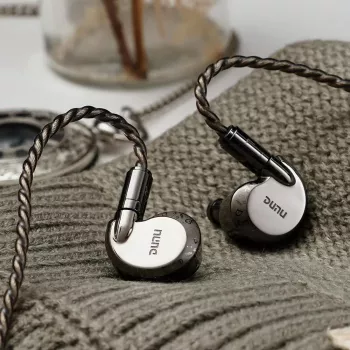
What does driver mean in IEMs?
In IEMs (in-ear monitors), a “driver” is the tiny speaker unit inside the earpiece that converts the electrical audio signal into sound waves you can hear. The driver is the part that physically moves air—usually with a diaphragm—so it has a direct impact on how an IEM sounds and feels, from bass punch to vocal clarity and treble sparkle.
Drivers come in different types, and each works a little differently. The most common is the dynamic driver, which uses a coil and magnet (similar to many full-size headphones) and is often chosen for natural timbre and strong low-end. Balanced armature drivers, common in multi-driver IEMs, are compact and can be tuned for detail and efficiency, often handling mids and highs well. Some models use planar magnetic or electrostatic-style drivers for fast transient response and airy treble, and many hybrid IEMs mix multiple driver types to cover different frequency ranges.
Does “more drivers” mean better sound?
Not automatically. A higher driver count can help designers split the workload—like assigning bass to one driver and treble to another—but overall performance depends on tuning, crossover design, driver quality, and how well everything is integrated. A well-tuned single dynamic driver can outperform a poorly implemented multi-driver setup.
Why do driver materials matter?
The diaphragm material (and other parts like housings and nozzles) can influence speed, stiffness, and resonance, which affects perceived detail, control, and tonal balance. If you’re comparing dynamic driver IEMs and want a deeper look at how design choices can shape performance, see the full guide here: https://ulorin.com/guide-high-performance-titanium-grey-dynamic-driver-iems-with-swappable/.
For IEM Drivers Explained: What They Are and Why They Matter, the best answer depends on fit, material, care instructions, and how the product will be used day to day.
FAQ
What’s the difference between a dynamic driver and balanced armature in IEMs?
Dynamic drivers use a moving coil and diaphragm and are often associated with fuller bass and natural timbre. Balanced armatures are smaller, very efficient, and can deliver crisp detail, especially in the mids and highs, depending on tuning.
Recommended for you

Was this article helpful?
Yes
No









Leave a comment