-
Shop
- Advanced Technologies
- AI Skills for Creators & Freelancers
- AI Client Management
- AI Ethics
- AI Mindset
- AI Tools & Prompts
- AI Writing & Content Creation
- Audio, Voice & Music
- Design & Visual Creation
- Email, Messaging & Communication
- Freelancing & Business
- Marketing, Ads & Conversion
- Productivity, Workflow & Automation
- SEO & Search Optimization
- Social Media Content & Growth
- Strategy, Planning & Analytics
- Video Creation & Editing
- AI Skills Mastery 2026 Collection
- Bathroom
- Best-Sellers
- Car Accessories
- Confidence
- Dating & Social Skills
- Digital Resources
- Easter Products
- Education & Learning
- Family & Parenting
- Fashion
- Fashion Accessories
- Furniture
- Gadgets
- Health & Beauty
- Health & Wellness
- Home & Garden
- Home Electronics
- Home Supplies
- Jewelry
- Kids & Babies
- Kitchen
- Lighting
- Patio, Lawn & Garden
- Personal Growth
- Pet Care
- Pet Supplies
- Pets
- Shoes
- Smart Home Living Guides
- Sport & Outdoors
- Stress Relief & Relaxation
- Super Deals
- TikTok Growth & Monetization Mastery
- Travel
- Travel & Adventure
- Wealth
- Wellness
IEMs With the Most Drivers: What Matters More
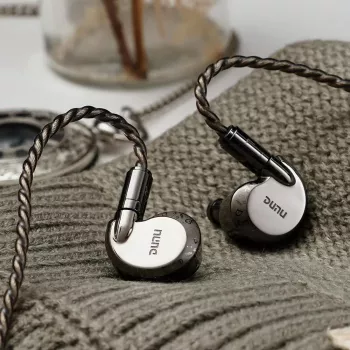
Which IEM has the most drivers?
There isn’t one single IEM that permanently “has the most drivers,” because manufacturers release limited runs and new flagships frequently. The top spot typically belongs to ultra-high-end, custom in-ear monitors (CIEMs) built for stage pros and studio work, where brands pack in large arrays of balanced armature drivers (and sometimes additional driver types) to cover specific frequency bands.
Historically, the “most drivers” conversation has centered on multi-BA flagships that reach into the teens and beyond per ear. Some well-known examples in the market have advertised around 18–24 drivers per side (or similar headline counts), but availability and exact configurations vary by brand, revision, and whether the model is universal-fit or custom.
Does more drivers automatically mean better sound?
No. A higher driver count can help a designer allocate specific drivers to bass, mids, and treble, but tuning, crossover design, acoustic damping, nozzle geometry, and shell fit usually matter more to what you actually hear. A well-tuned single dynamic driver can sound more natural and cohesive than a poorly implemented multi-driver set.
What to prioritize instead of “maximum drivers”
If you’re shopping for an IEM you’ll enjoy day-to-day, focus on fit, comfort, and the sound signature you prefer (warm, neutral, bright, bass-forward). Also consider practical features like cable quality and swappable connectors, which can extend the lifespan of your setup and simplify upgrades.
For a deep dive into a high-performance dynamic-driver approach (without chasing extreme driver counts), see the main guide here: https://ulorin.com/guide-high-performance-titanium-grey-dynamic-driver-iems-with-swappable/.
For IEMs With the Most Drivers: What Matters More, the best answer depends on fit, material, care instructions, and how the product will be used day to day.
FAQ
What’s the difference between balanced armature and dynamic drivers in IEMs?
Dynamic drivers often deliver a more “speaker-like” bass and cohesive timbre, while balanced armatures can provide high detail and efficiency in specific frequency ranges. Many modern IEMs use one or the other—or combine them—to hit a desired tuning.
Recommended for you
Was this article helpful?
Yes
No









Leave a comment