-
Shop
- Advanced Technologies
- AI Skills for Creators & Freelancers
- AI Client Management
- AI Ethics
- AI Mindset
- AI Tools & Prompts
- AI Writing & Content Creation
- Audio, Voice & Music
- Design & Visual Creation
- Email, Messaging & Communication
- Freelancing & Business
- Marketing, Ads & Conversion
- Productivity, Workflow & Automation
- SEO & Search Optimization
- Social Media Content & Growth
- Strategy, Planning & Analytics
- Video Creation & Editing
- AI Skills Mastery 2026 Collection
- Bathroom
- Best-Sellers
- Car Accessories
- Confidence
- Dating & Social Skills
- Digital Resources
- Easter Products
- Education & Learning
- Family & Parenting
- Fashion
- Fashion Accessories
- Furniture
- Gadgets
- Health & Beauty
- Health & Wellness
- Home & Garden
- Home Electronics
- Home Supplies
- Jewelry
- Kids & Babies
- Kitchen
- Lighting
- Patio, Lawn & Garden
- Personal Growth
- Pet Care
- Pet Supplies
- Pets
- Shoes
- Smart Home Living Guides
- Sport & Outdoors
- Stress Relief & Relaxation
- Super Deals
- TikTok Growth & Monetization Mastery
- Travel
- Travel & Adventure
- Wealth
- Wellness
High-Performance Titanium Grey Dynamic Driver IEMs with Swappable
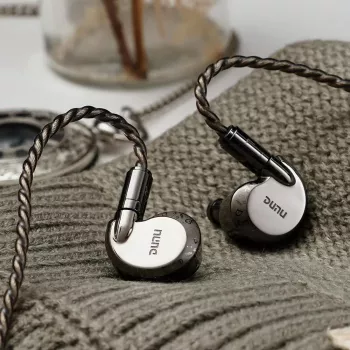
High-Performance Titanium Grey Dynamic Driver IEMs with Swappable Filters
These titanium grey in-ear monitors combine a dynamic driver design with swappable tuning filters, letting you make quick, practical sound adjustments without reaching for EQ. The result is a durable daily-carry option that can shift from punchy and fun to more balanced and detail-forward—without changing earphones.
If you want to jump straight to the product page, see High-Performance Titanium Grey Dynamic Driver IEMs with Swappable Filters (in stock).
What makes these IEMs different
- Titanium-toned metal shell: A titanium grey finish delivers a premium look while aiming for long-term durability—useful for everyday commuting, desk use, and tossing into a case between sessions.
- Dynamic driver cohesion: A well-tuned dynamic driver is known for natural bass texture and a single-driver “togetherness” across the frequency range, often translating to realistic timbre on vocals and instruments.
- Swappable filters for fast tuning changes: Instead of maintaining multiple EQ presets per device, filters give you hardware-level tuning shifts that travel with the IEMs.
- Compact, stable fit potential: With the right ear tips, a snug seal can improve bass authority and passive isolation while keeping the shell steady during movement.
Material choice and finish can influence daily ownership more than a spec sheet suggests; for a general overview of titanium’s properties, see Encyclopaedia Britannica’s reference on titanium.
Sound profile: what to expect from a dynamic driver
Dynamic driver IEMs are often chosen for weighty low-end, coherent mids, and a natural “speaker-like” flow to transients. What you’ll hear depends heavily on tip seal and filter choice, but these checkpoints help set expectations.
- Bass: Compared with many all-balanced armature designs, dynamic bass tends to feel fuller and more physical. Listen for sub-bass extension (depth without distortion) and mid-bass control (punch without bloat).
- Mids: Dynamic drivers frequently present vocals with natural body. Pay attention to upper-mid clarity—too much energy can sound “shouty,” while too little can push vocals back.
- Treble: Clean presence should feel crisp without sharp peaks. Filters can help fine-tune sparkle versus smoothness for different libraries and listening volumes.
- Soundstage & imaging: Test busy mixes for separation and layering. For gaming or live recordings, focus on how precisely sounds “snap” into position and whether background details stay intelligible.
Swappable filters: how tuning changes in practice
Filters typically adjust the balance by changing airflow and damping. In practice, that can alter bass quantity, upper-mid presence, and treble energy—often enough to make the same earphones feel better matched to different genres or recording styles.
- Brighter filters: Useful for more perceived detail and air, especially at lower listening volumes where treble can seem less apparent.
- Smoother filters: Helpful for long sessions, sharper recordings, or treble-sensitive listening where comfort matters as much as resolution.
- Fair comparisons: Change one variable at a time—same tips, same source, same track segment, then swap filters. Level-match as closely as possible.
- Maintenance matters: Keep filters clean and dry. A clogged mesh can reduce treble and make the sound seem muted or “closed in.”
| Listening goal | Suggested filter direction | What you’ll likely notice |
|---|---|---|
| More impact for pop/EDM | More bass / warmer | Stronger punch, thicker low end, slightly softer edges up top |
| All-round balance | Balanced / reference | More even mids, controlled bass, natural vocal presence |
| More clarity for acoustic/jazz | Brighter / more treble | More sparkle and air, sharper transients, leaner warmth |
Fit, comfort, and isolation
For IEMs, fit is performance. A strong seal can boost bass response and improve perceived detail by reducing outside noise and stabilizing how the nozzle couples to your ear canal.
- Seal is everything: If bass sounds thin or the overall presentation feels flat, tip seal is the first thing to troubleshoot.
- Tip selection: Silicone tips often sound more open and lively; foam tips can increase isolation and slightly soften treble for a calmer top end.
- Comfort over time: A secure, low-pressure fit can reduce ear fatigue during longer sessions. If hot spots develop, try a different tip size or material.
- Cable routing: Over-ear wear generally reduces cable noise (microphonics) and keeps the shells stable while walking.
Pairing with phones, dongles, and dedicated players
- If the sound is too sharp: Try a smoother filter first, then consider a warmer source before applying EQ.
- If the sound is too soft or veiled: Confirm tip seal and filter cleanliness, then consider a brighter filter to restore presence.
- Keep volume conservative: Better isolation can tempt higher levels than necessary. For safe listening guidance, see NIOSH noise and hearing loss prevention and the WHO overview on hearing loss.
Specifications and what’s included
| Item | Details |
|---|---|
| Product | High-Performance Titanium Grey Dynamic Driver IEMs with Swappable Filters |
| Price | 359.01 USD |
| Availability | In stock |
| Key feature | Swappable tuning filters |
| Driver type | Dynamic driver (IEM) |
| Color/finish | Titanium grey |
Who these suit best
Also in stock
- High-Performance Titanium Grey Dynamic Driver IEMs with Swappable Filters
- Universal Car Steering Wheel Phone Mount for Safe Navigation
- Triple-Sided Ultra-Fine Soft Bristle Toothbrush for Enhanced Oral Health
FAQ
Do swappable filters change the sound a lot?
They usually make clearly noticeable shifts in bass/treble balance and perceived detail, but the overall character remains the same IEM. For the most accurate comparison, swap filters using the same tips and track segment at a closely matched volume.
How should swappable IEM filters be cleaned and stored?
Keep filters dry, remove debris with a soft brush or gentle air, and avoid liquids that can damage mesh or adhesives. Store filters in a small container and replace them if the mesh is clogged, dented, or torn.
Are dynamic driver IEMs good for long listening sessions?
They can be, especially when the fit is comfortable and the tuning is not overly bright. For longer sessions, a smoother filter, moderate volume, and short breaks can help reduce fatigue.
Recommended for you
Was this article helpful?
Yes
No









Leave a comment