-
Shop
- Advanced Technologies
- AI Skills for Creators & Freelancers
- AI Client Management
- AI Ethics
- AI Mindset
- AI Tools & Prompts
- AI Writing & Content Creation
- Audio, Voice & Music
- Design & Visual Creation
- Email, Messaging & Communication
- Freelancing & Business
- Marketing, Ads & Conversion
- Productivity, Workflow & Automation
- SEO & Search Optimization
- Social Media Content & Growth
- Strategy, Planning & Analytics
- Video Creation & Editing
- AI Skills Mastery 2026 Collection
- Bathroom
- Best-Sellers
- Car Accessories
- Confidence
- Dating & Social Skills
- Digital Resources
- Easter Products
- Education & Learning
- Family & Parenting
- Fashion
- Fashion Accessories
- Furniture
- Gadgets
- Health & Beauty
- Health & Wellness
- Home & Garden
- Home Electronics
- Home Supplies
- Jewelry
- Kids & Babies
- Kitchen
- Lighting
- Patio, Lawn & Garden
- Personal Growth
- Pet Care
- Pet Supplies
- Pets
- Shoes
- Smart Home Living Guides
- Sport & Outdoors
- Stress Relief & Relaxation
- Super Deals
- TikTok Growth & Monetization Mastery
- Travel
- Travel & Adventure
- Wealth
- Wellness
2DD+4BA Hybrid IEMs Explained: Drivers, Tuning, Sound
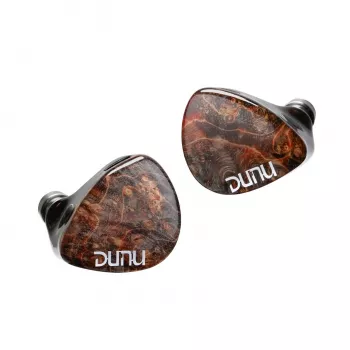
What does a 2DD+4BA hybrid driver setup mean in in-ear monitors?
A “2DD+4BA hybrid” IEM uses two dynamic drivers (DD) plus four balanced armature drivers (BA) inside each earpiece. “Hybrid” simply means it combines different driver types so each can handle the parts of sound they’re best at, rather than relying on one style of driver to do everything.
In most 2DD+4BA designs, the dynamic drivers are responsible for bass and lower midrange. Dynamic drivers move more air, which helps produce a fuller low-end with natural impact and weight. Using two DDs can allow the tuning to split duties (for example, one driver emphasizing sub-bass while the other supports mid-bass), or it can help maintain low-frequency authority without pushing a single driver too hard.
The four balanced armatures typically cover mids and highs. BA drivers are compact and fast, which can improve perceived detail, separation, and clarity—especially in vocals, guitars, cymbals, and upper harmonics. Multiple BAs are often assigned to narrower frequency bands, so each driver works within a comfortable range. A crossover network (and sometimes acoustic tubes/bores) directs the correct frequencies to each driver so the whole system blends into a coherent sound.
It’s important to note that a higher driver count doesn’t automatically mean better sound. The final result depends on tuning, crossover implementation, shell acoustics, and fit. A well-tuned 2DD+4BA hybrid can deliver punchy bass with crisp, well-layered treble, but a poorly tuned one can sound disjointed if the drivers don’t integrate smoothly.
For a deeper walkthrough of how 2DD+4BA hybrid IEMs are built, tuned, and commonly paired with features like swappable cables and distinctive faceplates, see the main guide here: https://ulorin.com/guide-2dd-4ba-hybrid-iems-swappable-cable-wood-faceplates/.
FAQ
Do more drivers in an IEM always mean better sound?
No. Driver count can increase design flexibility, but tuning, crossover quality, and fit matter more; fewer drivers can outperform a higher-count setup when engineered and tuned well.
Recommended for you


Was this article helpful?
Yes
No









Leave a comment