-
Shop
- Advanced Technologies
- AI Skills for Creators & Freelancers
- AI Client Management
- AI Ethics
- AI Mindset
- AI Tools & Prompts
- AI Writing & Content Creation
- Audio, Voice & Music
- Design & Visual Creation
- Email, Messaging & Communication
- Freelancing & Business
- Marketing, Ads & Conversion
- Productivity, Workflow & Automation
- SEO & Search Optimization
- Social Media Content & Growth
- Strategy, Planning & Analytics
- Video Creation & Editing
- AI Skills Mastery 2026 Collection
- Bathroom
- Best-Sellers
- Car Accessories
- Confidence
- Dating & Social Skills
- Digital Resources
- Easter Products
- Education & Learning
- Family & Parenting
- Fashion
- Fashion Accessories
- Furniture
- Gadgets
- Health & Beauty
- Health & Wellness
- Home & Garden
- Home Electronics
- Home Supplies
- Jewelry
- Kids & Babies
- Kitchen
- Lighting
- Patio, Lawn & Garden
- Personal Growth
- Pet Care
- Pet Supplies
- Pets
- Shoes
- Smart Home Living Guides
- Sport & Outdoors
- Stress Relief & Relaxation
- Super Deals
- TikTok Growth & Monetization Mastery
- Travel
- Travel & Adventure
- Wealth
- Wellness
Why Pro Musicians Rely on In-Ear Monitors (IEMs)
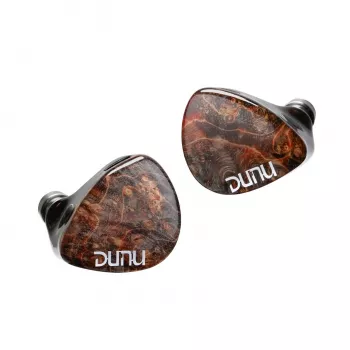
Do professional musicians use in-ear monitors?
Yes—professional musicians routinely use in-ear monitors (IEMs) on stage, in rehearsals, and even in studio sessions. IEMs let performers hear a customized mix (vocals, click track, backing tracks, specific instruments) directly in their ears, which can improve timing, pitch accuracy, and overall confidence during demanding sets.
One major reason pros choose IEMs is consistency. Traditional wedge monitors depend on stage acoustics, venue size, and microphone spill, so the sound can change dramatically from night to night. With IEMs, the mix is more stable, helping musicians stay locked in even when the stage is loud or the room is acoustically difficult.
Why IEMs are common on professional stages
IEMs reduce stage volume, which can clean up the front-of-house mix and lower feedback risk. Many touring acts also rely on click tracks and cues, and IEMs make those signals easy to deliver without the audience hearing them. For vocalists in particular, hearing fine details—like reverb tails, harmonies, and pitch references—can be the difference between an average performance and a great one.
Do pros use expensive IEMs?
Not always, but reliability and fit matter. Professionals often pick IEMs that seal well, feel comfortable for long sets, and have durable cables or replaceable parts. Some prefer custom-molded IEMs for maximum isolation, while others use high-quality universal-fit models—especially when they want easier sharing, quick replacement on tour, or a specific tuning.
Choosing IEMs that fit a “pro” workflow
Features like swappable cables, secure connectors, and a tuning that separates instruments clearly can make live monitoring smoother. For a practical look at a hybrid IEM option with replaceable cabling and unique materials, see this guide: https://ulorin.com/guide-2dd-4ba-hybrid-iems-swappable-cable-wood-faceplates/.
FAQ
What’s the difference between in-ear monitors and regular earbuds?
In-ear monitors are designed for accurate monitoring, strong isolation, and dependable fit, so performers can hear a clear mix in loud environments. Regular earbuds are typically tuned more for casual listening and may isolate less consistently.
Recommended for you


Was this article helpful?
Yes
No









Leave a comment