-
Shop
- Advanced Technologies
- AI Skills for Creators & Freelancers
- AI Client Management
- AI Ethics
- AI Mindset
- AI Tools & Prompts
- AI Writing & Content Creation
- Audio, Voice & Music
- Design & Visual Creation
- Email, Messaging & Communication
- Freelancing & Business
- Marketing, Ads & Conversion
- Productivity, Workflow & Automation
- SEO & Search Optimization
- Social Media Content & Growth
- Strategy, Planning & Analytics
- Video Creation & Editing
- AI Skills Mastery 2026 Collection
- Bathroom
- Best-Sellers
- Car Accessories
- Confidence
- Dating & Social Skills
- Digital Resources
- Easter Products
- Education & Learning
- Family & Parenting
- Fashion
- Fashion Accessories
- Furniture
- Gadgets
- Health & Beauty
- Health & Wellness
- Home & Garden
- Home Electronics
- Home Supplies
- Jewelry
- Kids & Babies
- Kitchen
- Lighting
- Patio, Lawn & Garden
- Personal Growth
- Pet Care
- Pet Supplies
- Pets
- Shoes
- Smart Home Living Guides
- Sport & Outdoors
- Stress Relief & Relaxation
- Super Deals
- TikTok Growth & Monetization Mastery
- Travel
- Travel & Adventure
- Wealth
- Wellness
2DD+4BA Hybrid IEMs: Swappable Cable & Wood Faceplates
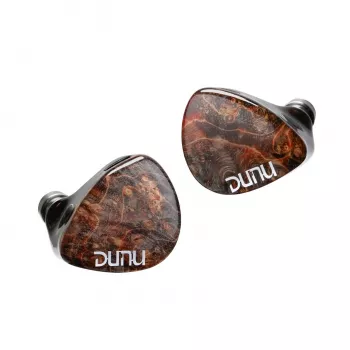
HiFi 2DD+4BA Hybrid In-Ear Monitors with Swappable Cable and Wood Faceplates
These hybrid in-ear monitors pair dual dynamic drivers for physical low-end impact with four balanced armatures for clarity and separation. With a swappable cable design and real-wood faceplates, they’re built for listeners who want high-detail sound, long-session comfort, and the flexibility to replace or upgrade the cable over time. For more guidance, see hybrid iem | Headphone Reviews and Discussion.
What Makes a 2DD+4BA Hybrid Setup Stand Out
A 2DD+4BA configuration is designed to deliver both weight and finesse. The dual dynamic drivers typically handle the heavy lifting in the lows, giving kick drums and bass lines a more realistic sense of pressure and “push” without needing to crank volume. Meanwhile, balanced armatures excel at speed and precision, helping vocals stay intelligible and keeping percussion attacks crisp and well-defined.
When the crossover is done right, bass energy stays where it belongs instead of smearing into the midrange. That can improve layering in busy mixes—think complex rock arrangements, orchestral crescendos, or modern pop with stacked synths and vocals. This type of hybrid is also a strong match for music with wide dynamic swings (live recordings, orchestral) as well as tightly produced tracks (EDM) where separation and transient snap matter.
| Driver type | Strengths | Typical role in hybrids | What to listen for |
|---|---|---|---|
| Dynamic (DD) | Physical bass, natural decay, strong punch | Sub-bass and mid-bass foundation | Tightness vs boom, texture in bass notes |
| Balanced Armature (BA) | Speed, detail, articulation | Mids/treble clarity and separation | Vocal presence, cymbal definition, microdetail |
| Hybrid (DD+BA) | Combines impact with precision | Balanced tuning across the spectrum | Coherence between bass and mids/treble |
Sound Character to Expect
Bass: Expect authoritative sub-bass reach with a sense of physical slam. The “quality” of that slam depends on damping and how smoothly the crossover hands off from the low drivers into the midrange drivers—tight bass sounds punchy and textured, while poorly controlled bass can blur rhythms.
Midrange: With bass kept in check, vocals and guitars can present with cleaner edges and less masking. A well-tuned hybrid keeps male vocals full and grounded while letting female vocals sit forward enough to sound present and expressive.
Treble: BA treble can add air and fine detail—cymbal shimmer, room ambience, and subtle reverb tails. A good tuning avoids sharpness and sibilance while still sounding open rather than muted.
Imaging and separation: Multiple drivers can help with instrument placement, reducing congestion in complex passages. Listen for distinct “lanes” in the mix: vocals centered, drums anchored, and guitars/synths positioned with believable space.
Coherence: The best hybrids don’t feel “stitched together.” A smooth transition from bass into lower mids is the telltale sign—no sudden timbre shift when bass notes move up into the body of a vocal or guitar.
Swappable Cable: Practical Benefits Beyond Upgrades
A swappable cable isn’t just about chasing new sound flavors—it’s a real-world durability feature. Cables often fail before shells do, so replaceability can extend the life of your monitors and reduce waste. It also makes troubleshooting simpler: if you hear intermittent audio, swapping the cable quickly tells you whether the issue is in the wire or the earpieces.
Comfort can improve, too. Cable stiffness, braiding, and earhook shape change how the IEM sits over the ear, which matters for long listening sessions. Depending on the connector and cable ecosystem, it may also be possible to change connectivity (such as moving between balanced and single-ended outputs) by swapping cables instead of replacing the entire earphone setup.
Wood Faceplates: More Than Looks
Wood faceplates add a premium, handcrafted vibe—and since grain patterns vary naturally, each unit can look subtly unique. In hand, natural materials can also feel warmer and less “industrial,” which adds to daily enjoyment even before you press play.
It’s worth setting expectations: faceplates typically influence aesthetics and tactile feel more than frequency response. The internal acoustic chamber design and driver tuning dominate the sound. For durability, wood benefits from careful finishing and basic care—avoid prolonged moisture exposure and store the monitors in a case to help preserve the finish.
Fit, Tips, and Isolation for Consistent Performance
For commuting and noisy environments, stronger isolation can reduce the temptation to raise volume, supporting safer listening habits. The World Health Organization offers practical guidance on safer listening levels and habits at Safe Listening (World Health Organization).
Pairing With Sources and Music
For fit technique and insertion guidance that can directly affect sound quality, see How to Insert Earbuds (Etymotic Research).
Care, Storage, and Cable Handling
Specifications and What to Verify Before Buying
| Detail | Value |
|---|---|
| Product | HiFi 2DD+4BA Hybrid In-Ear Monitors with Swappable Cable and Wood Faceplates |
| Availability | In stock |
| Price | $558.01 USD |
| Key design features | Hybrid driver array, swappable cable, wood faceplates |
In-Stock Picks to Round Out Your Cart
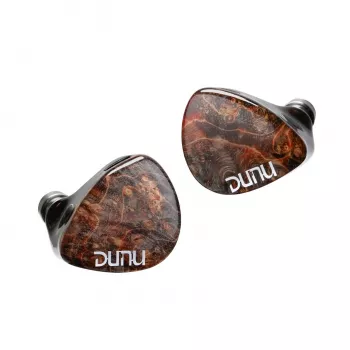
- HiFi 2DD+4BA Hybrid In-Ear Monitors with Swappable Cable and Wood Faceplates
- Universal Car Steering Wheel Phone Mount for Safe Navigation
- Triple-Sided Ultra-Fine Soft Bristle Toothbrush for Enhanced Oral Health
FAQ
Do hybrid in-ear monitors require a special DAC or amplifier?
Many hybrid IEMs play well from phones and compact dongles, but a cleaner source can reduce hiss and improve bass control and separation. Prioritize a low noise floor and stable output over raw power.
Will changing ear tips noticeably change the sound?
Yes—ear tips affect seal, which changes bass quantity and can shift perceived treble smoothness. Silicone tips often sound clearer and quicker, while foam tips can boost isolation and soften sharper edges.
What does a swappable cable help with in daily use?
It improves longevity by making cable replacement easy, and it can change comfort depending on cable stiffness and earhooks. It also simplifies troubleshooting and can enable different terminations if you swap to a compatible cable.
Recommended for you


Was this article helpful?
Yes
No









Leave a comment