-
Shop
- Advanced Technologies
- AI Skills for Creators & Freelancers
- AI Client Management
- AI Ethics
- AI Mindset
- AI Tools & Prompts
- AI Writing & Content Creation
- Audio, Voice & Music
- Design & Visual Creation
- Email, Messaging & Communication
- Freelancing & Business
- Marketing, Ads & Conversion
- Productivity, Workflow & Automation
- SEO & Search Optimization
- Social Media Content & Growth
- Strategy, Planning & Analytics
- Video Creation & Editing
- AI Skills Mastery 2026 Collection
- Bathroom
- Best-Sellers
- Car Accessories
- Confidence
- Dating & Social Skills
- Digital Resources
- Easter Products
- Education & Learning
- Family & Parenting
- Fashion
- Fashion Accessories
- Furniture
- Gadgets
- Health & Beauty
- Health & Wellness
- Home & Garden
- Home Electronics
- Home Supplies
- Jewelry
- Kids & Babies
- Kitchen
- Lighting
- Patio, Lawn & Garden
- Personal Growth
- Pet Care
- Pet Supplies
- Pets
- Shoes
- Smart Home Living Guides
- Sport & Outdoors
- Stress Relief & Relaxation
- Super Deals
- TikTok Growth & Monetization Mastery
- Travel
- Travel & Adventure
- Wealth
- Wellness
Use a Grounding Checklist in Public Without Notice
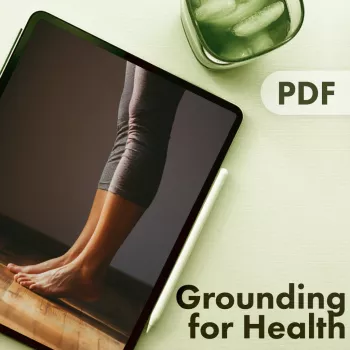
Can I use a grounding checklist at work or in public without it being obvious?
Yes. Most grounding techniques can be done quietly and look like normal “taking a moment” behavior—checking your posture, slowing your breath, or pausing before you respond. A good grounding checklist is less about dramatic actions and more about tiny, repeatable cues that bring you back to the present.
The easiest way to keep it subtle is to choose items that fit your setting: desk-friendly options at work, and walk-and-wait options in public. If you want a simple list you can adapt, use this quick checklist for calm, focus, and energy: https://ulorin.com/guide-grounding-for-health-quick-checklist-for-calm-focus-energy/.
Low-key grounding moves that don’t draw attention
1) Breath you can hide: Inhale through your nose and extend your exhale by a count or two. No one notices a longer exhale, but your body does.
2) Feet + pressure: Press both feet into the floor inside your shoes and feel the contact points (heel, ball, toes). It looks like sitting or standing normally.
3) Micro body scan: Relax your jaw, drop your shoulders, and unclench your hands. This can be done while typing, listening, or waiting in line.
4) Neutral sensory check: Silently name three things you can see (colors, shapes) without turning your head much. It’s an internal reset that doesn’t require closing your eyes.
How to make a grounding checklist feel natural in real life
Pick 3 steps max: A short sequence is easier to remember and faster to use between meetings or conversations.
Attach it to routine moments: Do one step when you sit down, one before you open an email, one when you wash your hands.
Use “cover activities”: Sip water, adjust your chair, or look at a note while you do your breath or sensory check.
FAQ
What’s the difference between grounding and mindfulness?
Grounding focuses on anchoring your attention in the present using your body and senses, especially when you feel stressed or scattered. Mindfulness is broader and often involves sustained, nonjudgmental awareness over time.
Recommended for you


Was this article helpful?
Yes
No









Leave a comment