-
Shop
- Advanced Technologies
- AI Skills for Creators & Freelancers
- AI Client Management
- AI Ethics
- AI Mindset
- AI Tools & Prompts
- AI Writing & Content Creation
- Audio, Voice & Music
- Design & Visual Creation
- Email, Messaging & Communication
- Freelancing & Business
- Marketing, Ads & Conversion
- Productivity, Workflow & Automation
- SEO & Search Optimization
- Social Media Content & Growth
- Strategy, Planning & Analytics
- Video Creation & Editing
- AI Skills Mastery 2026 Collection
- Bathroom
- Best-Sellers
- Car Accessories
- Confidence
- Dating & Social Skills
- Digital Resources
- Easter Products
- Education & Learning
- Family & Parenting
- Fashion
- Fashion Accessories
- Furniture
- Gadgets
- Health & Beauty
- Health & Wellness
- Home & Garden
- Home Electronics
- Home Supplies
- Jewelry
- Kids & Babies
- Kitchen
- Lighting
- Patio, Lawn & Garden
- Personal Growth
- Pet Care
- Pet Supplies
- Pets
- Shoes
- Smart Home Living Guides
- Sport & Outdoors
- Stress Relief & Relaxation
- Super Deals
- TikTok Growth & Monetization Mastery
- Travel
- Travel & Adventure
- Wealth
- Wellness
Grounding for Health: 1–3 Minute Checklist for Calm
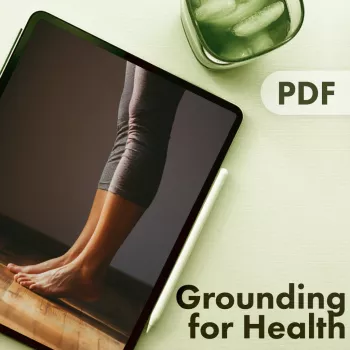
Grounding for Health: A Fun, Practical Checklist for Calm, Focus, and Energy Balance
Grounding practices help shift attention from spiraling thoughts into the present moment using the body, senses, breath, and environment. This guide turns simple techniques into a flexible checklist that fits busy days, low-energy moments, and high-stress spikes—without needing special equipment or lots of time.
What “grounding” means (and what it isn’t)
Grounding is a set of skills for returning to the present moment through sensation, movement, and attention. It’s useful during stress, overwhelm, rumination, restlessness, or after too much screen time—anytime your mind feels “ahead of you” and your body needs a reset.
Grounding isn’t about forcing emotions away. It’s about creating enough stability to notice what’s happening and respond with more clarity. Think “steadying the boat,” not “stopping the waves.”
And while grounding can be a strong support tool, it’s not a replacement for professional care. If symptoms feel intense, persistent, or disruptive, consider reaching out to a qualified clinician alongside self-care. For a deeper look at how stress shows up in the body, see the American Psychological Association’s overview.
A quick self-check: choose the right type of grounding for the moment
Different states call for different tools. A fast self-check can help you choose what’s most likely to work right now.
- If the mind is racing: start with breath pacing or a simple counting exercise.
- If the body feels keyed up: choose movement-based grounding (walk, stretch, shake-out).
- If energy is low or numb: choose sensory activation (cold water, textured object, strong scent).
- If emotions are heavy: choose supportive self-talk and environment adjustments (light, music, posture).
- Go for “small and repeatable”: short reps you’ll actually do beat long sessions you avoid.
Grounding menu: pick one based on your state
| How it feels right now | Best grounding style | Try this (1–3 minutes) | Good time to use it |
|---|---|---|---|
| Racing thoughts, worry loops | Breath + attention | Inhale 4, exhale 6 for 10 cycles | Before meetings, after conflict |
| Restless, jittery, tense | Movement + muscle release | Wall push-ups or slow squats x 10 | Midday slump, after caffeine |
| Numb, foggy, detached | Sensory activation | Cold splash + name 5 things you see | After scrolling, long work blocks |
| Overwhelmed, tearful | Soothe + orient | Hand on chest + look around, name 3 safe cues | After tough news, before sleep |
| Irritable, overstimulated | Environment reset | Dim lights, reduce noise, unclench jaw | After errands, loud places |
The “fun & practical” grounding checklist (mix-and-match)
Use this like a menu, not a rulebook. Pick one item, do it briefly, then repeat or switch if needed.
- Senses: 5-4-3-2-1 noticing (5 see, 4 feel, 3 hear, 2 smell, 1 taste).
- Touch: hold a textured object; press feet into the floor; rub hands together slowly.
- Breath: exhale-focused breathing (longer exhale than inhale) to signal safety. For simple breath patterns, the NHS breathing exercises guide is a solid reference.
- Body: progressive muscle release (tighten 3 seconds, release 6 seconds).
- Movement: a short walk, gentle stretching, or “shake out” arms and legs for 30 seconds.
- Sound: a steady playlist, nature sounds, or humming to create vibration and rhythm.
- Temperature: warm mug in hands or a cool washcloth at the back of the neck.
- Words: a single anchor phrase such as “Right now, I’m here.”
- Micro-ritual: tidy one small area (desk corner, bag, sink) as a reset cue.
Make it easier to follow through
If you like structure without overthinking, keep a ready-to-use tool on your phone or print one page for your desk. The Grounding for Health: Your Fun & Practical Checklist (Digital Wellness Guide) is designed for quick pick-and-go choices when your brain doesn’t want to decide.
Make it stick: simple routines for morning, midday, and night
Habit-pairing can be surprisingly powerful. For example, turning your nightly brush into a “slow down” cue can reinforce calm—especially if you use a comfortable tool like the Triple-Sided Ultra-Fine Soft Bristle Toothbrush and deliberately relax your shoulders and jaw for 3 slow breaths while you brush.
Using a checklist tool to stay consistent
Digital wellness tips that amplify grounding
Modern stress often arrives through screens. Small digital boundaries can make grounding easier and more effective—especially when attention feels fragmented. For a broader perspective on mindfulness practices and how they’re studied, see the NCCIH overview.
If your commute is a common stress point, setting up your environment helps. A simple accessory like the Universal Car Steering Wheel Phone Mount for Safe Navigation can reduce the “where’s my phone?” scramble so you can arrive, park, and take one steadying breath before stepping out.
And when movement is your best grounding style, comfortable shoes make the “one-minute walk” easier to choose. The Armani Exchange Men’s Sneakers can support quick walk breaks—one of the simplest ways to discharge restless energy.
When grounding helps most—and when to seek extra support
FAQ
How long does a grounding exercise need to be to work?
Often 30–180 seconds is enough to create a noticeable shift, especially if you repeat it a few times. Consistency matters more than duration, so aim for short reps you’ll actually do.
What’s the best grounding technique for anxiety in the moment?
Many people respond quickly to longer-exhale breathing (like inhale 4, exhale 6), the 5-4-3-2-1 sensory method, or pressing your feet into the floor while naming objects you see. Try a few options and keep the one that helps you settle fastest.
Can grounding help with stress from screens and constant notifications?
Yes—grounding pulls attention back into the body and senses, which can counter overstimulation from rapid content and alerts. Micro-breaks, fewer notifications, and a saved checklist make it easier to reset before stress builds.
Recommended for you


Was this article helpful?
Yes
No









Leave a comment