-
Shop
- Advanced Technologies
- AI Skills for Creators & Freelancers
- AI Client Management
- AI Ethics
- AI Mindset
- AI Tools & Prompts
- AI Writing & Content Creation
- Audio, Voice & Music
- Design & Visual Creation
- Email, Messaging & Communication
- Freelancing & Business
- Marketing, Ads & Conversion
- Productivity, Workflow & Automation
- SEO & Search Optimization
- Social Media Content & Growth
- Strategy, Planning & Analytics
- Video Creation & Editing
- AI Skills Mastery 2026 Collection
- Bathroom
- Best-Sellers
- Car Accessories
- Confidence
- Dating & Social Skills
- Digital Resources
- Easter Products
- Education & Learning
- Family & Parenting
- Fashion
- Fashion Accessories
- Furniture
- Gadgets
- Health & Beauty
- Health & Wellness
- Home & Garden
- Home Electronics
- Home Supplies
- Jewelry
- Kids & Babies
- Kitchen
- Lighting
- Patio, Lawn & Garden
- Personal Growth
- Pet Care
- Pet Supplies
- Pets
- Shoes
- Smart Home Living Guides
- Sport & Outdoors
- Stress Relief & Relaxation
- Super Deals
- TikTok Growth & Monetization Mastery
- Travel
- Travel & Adventure
- Wealth
- Wellness
Enclosed Cat Litter Box w/ Lid & Drawer: Less Mess
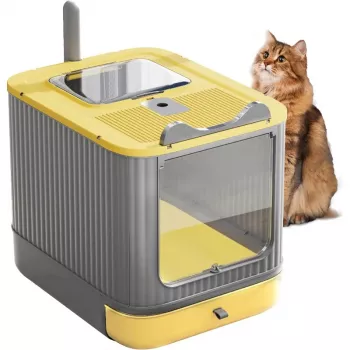
Upgraded Enclosed Cat Litter Box with Lid and Drawer: Cleaner Floors, More Privacy, Easier Scooping
An enclosed litter box can reduce tracking, keep odors more contained, and give cats a quieter, more private place to go. This upgraded design pairs a covered lid with a pull-out drawer to streamline daily scooping while helping keep surrounding areas tidy.
What Makes This Enclosed Litter Box Different
Covered litter boxes aren’t new, but small design choices can make a big difference in day-to-day cleanliness. This upgraded style focuses on two areas that most cat households care about: controlling scatter and making scooping less of a chore.
- Enclosed lid helps limit litter scatter and offers privacy for many cats
- Drawer-style base supports quicker cleanouts than tipping or lifting a full pan
- A more contained footprint can help keep litter in one zone, especially in small homes
- Works well for households prioritizing neatness near entryways, bathrooms, or laundry rooms
How the Lid Helps With Odor and Mess
A lid can’t replace cleaning, but it can change how mess and odor behave in your space. When cats dig and cover, loose granules often fly up and out of open pans. With higher sides and a covered top, more of that action stays inside the box.
- A covered top can reduce the amount of litter kicked out during digging
- Helps block direct airflow from the litter surface, which may lower how quickly odors spread
- Useful for cats that back up to the edge or tend to spray litter while covering
- Still requires routine scooping and periodic full litter changes to keep odors under control
If a cat starts avoiding the box, it’s worth treating that as a behavior and health signal, not “stubbornness.” For guidance on common litter box issues, see the ASPCA’s litter box resources and Cornell’s overview of feline house-soiling.
Open vs. Enclosed Litter Box: Practical Differences
| Feature | Open Box | Enclosed Box with Lid |
|---|---|---|
| Litter tracking | Often higher; litter can scatter from any side | Often lower; sides and lid can contain scatter |
| Odor spread | Odors disperse quickly into the room | Odors may be more contained with regular cleaning |
| Cat privacy | More exposed | More private for many cats |
| Monitoring stool/urine | Easy to glance in | May take a quick check inside |
| Space feel | Feels open; good for cautious cats | Feels enclosed; better for some cats, not all |
Why a Drawer Design Can Make Daily Cleaning Faster
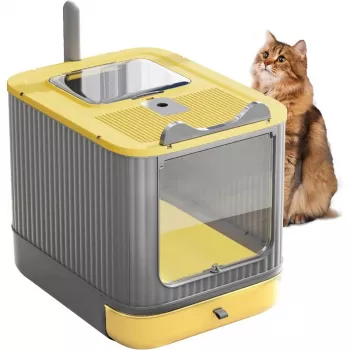
The biggest friction point for many owners isn’t the scoop itself—it’s access. A drawer-style base shifts the workflow from “lift and juggle parts” to “pull, scoop, slide back,” which can make it easier to stick to a consistent routine.
- Pull-out drawer supports quick access for scooping without removing the entire lid assembly
- Makes it easier to wipe down edges and corners during routine maintenance
- Can reduce the chance of spilling litter compared with lifting a heavy, full bottom tray
- Pairs well with a daily scoop schedule to keep clumps small and manageable
Placement Tips for Better Cat Acceptance
Even a well-designed box can fail if it’s placed somewhere that feels unsafe or disruptive. Cats prefer a setup that offers awareness, predictability, and at least one clear “escape route.”
- Choose a low-traffic spot where the cat can see approaches but still feels secure
- Avoid placing next to loud appliances that cycle on and off (washers, dryers, HVAC closets)
- Keep at least one exit path clear so the cat doesn’t feel cornered when using the box
- If introducing a covered box, consider leaving the lid off for a few days, then add it once the cat is comfortable
- Keep food and water in a separate area from the litter box
Cleaning Routine That Keeps Odors Down
Covered boxes often feel “cleaner” from across the room, but odor control still comes down to consistency. A simple schedule prevents buildup on seams, corners, and interior walls—especially in enclosed designs where smell can linger if maintenance slips.
- Scoop clumps at least once daily; twice daily is often better for multi-cat homes
- Top up litter as needed to maintain a consistent depth that supports clumping
- Wipe interior surfaces during the week to reduce buildup on corners and seams
- Replace all litter and wash the box on a regular schedule appropriate to the litter type and household size
- Use mild soap and warm water; avoid harsh cleaners that can leave lingering scents
Choosing the Right Litter for a Covered Box
Who This Style Suits Best
Product Snapshot
- Name: Upgraded Enclosed Cat Litter Box with Lid and Drawer
- Price: $117.17 USD
- Availability: In stock
- Best for: reducing scatter, simplifying scooping, and keeping the litter area more contained
More In-Stock Picks
- Triple-Sided Ultra-Fine Soft Bristle Toothbrush for Enhanced Oral Health
- Universal Car Steering Wheel Phone Mount for Safe Navigation
FAQ
Will a covered litter box make odors worse inside the box?
A lid can help keep odors from spreading through the room, but smells can build up inside the box if scooping is infrequent. Daily scooping, regular full litter changes, and washing the box on schedule keep enclosed setups fresh.
How do you get a cat to use an enclosed litter box?
Introduce it gradually by starting with the lid off, keeping the box in a consistent location, and using a familiar litter. Keep it very clean and watch for avoidance or stress; if the cat resists, slow down the transition.
How often should the drawer be emptied and cleaned?
Scoop clumps daily (twice daily for many multi-cat homes). Fully empty and wash the drawer and interior about every 2–4 weeks for many clumping litters, or sooner if you notice odor, residue, or damp buildup.
Recommended for you


Was this article helpful?
Yes
No









Leave a comment