-
Shop
- Advanced Technologies
- AI Skills for Creators & Freelancers
- AI Client Management
- AI Ethics
- AI Mindset
- AI Tools & Prompts
- AI Writing & Content Creation
- Audio, Voice & Music
- Design & Visual Creation
- Email, Messaging & Communication
- Freelancing & Business
- Marketing, Ads & Conversion
- Productivity, Workflow & Automation
- SEO & Search Optimization
- Social Media Content & Growth
- Strategy, Planning & Analytics
- Video Creation & Editing
- AI Skills Mastery 2026 Collection
- Bathroom
- Best-Sellers
- Car Accessories
- Confidence
- Dating & Social Skills
- Digital Resources
- Easter Products
- Education & Learning
- Family & Parenting
- Fashion
- Fashion Accessories
- Furniture
- Gadgets
- Health & Beauty
- Health & Wellness
- Home & Garden
- Home Electronics
- Home Supplies
- Jewelry
- Kids & Babies
- Kitchen
- Lighting
- Patio, Lawn & Garden
- Personal Growth
- Pet Care
- Pet Supplies
- Pets
- Shoes
- Smart Home Living Guides
- Sport & Outdoors
- Stress Relief & Relaxation
- Super Deals
- TikTok Growth & Monetization Mastery
- Travel
- Travel & Adventure
- Wealth
- Wellness
Pet Aggression Help: Safety, Triggers & Humane Training
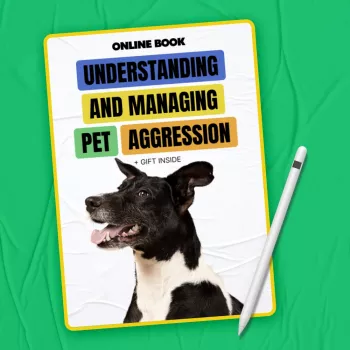
Understanding and Managing Pet Aggression: Safety First, Clear Signals, Practical Training Steps
Aggression in pets is rarely “out of nowhere.” It’s often a predictable response to fear, pain, guarding, frustration, or confusion—made worse by accidental reinforcement and unsafe handling. A practical plan focuses on immediate safety, identifying triggers, meeting health needs, and using structured behavior training that reduces stress while building alternative skills. The goal is fewer incidents, lower intensity, and a home routine that protects people and animals while progress is made.
What Aggression Can Look Like (and What It Usually Means)
Pet aggression can show up in different ways, and the “type” often hints at what’s driving it. Common patterns include fear-based aggression, resource guarding (food, toys, people, resting spots), territorial behavior, leash reactivity, redirected aggression (snapping at a nearby person or pet when aroused), frustration-based outbursts, and pain-related aggression.
Most bites are preceded by warning signals. Watch for freezing, a hard stare, “whale eye” (white of the eye showing), lip licking, tucked tail, stiff posture, growling, raised hackles, lunging, snapping, or a sudden stop in movement. These signals matter because aggression is a behavior—not a personality trait—and behaviors can change when safety improves, routines become clearer, and training is consistent.
Harsh punishment can be risky. It may suppress warnings (like growling) without changing the underlying emotion, leaving a pet feeling just as stressed but less likely to signal before a bite.
Immediate Safety Plan for the Next 48 Hours
The fastest way to reduce risk is to prevent “rehearsal”—every time aggression works (scary thing goes away, item is protected, attention is gained), it can strengthen. For the next two days, prioritize management over “testing” your pet.
- Block access to high-conflict zones: use baby gates, closed doors, or separate rooms. Feed pets separately and pick up contested items (favorite chews, certain toys).
- Create distance from triggers: avoid crowded walks, tight hallways, door greetings, and face-to-face hovering. Don’t stare a worried pet down.
- Use leashes thoughtfully indoors: only when it helps you guide calmly to safety. Avoid holding a pet close to a trigger if restraint increases panic.
- Consider muzzle training: introduced gradually with treats, a muzzle can be a humane safety tool that prevents bites while training catches up. It should never be used to “force” exposure.
- Set household rules: no rough play, no collar-grabbing, no hugging, and no face-to-face interactions. Supervise children closely at all times around pets.
Rule Out Medical Causes and Pain
If aggression is new, escalating, or paired with behavior changes (sleep, appetite, mobility, sensitivity to touch), schedule a veterinary exam. Pain can dramatically lower tolerance, turning ordinary handling into a “too much” moment.
For additional guidance on humane, evidence-based approaches, see the American Veterinary Society of Animal Behavior’s position statements: https://avsab.org/resources/position-statements/.
Identify Triggers and Track Patterns
Trigger-to-Response Plan
| Trigger scenario | Early warning signs | Immediate safety response | Training focus (later) |
|---|---|---|---|
| Approach to food bowl or chew | Freeze, head over item, hard stare, growl | Stop approaching, increase distance, trade for high-value treat, feed separately | Resource-guarding protocol: trading, desensitization to approach, bowl-handling steps |
| Leash encounter with dog/person | Stiff body, scanning, whining, barking, lunge | U-turn, increase distance, use barrier/parked car, scatter treats | Counterconditioning at sub-threshold distance; “look at that,” loose-leash skills |
| Handling (nails, collar, brushing) | Lip lick, tense muscles, turning away, snap attempt | Pause handling, give break, reduce intensity, avoid restraint battles | Cooperative care: start-stop signals, touch gradients, treat pairing |
| Door greetings / visitors | Pacing, barking, charging, jumping | Put behind gate, provide stuffed food toy away from door, no direct greetings | Mat training, calm stationing, controlled visitor routines |
Training Building Blocks That Reduce Aggression Risk
If you want a step-by-step structure that ties safety, management, and training together in one place, consider Understanding and Managing Pet Aggression | Practical eBook Guide for Pet Aggression What to Do, Safety, Training & Behavior Solutions. Many households use it like a workbook: pick one context (leash reactivity, guarding, handling), apply the same plan for several weeks, and track trigger distance, intensity, and recovery time.
Common Mistakes That Slow Progress
Helpful day-to-day supports can be surprisingly practical: comfortable shoes for training walks like Armani Exchange Men’s Sneakers, a hands-free navigation tool when driving to the vet or trainer like Universal Car Steering Wheel Phone Mount for Safe Navigation, and small routines that keep caregivers consistent under stress, even basic self-care items such as Triple-Sided Ultra-Fine Soft Bristle Toothbrush for Enhanced Oral Health.
When to Get Professional Help (and What to Look For)
To find qualified help, the International Association of Animal Behavior Consultants directory is a strong starting point: https://iaabc.org/consultants. For general background on aggression concerns, the ASPCA pet care resources can also help you frame questions for your vet and trainer: https://www.aspca.org/pet-care.
FAQ
What should be done immediately after a pet growls or snaps?
Increase distance right away and end the interaction calmly without scolding or physical corrections. Note the trigger and warning signs you saw, then adjust management so the same setup doesn’t happen again. If incidents repeat or intensity increases, involve your veterinarian and a qualified behavior professional.
Can aggression be trained away completely?
Many cases improve substantially with consistent management and behavior modification, but outcomes depend on the cause, bite history, and the home environment. A practical goal is reducing frequency, intensity, and risk while building reliable alternative behaviors and safer routines.
Is using a muzzle a sign of failure?
No. When introduced gradually and paired with positive reinforcement, a muzzle is a safety tool that helps prevent bites and allows training to move forward more safely.
Recommended for you

Was this article helpful?
Yes
No









Leave a comment