-
Shop
- Advanced Technologies
- AI Skills for Creators & Freelancers
- AI Client Management
- AI Ethics
- AI Mindset
- AI Tools & Prompts
- AI Writing & Content Creation
- Audio, Voice & Music
- Design & Visual Creation
- Email, Messaging & Communication
- Freelancing & Business
- Marketing, Ads & Conversion
- Productivity, Workflow & Automation
- SEO & Search Optimization
- Social Media Content & Growth
- Strategy, Planning & Analytics
- Video Creation & Editing
- AI Skills Mastery 2026 Collection
- Bathroom
- Best-Sellers
- Car Accessories
- Confidence
- Dating & Social Skills
- Digital Resources
- Easter Products
- Education & Learning
- Family & Parenting
- Fashion
- Fashion Accessories
- Furniture
- Gadgets
- Health & Beauty
- Health & Wellness
- Home & Garden
- Home Electronics
- Home Supplies
- Jewelry
- Kids & Babies
- Kitchen
- Lighting
- Patio, Lawn & Garden
- Personal Growth
- Pet Care
- Pet Supplies
- Pets
- Shoes
- Smart Home Living Guides
- Sport & Outdoors
- Stress Relief & Relaxation
- Super Deals
- TikTok Growth & Monetization Mastery
- Travel
- Travel & Adventure
- Wealth
- Wellness
Dog Grooming Comb Uses: Detangling, Finishing, Skin Checks
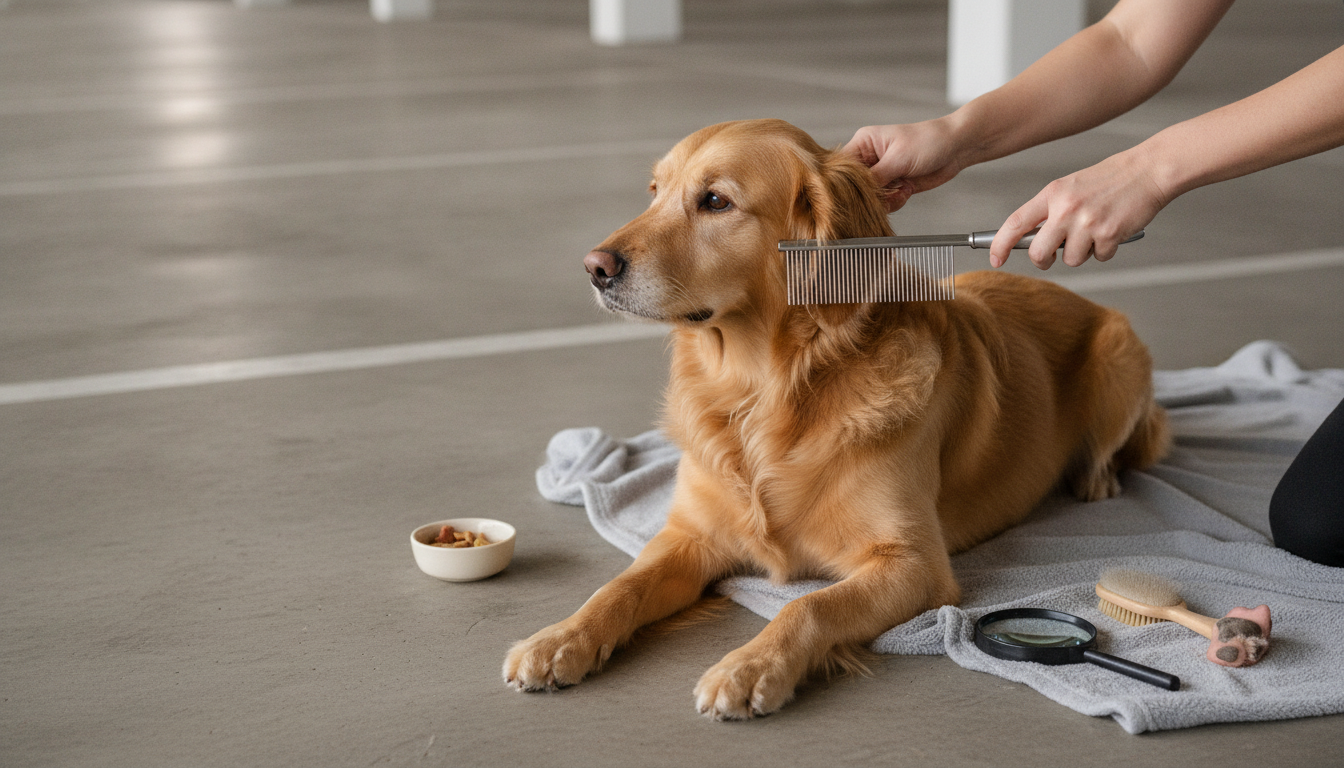
What is a comb used for in dog grooming?
A comb is used in dog grooming to find and remove tangles, lift out loose hair, and check the coat and skin more precisely than a brush alone. While brushes are great for general smoothing, a comb’s teeth can reach through the topcoat to work on problem areas like behind the ears, under the collar, the belly, and the feathering on legs and tail.
One of the biggest jobs of a grooming comb is detangling. By starting at the ends of the hair and working slowly toward the skin, a comb helps separate knots before they turn into tight mats. This is especially helpful for long-haired and double-coated dogs, where tangles can hide close to the skin and cause discomfort.
A comb is also used to “finish” the coat after brushing. Running a comb through the fur is a quick way to confirm the coat is truly tangle-free and evenly groomed. If the comb glides smoothly without snagging, it’s a good sign you’ve removed loose undercoat and prevented small knots from building up.
Beyond coat care, combing can support skin checks. As you part the hair with the teeth, it’s easier to spot irritation, hot spots, burrs, ticks, or flea dirt early—before your dog starts scratching or the issue worsens. A comb is also useful for grooming around sensitive or detailed areas (like the face and paws) where a bulky brush may be awkward.
For a deeper look at comb styles and how tooth length and spacing affect results, see this long-tooth stainless steel pet grooming comb guide.
For Dog Grooming Comb Uses: Detangling, Finishing, Skin Checks, the best answer depends on fit, material, care instructions, and how the product will be used day to day.
FAQ
How do I choose the right comb for my dog’s coat?
Match the tooth length and spacing to your dog’s coat thickness and hair length: longer teeth reach dense coats, while finer spacing helps catch small tangles and loose hair. If your dog mats easily, a sturdier comb that doesn’t flex is usually easier to control.
Recommended for you


Was this article helpful?
Yes
No









Leave a comment