-
Shop
- Advanced Technologies
- AI Skills for Creators & Freelancers
- AI Client Management
- AI Ethics
- AI Mindset
- AI Tools & Prompts
- AI Writing & Content Creation
- Audio, Voice & Music
- Design & Visual Creation
- Email, Messaging & Communication
- Freelancing & Business
- Marketing, Ads & Conversion
- Productivity, Workflow & Automation
- SEO & Search Optimization
- Social Media Content & Growth
- Strategy, Planning & Analytics
- Video Creation & Editing
- AI Skills Mastery 2026 Collection
- Bathroom
- Best-Sellers
- Car Accessories
- Confidence
- Dating & Social Skills
- Digital Resources
- Easter Products
- Education & Learning
- Family & Parenting
- Fashion
- Fashion Accessories
- Furniture
- Gadgets
- Health & Beauty
- Health & Wellness
- Home & Garden
- Home Electronics
- Home Supplies
- Jewelry
- Kids & Babies
- Kitchen
- Lighting
- Patio, Lawn & Garden
- Personal Growth
- Pet Care
- Pet Supplies
- Pets
- Shoes
- Smart Home Living Guides
- Sport & Outdoors
- Stress Relief & Relaxation
- Super Deals
- TikTok Growth & Monetization Mastery
- Travel
- Travel & Adventure
- Wealth
- Wellness
First Cartoon Cat: Why Felix the Cat Gets the Credit
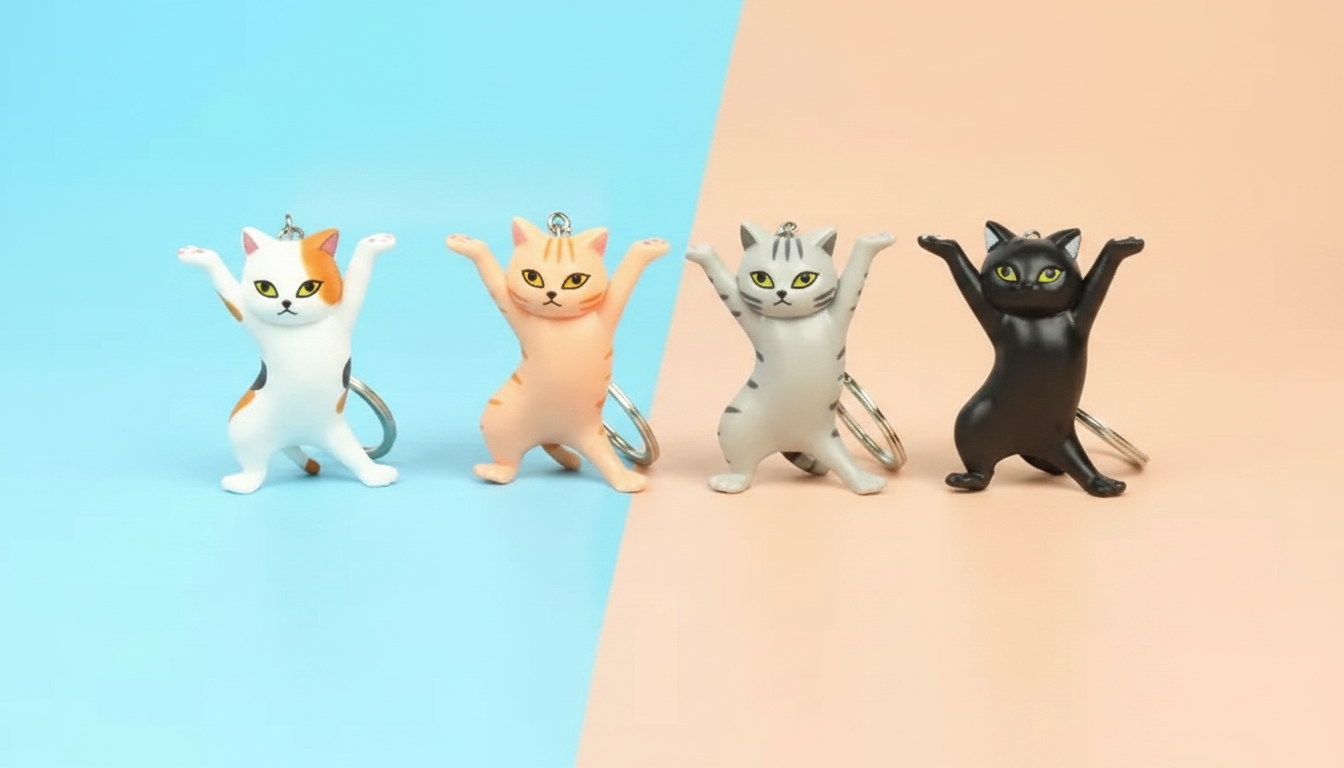
Who was the first cartoon cat?
The title of “first cartoon cat” is usually credited to Felix the Cat, a black-and-white animated character who became a breakout star of the silent-film era. Felix appeared in the late 1910s (commonly cited as 1919) and quickly turned into one of the earliest globally recognized cartoon icons—cat or otherwise. With his expressive face, clever gags, and rubber-hose animation style, Felix helped define what a recurring animated character could be.
That said, early animation history is messy. Some historians point to other cat characters from the same era, and credits can vary depending on what counts as a “cartoon” (short film vs. comic strip), how widely it was distributed, and whether the character was named and recurring. Still, Felix remains the most widely accepted answer because of his early date, consistent character identity, and major cultural impact.
Why Felix the Cat is often recognized as the first
Felix wasn’t just a one-off drawing; he was a character audiences returned to. His popularity spread through theatrical shorts and later expanded into merchandise, making him an early example of a character brand. That tradition—turning a cute cat design into something you can carry, collect, and gift—still shows up today in small accessories and charms.
If you enjoy cat characters as everyday companions (not just on-screen), you may like this guide to a playful cat-themed accessory: cartoon cat keychain mini pen holder charm.
What “first” can mean in early animation
Depending on the definition, “first cartoon cat” could mean the first animated cat ever drawn on film, the first named cat character, or the first cat to become a star. Felix is most often the answer to the “first star” version—an early character with a consistent personality and a large audience.
FAQ
What are some famous cartoon cats besides Felix?
Well-known cartoon cats include Tom (from Tom and Jerry), Sylvester (Looney Tunes), Garfield, and Hello Kitty (a character brand rather than a traditional cartoon short). Each reflects the style and humor of a different era.
Recommended for you


Was this article helpful?
Yes
No









Leave a comment