-
Shop
- Advanced Technologies
- AI Skills for Creators & Freelancers
- AI Client Management
- AI Ethics
- AI Mindset
- AI Tools & Prompts
- AI Writing & Content Creation
- Audio, Voice & Music
- Design & Visual Creation
- Email, Messaging & Communication
- Freelancing & Business
- Marketing, Ads & Conversion
- Productivity, Workflow & Automation
- SEO & Search Optimization
- Social Media Content & Growth
- Strategy, Planning & Analytics
- Video Creation & Editing
- AI Skills Mastery 2026 Collection
- Bathroom
- Best-Sellers
- Car Accessories
- Confidence
- Dating & Social Skills
- Digital Resources
- Easter Products
- Education & Learning
- Family & Parenting
- Fashion
- Fashion Accessories
- Furniture
- Gadgets
- Health & Beauty
- Health & Wellness
- Home & Garden
- Home Electronics
- Home Supplies
- Jewelry
- Kids & Babies
- Kitchen
- Lighting
- Patio, Lawn & Garden
- Personal Growth
- Pet Care
- Pet Supplies
- Pets
- Shoes
- Smart Home Living Guides
- Sport & Outdoors
- Stress Relief & Relaxation
- Super Deals
- TikTok Growth & Monetization Mastery
- Travel
- Travel & Adventure
- Wealth
- Wellness
Travel Pill Organizer: TSA-Friendly, Compact Dose Planner
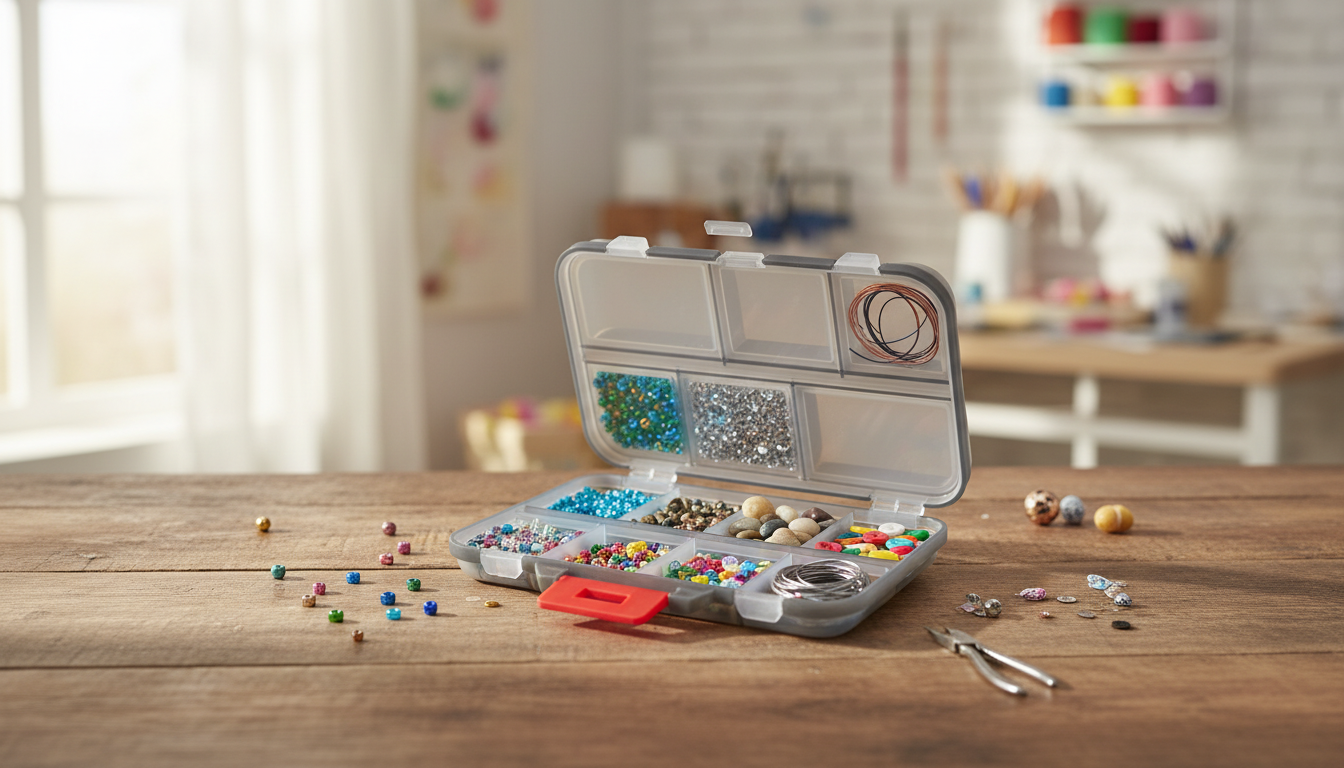
Travel Pill Organizer for Easy, On-the-Go Medication Planning
A travel pill organizer keeps doses separated, protects pills from being crushed in a bag, and reduces missed medications on busy travel days. The right layout depends on trip length, dosing schedule, and how compact the case needs to be for a carry-on, purse, or daypack. With a little planning, a well-chosen organizer can turn hectic departures and long transit days into a quick, confident routine—without digging through multiple bottles.
Why a Travel Pill Organizer Makes Trips Simpler
Travel has a way of disrupting even the best medication habits. Early departures, time zone changes, and irregular meals can make it hard to remember what’s already been taken. A dedicated organizer helps create a clear system that travels well.
- Reduces dose confusion when time zones, early departures, and long transit days disrupt routines
- Keeps daily medications and supplements separated so refills and missed doses are easier to spot
- Helps protect pills from moisture, lint, and pressure inside bags
- Makes quick “did I take it?” checks possible without opening multiple bottles
For additional travel guidance, it can help to review official recommendations on carrying and storing medications from the Transportation Security Administration (TSA) — Traveling with Medication and the U.S. Food & Drug Administration (FDA) — Traveling with Medicine.
Common Organizer Styles and When Each Works Best
Not every organizer fits every routine. A compact daily case may be perfect for a weekend trip, while a multi-time-per-day layout can prevent mistakes when doses need to be taken at specific intervals.
- Daily boxes: best for short trips and once-a-day routines; smallest footprint
- AM/PM layouts: useful for twice-daily medications and simple schedules
- Multi-time-per-day (morning/noon/evening/bedtime): suited for complex regimens and strict timing
- Detachable day modules: handy for day trips—take only the day needed and leave the rest in luggage
- Slim card-style cases: good for a minimalist kit, but can be tight for large tablets
Quick guide to choosing a layout
| Trip and routine | Recommended layout | Why it fits |
|---|---|---|
| Weekend getaway, once daily | Daily boxes (7-day) | Small, fast to load, easy to verify doses |
| 1–2 weeks, twice daily | AM/PM (14 compartments or 7×2) | Matches routine without excess bulk |
| Any length, 3–4 times per day | Multi-time-per-day | Keeps each dosing window separate |
| Mixed plans (hotel + day tours) | Detachable day modules | Carry only what’s needed during the day |
| Ultralight packing, small tablets | Slim case | Fits easily in pockets and small pouches |
What to Look for Before Buying
A travel organizer should make life easier, not introduce new problems like popped lids or cramped compartments. Before choosing one, focus on fit, security, and readability.
- Capacity and compartment size: confirm it fits larger tablets, gummies, or multiple pills per dose
- Secure closures: lids should resist popping open in a suitcase or compression-packed backpack
- Moisture control: tighter seals help in humid climates; avoid storing pills in steamy bathrooms
- Readability: clear day/time labels reduce mistakes when tired or jet-lagged
- Portability: consider whether it needs to fit a small crossbody, toiletry kit, or carry-on side pocket
- Ease of cleaning: smooth corners and durable plastics simplify wipe-downs between trips
If you routinely split doses (for example, half tablets) or take medications that look similar, prioritize high-contrast labels and compartments that open one at a time to reduce mix-ups.
How to Pack Medications for Flights and Road Trips
Smart packing reduces stress when plans change. Aim for a setup that protects medications and keeps essentials within reach.
- Keep essential doses in a personal item (not checked luggage) in case bags are delayed
- Bring a small buffer of extra doses for itinerary changes, weather delays, or missed connections
- If using prescriptions, keep a photo of the prescription label or a medication list for reference
- Avoid mixing different medications in one compartment unless it’s part of the daily plan and confirmed safe by a pharmacist
- Store away from heat: cars and window seats can get hot—use an insulated pouch if needed
For road trips, treat the glove box and dashboard as “no-go” zones for medication storage. Even mild outdoor temperatures can lead to surprisingly high in-car heat, especially during stops.
Using a 2-Week Setup Without Overpacking
Two-week trips often call for more structure, but that doesn’t mean carrying bulky bottles. A simple system keeps you prepared while staying compact.
- Pick a format: 14 individual day boxes, a 7-day AM/PM organizer, or two 7-day cases for longer trips
- Load in a distraction-free moment: align pills with the dosing schedule and double-check once finished
- Plan for excursions: move only the day’s doses into a small detachable module (or a single-day case)
- Keep a short refill plan: note when a medication will run out, especially for trips that extend unexpectedly
Travel Pill Organizer Option to Add to a Minimal Kit
- Product to consider: Travel Pill Organizer — a budget-friendly option for keeping pills separated on the go
- Triple-Sided Ultra-Fine Soft Bristle Toothbrush for Enhanced Oral Health for quick oral care after flights or long drives
- Universal Car Steering Wheel Phone Mount for Safe Navigation for hands-free directions on road trips (always follow local laws and use safely)
FAQ
Does TSA allow pill organizers?
Yes, pill organizers are generally allowed in carry-on and checked bags. Keep medications accessible, and when possible, bring documentation like prescription labels or a medication list if questions come up during screening.
What is the 2 week pill organizer travel?
It’s an organizer designed to hold 14 days of medication—often as 14 individual day compartments or a 7-day AM/PM layout. The best choice depends on whether doses are once daily, twice daily, or taken more frequently.
Recommended for you

Was this article helpful?
Yes
No









Leave a comment