-
Shop
- Advanced Technologies
- AI Skills for Creators & Freelancers
- AI Client Management
- AI Ethics
- AI Mindset
- AI Tools & Prompts
- AI Writing & Content Creation
- Audio, Voice & Music
- Design & Visual Creation
- Email, Messaging & Communication
- Freelancing & Business
- Marketing, Ads & Conversion
- Productivity, Workflow & Automation
- SEO & Search Optimization
- Social Media Content & Growth
- Strategy, Planning & Analytics
- Video Creation & Editing
- AI Skills Mastery 2026 Collection
- Bathroom
- Best-Sellers
- Car Accessories
- Confidence
- Dating & Social Skills
- Digital Resources
- Easter Products
- Education & Learning
- Family & Parenting
- Fashion
- Fashion Accessories
- Furniture
- Gadgets
- Health & Beauty
- Health & Wellness
- Home & Garden
- Home Electronics
- Home Supplies
- Jewelry
- Kids & Babies
- Kitchen
- Lighting
- Patio, Lawn & Garden
- Personal Growth
- Pet Care
- Pet Supplies
- Pets
- Shoes
- Smart Home Living Guides
- Sport & Outdoors
- Stress Relief & Relaxation
- Super Deals
- TikTok Growth & Monetization Mastery
- Travel
- Travel & Adventure
- Wealth
- Wellness
Best Loose Powder Brands: Find the Right Finish
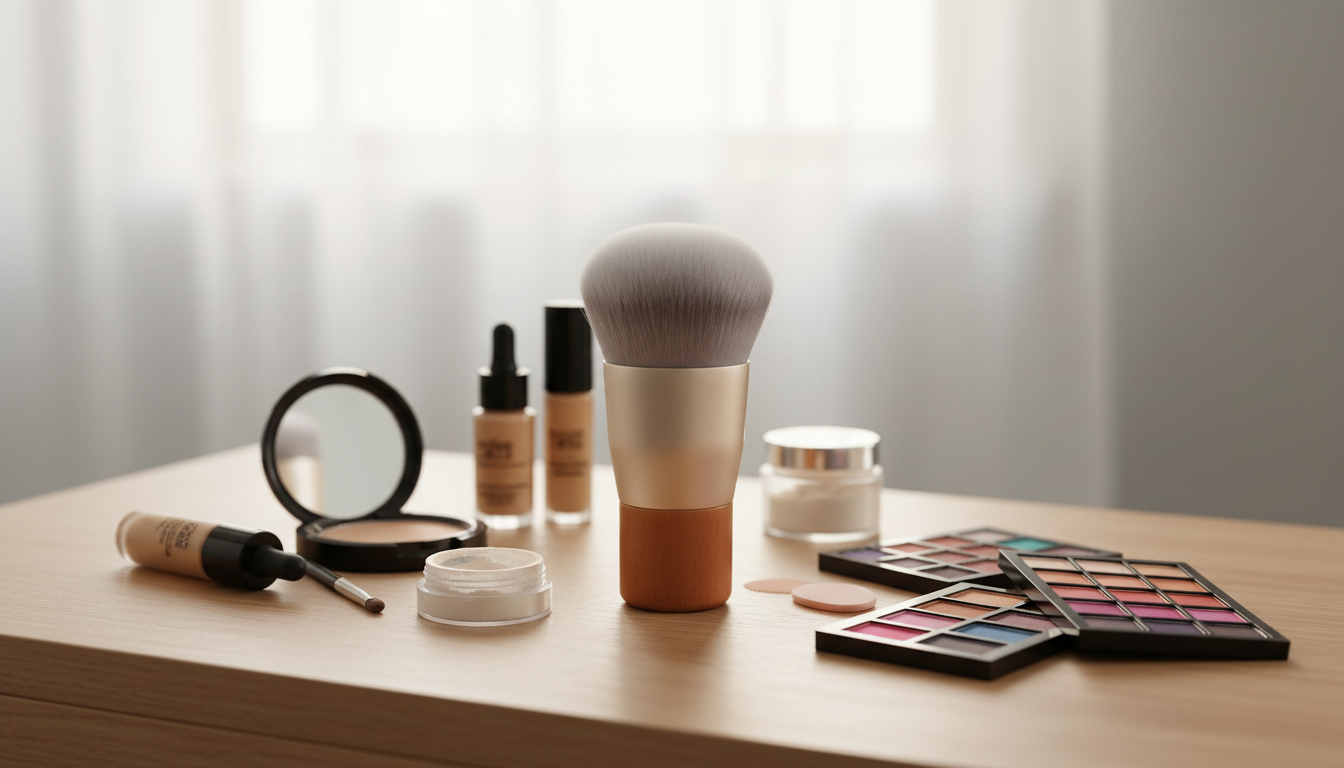
Which brand has the best loose powder?
The “best” loose powder brand depends on what you want it to do: blur pores, control shine, set makeup without flashback, or keep dry skin from looking cakey. In practice, brands that consistently rank well across skin types tend to offer multiple finishes (matte, natural, radiant), shade ranges (including translucent and tinted), and formulas tailored to specific concerns like oil control or under-eye brightening.
Top loose powder brands by goal
For a soft-focus, camera-ready finish: Look for finely milled powders that blur texture without feeling heavy. Brands known for pro-level performance often excel here, especially if you need a smooth look on the T-zone and around pores.
For oily or combo skin: The best brands usually offer oil-absorbing ingredients and long-wear claims without turning makeup dull or patchy. A good loose powder for shine control should keep the center of the face matte while still letting the perimeter look like skin.
For dry or mature skin: Brands with “luminous” or “hydrating” loose powders can set foundation while minimizing a tight, powdery look. A lighter hand and a fluffier brush help, but starting with a forgiving formula matters most.
For under-eyes: Many standout brands create ultra-fine brightening powders that reduce creasing and don’t emphasize lines. If you’ve struggled with cakiness, prioritize a micro-milled texture and avoid applying too much at once.
How to choose the right brand for you
Start with your finish preference (matte vs. natural), then match the formula to your skin type. If you wear flash photography, pick a powder labeled “no flashback” and avoid applying thick layers. Tinted options can add a bit of coverage, while translucent powders aim to set without changing your foundation shade.
For a deeper breakdown of standout options and what each does best, visit https://ulorin.com/which-brand-has-the-best-loose-powder/.
FAQ
What’s the difference between loose powder and pressed powder?
Loose powder is typically finer and better for setting makeup and blurring texture, while pressed powder is more convenient for touch-ups and tends to add a bit more coverage on the go.
Recommended for you


Was this article helpful?
Yes
No









Leave a comment