-
Shop
- Advanced Technologies
- AI Skills for Creators & Freelancers
- AI Client Management
- AI Ethics
- AI Mindset
- AI Tools & Prompts
- AI Writing & Content Creation
- Audio, Voice & Music
- Design & Visual Creation
- Email, Messaging & Communication
- Freelancing & Business
- Marketing, Ads & Conversion
- Productivity, Workflow & Automation
- SEO & Search Optimization
- Social Media Content & Growth
- Strategy, Planning & Analytics
- Video Creation & Editing
- AI Skills Mastery 2026 Collection
- Bathroom
- Best-Sellers
- Car Accessories
- Confidence
- Dating & Social Skills
- Digital Resources
- Easter Products
- Education & Learning
- Family & Parenting
- Fashion
- Fashion Accessories
- Furniture
- Gadgets
- Health & Beauty
- Health & Wellness
- Home & Garden
- Home Electronics
- Home Supplies
- Jewelry
- Kids & Babies
- Kitchen
- Lighting
- Patio, Lawn & Garden
- Personal Growth
- Pet Care
- Pet Supplies
- Pets
- Shoes
- Smart Home Living Guides
- Sport & Outdoors
- Stress Relief & Relaxation
- Super Deals
- TikTok Growth & Monetization Mastery
- Travel
- Travel & Adventure
- Wealth
- Wellness
Triple-Sided Soft Toothbrush: Ultra-Fine Gentle Clean
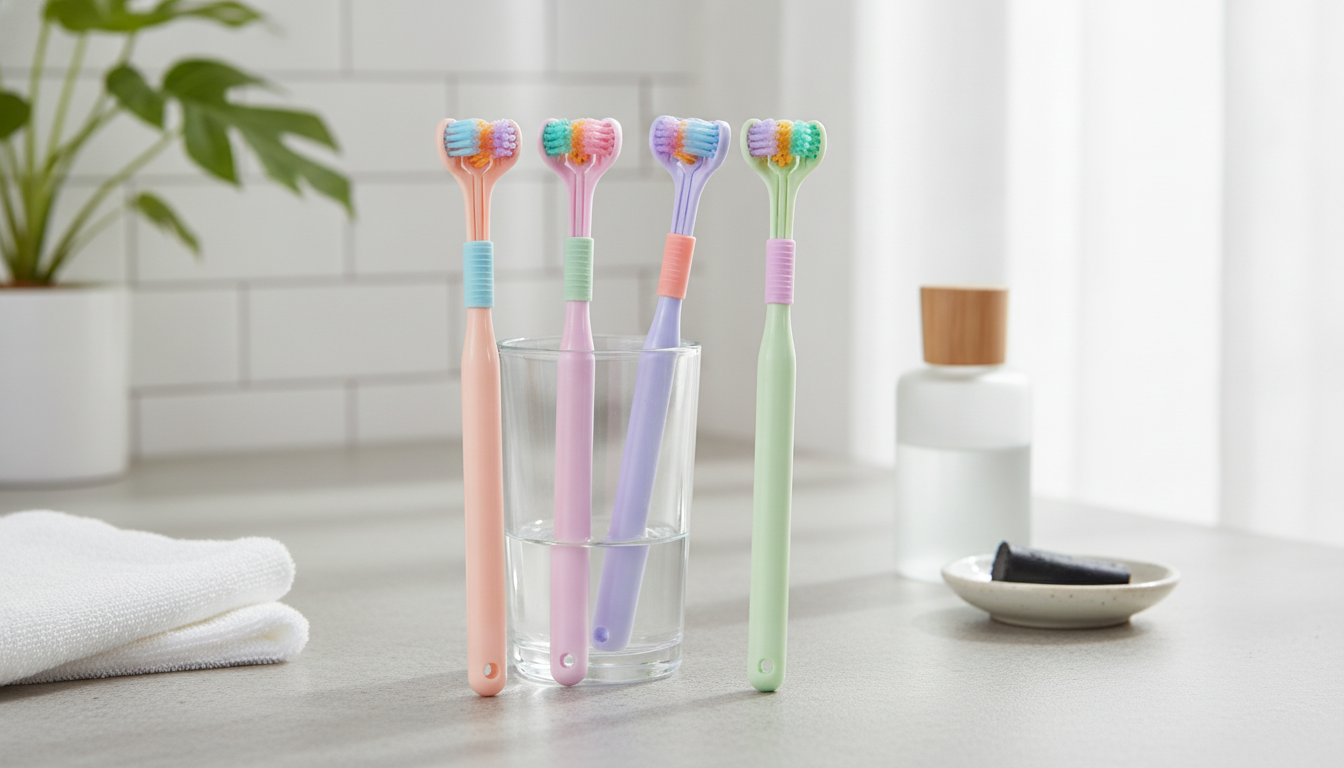
Triple-Sided Ultra-Fine Soft Bristle Toothbrush for Enhanced Oral Health
A triple-sided toothbrush is built to clean more than one surface of your teeth at the same time, which can help reduce missed spots while staying gentle on gums. When paired with ultra-fine soft bristles, the brushing experience often feels more comfortable for sensitive mouths—making it easier to brush for the full recommended time and maintain a steady routine that supports healthier teeth and gums over time.
What Makes a Triple-Sided Toothbrush Different
Traditional manual toothbrushes typically focus on one main surface at a time, which means you need to angle and reposition constantly to reach the outer, inner, and chewing surfaces. A triple-sided design changes that workflow.
- Three brush faces at once: The brush head is arranged to contact the outer, inner, and chewing surfaces with a single brushing motion.
- Simplifies positioning: It’s designed to reduce the need for precise angling—helpful for anyone who finds standard technique tricky.
- Quick, consistent coverage: Many people like it for streamlined routines, especially kids, seniors, and anyone with limited dexterity.
- Ultra-fine soft bristles: These focus on gentle plaque disruption near the gumline while aiming to minimize irritation.
Key Features to Look For (And Why They Matter)
Not all triple-sided brushes feel the same. Small design details can make a noticeable difference in comfort, reach, and day-to-day usability.
- Ultra-fine soft bristles: Help clean along the gumline with less abrasion, supporting comfort for sensitive gums.
- Dense bristle layout: More contact points per stroke can support more thorough plaque disruption across tooth surfaces.
- Head size and fit: A smaller head can access back molars more easily; a larger head may cover more area but can feel bulky in smaller mouths.
- Handle grip: A non-slip grip helps maintain control with wet hands—important for consistent, gentle pressure.
- Bristle quality and end-rounding: Smooth, rounded bristle tips typically feel gentler and may help reduce gum irritation.
- Hygiene and storage: Look for a quick-drying design, and store it upright to reduce moisture retention between uses.
For general brushing guidance, reputable health organizations like the American Dental Association (ADA) and the CDC’s oral health basics emphasize consistent brushing habits, gentle technique, and daily interdental cleaning.
How to Use a Triple-Sided Toothbrush for Better Results
The main advantage of a triple-sided brush is coverage, but results still depend on pressure, pacing, and reaching the back teeth.
- Use a pea-sized amount of fluoride toothpaste; position the brush so all three sides lightly cradle the tooth row.
- Use gentle pressure—let the bristles do the work. Excessive force can irritate gums even with soft bristles.
- Brush in small back-and-forth motions or short strokes while moving gradually along the arch; pause briefly at the gumline.
- Aim for about 2 minutes total, dividing time between upper and lower teeth. Don’t rush the back molars.
- For tight spaces, angle slightly and slow down; use floss or interdental brushes for areas bristles can’t effectively reach.
- Rinse thoroughly and allow to air-dry; replace when bristles splay or every 3 months (or after illness).
Who This Brush Can Help Most
A triple-sided ultra-fine soft bristle toothbrush can be especially helpful when comfort and simplicity are priorities.
- Sensitive gums or gum recession concerns: Ultra-fine soft bristles can feel less harsh than firmer brushes when used with light pressure.
- Kids learning to brush: The three-sided format can make it easier to cover more surfaces with fewer technique mistakes.
- Orthodontic wearers: It can help clean broad surfaces around brackets, but interdental cleaning remains important for best results.
- Seniors and caregivers: Faster coverage can make assisted brushing simpler and more consistent day-to-day.
- People with limited dexterity: Simplified motion and comfortable grips can reduce hand fatigue and help maintain routine.
Triple-Sided vs Standard Toothbrush: Quick Comparison
Both styles can be effective when used correctly. The practical difference is often how easy it feels to be consistent—especially when brushing time is short or technique is challenging.
| Feature | Triple-Sided Ultra-Fine Soft Bristle | Standard Manual Toothbrush |
|---|---|---|
| Coverage per stroke | Cleans multiple tooth surfaces simultaneously | Cleans one main surface at a time |
| Technique required | Simplified positioning for many users | Requires more angling and attention |
| Gum comfort | Often very gentle with ultra-fine soft bristles | Varies by bristle type; pressure matters |
| Speed and consistency | Can reduce missed areas for some routines | Can be thorough but depends more on user technique |
| Interdental needs | Still requires floss/interdental tools | Still requires floss/interdental tools |
Care, Replacement, and Hygiene Tips
- Replace your toothbrush every 3 months or sooner if bristles fray; worn bristles reduce cleaning effectiveness.
- Rinse after each use and store upright in open air; avoid closed containers that trap moisture.
- Do not share toothbrushes; label handles in shared bathrooms.
- If using mouthwash, don’t soak the brush head long-term; prolonged soaking can affect bristle integrity.
- For travel, use a vented cover and let the brush dry before packing when possible.
When to Ask a Dentist
Product Options
- Universal Car Steering Wheel Phone Mount for Safe Navigation
- Cat Adventure Tunnel Playful Hide & Seek Toy
FAQ
Is a triple-sided toothbrush safe for sensitive gums?
It’s typically a good match for sensitive gums when it uses ultra-fine soft bristles and you brush with light pressure. Avoid scrubbing; if bleeding or pain continues, get guidance from a dentist.
Does a triple-sided toothbrush replace flossing?
No. It can clean tooth surfaces well, but it doesn’t reliably clean between teeth where plaque often builds up, so daily flossing or interdental brushes are still recommended.
How often should the toothbrush be replaced?
Replace it about every 3 months, sooner if the bristles splay, or after illness. Frayed bristles don’t clean as effectively and can be harder on gums.
Recommended for you


Was this article helpful?
Yes
No









Leave a comment